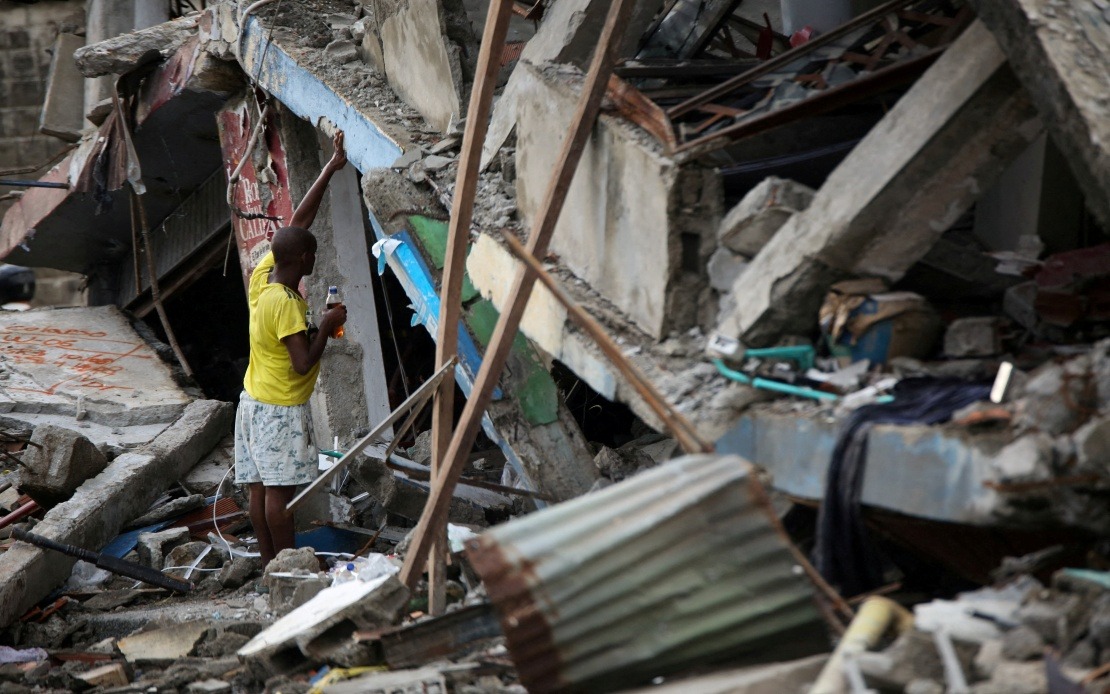
Colombia is grappling with an extraordinary convergence of natural disasters that has stretched emergency response capabilities to their breaking point. The nation's disaster management authorities are simultaneously tackling dozens of active wildfires that have engulfed vast swathes of territory while maintaining relief operations following the destructive 7.4 magnitude earthquake that struck on August 10. This dual catastrophe represents an unprecedented challenge for a country already reeling from earthquake damage, with fire-fighting and rescue teams now forced to divide resources between earthquake recovery and rapidly advancing blazes.
The wildfire situation has escalated dramatically in recent days, with 344 municipalities now classified under red alert status by authorities. According to data from the Institute of Hydrology, Meteorology and Environmental Studies (IDEAM), this represents a staggering 93 per cent single-day surge in threatened municipalities, driven by a combination of extreme heat and critically dry conditions that have transformed vast regions into tinderboxes. The geographical spread of the fires is particularly concerning, with the heaviest concentrations reported across the departments of Tolima, Cesar, Norte de Santander, Antioquia, Narino and Santander. This distribution indicates that the wildfires are not confined to a single region but rather represent a national emergency spanning multiple ecosystems and population centres.
The scale of devastation from the fires alone is staggering. Destroyed vegetation, agricultural land and residential structures have already exceeded 11,000 hectares across multiple municipalities, translating to approximately 27,182 acres of scorched landscape. These figures capture only the most immediate and measurable impacts, excluding the longer-term environmental consequences and the displacement of affected populations. The loss of agricultural land is particularly significant for rural communities whose livelihoods depend entirely on farming, and the destruction of homes represents both an immediate humanitarian crisis and a long-term reconstruction challenge.
Emergency response personnel have mobilized all available resources in an attempt to contain the advancing fires. Firefighting crews, military units, emergency personnel and aerial support have been deployed in a coordinated effort to combat the blazes across affected regions. However, authorities have acknowledged a critical shortfall in personnel, with fire-fighting crews from various departments—including Risaralda, which itself suffered damage from the August 10 earthquake—being dispatched to fire zones despite being understaffed. This personnel shortage reflects the broader strain on national emergency services that have already been stretched thin by earthquake recovery efforts, creating a situation where resources are insufficient to adequately address either crisis independently, let alone simultaneously.
The underlying meteorological conditions offer little optimism for near-term relief. IDEAM projections indicate a 90 per cent probability that the El Niño phenomenon will persist through early 2027, with the most intense heat anomalies expected to peak toward the end of the current year. This climatic forecast suggests that conditions favourable to wildfire development will likely persist for an extended period, implying that current firefighting efforts may represent merely the opening phase of a prolonged battle against natural flames. The El Niño pattern, characterized by warmer ocean temperatures in the equatorial Pacific, typically disrupts global weather systems and intensifies drought conditions across parts of South America, making Colombia particularly vulnerable.
The August 10 earthquake that precipitated this crisis continues to demand substantial emergency resources and attention. Official reports from the National Unit for Disaster Risk Management document a death toll of 288 people, with 4,018 injured across affected areas. The scale of property damage extends far beyond those killed or injured, with 12,504 homes completely destroyed and more than 80,000 additional structures damaged to varying degrees. These figures underscore the magnitude of the reconstruction challenge that authorities now face, with housing shortages and infrastructure damage compounding the effects of the wildfires.
The geographical and temporal convergence of these disasters creates compounding complications for emergency management. Communities already traumatized by earthquake damage now face the prospect of losing additional homes and livelihoods to advancing wildfires. In regions where earthquake-damaged buildings remain structurally unsound, the additional threat of fire adds another layer of danger. Furthermore, smoke from widespread fires compromises air quality across vast regions, creating respiratory hazards for populations that may already be dealing with injuries or stress-related illness from the earthquake.
Adding to the complexity of the situation is heightened volcanic activity at the Purace volcano in the southern department of Cauca. Authorities are monitoring the volcano's elevated activity level, which forces national risk management agencies to manage three major natural hazards simultaneously—earthquake recovery, widespread wildfires and potential volcanic activity. This triple threat scenario represents an extremely challenging operational environment for emergency coordinators, who must allocate finite resources across competing threats while maintaining adequate contingency reserves should the volcano pose an imminent danger.
The international dimensions of this crisis extend beyond Colombia's borders. Regional neighbors in the Andes and Central America often experience interconnected environmental and climate impacts, and large-scale wildfires in Colombia can contribute to regional atmospheric pollution and climate disruption. The El Niño forecast of persistence through early 2027 suggests that similar conditions may affect other nations in the region, potentially creating a broader Central and South American wildfire season that strains resources across multiple countries.
For emergency management professionals worldwide, the Colombian situation illustrates the cascading challenges that arise when multiple natural disasters occur in rapid succession within a single nation. The psychological toll on populations experiencing sequential major disasters, the strain on emergency response systems that lack surge capacity, and the competing demands for limited resources all represent lessons relevant to disaster preparedness planning in seismically and climatically vulnerable regions. Colombia's experience underscores the critical importance of pre-disaster investment in emergency response infrastructure and personnel training to enable nations to respond effectively to compound emergencies.

