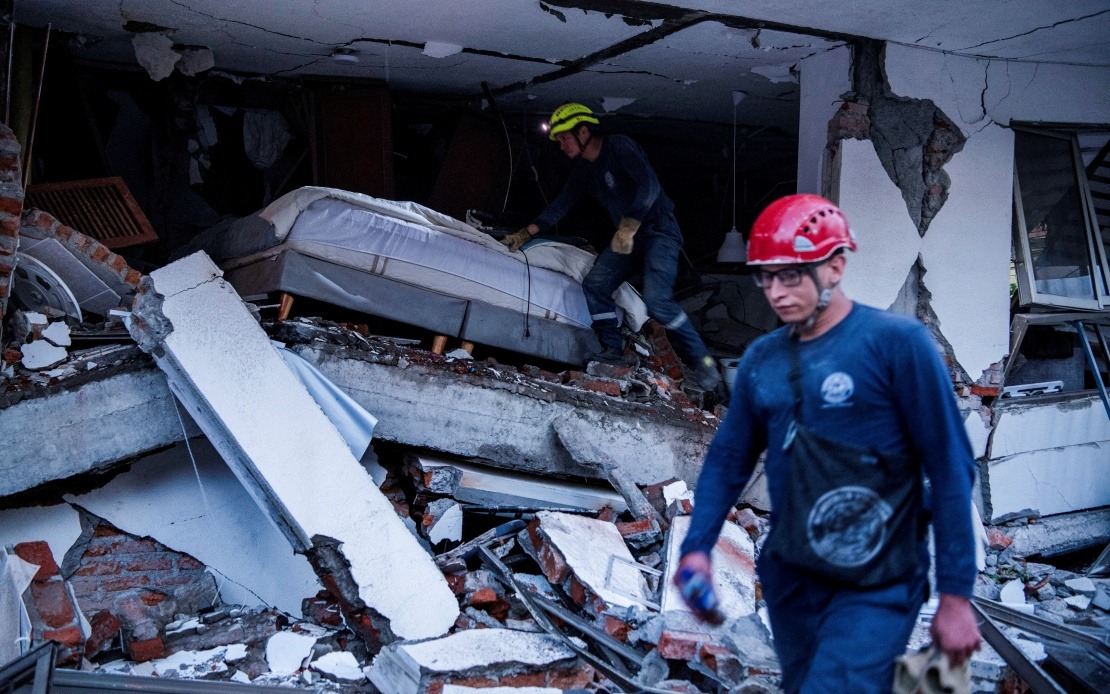
Western Colombia has been struck by a devastating earthquake that has claimed at least 132 lives and left more than 570 people injured, according to the latest government assessment. The magnitude 7.4 temblor struck on Monday morning, triggering an immediate crisis response from authorities and international organizations. The Colombian government moved swiftly to declare a state of national disaster, recognising the scale of the emergency facing the country and the urgent need for coordinated assistance across multiple sectors.
The geographical reach of the disaster is substantial, with preliminary reports indicating that 32 municipalities across the nation have experienced severe impacts from the quake. The situation is most critical in five departmental capitals, which have been placed under red alert status—the highest level of emergency designation. These cities are Pereira, Cali, Quibdo, Manizales and Armenia, each facing distinct challenges related to infrastructure damage, displaced populations, and ongoing rescue operations. The concentration of damage in these urban centres has stretched emergency services and complicated efforts to assess the full extent of casualties and displacement.
Pereira has borne the brunt of the disaster, accounting for 60 of the confirmed deaths, making it by far the hardest-hit city. Cali, Colombia's third-largest metropolitan area, has recorded 15 fatalities, while Quibdo in the Choco region reported eight deaths. Manizales, located in the coffee region, has confirmed four deaths. These figures, though significant in themselves, likely represent a snapshot of an evolving emergency, as rescue teams continue searching through rubble in affected areas. The pattern of casualties suggests that building standards and construction quality vary considerably across these regions, with some areas proving far more vulnerable to seismic forces than others.
Structural damage has been extensive and will require substantial reconstruction efforts. Authorities have documented the collapse of 86 buildings across the affected zones, a figure that underscores the violence of the earthquake and its destructive force. Beyond collapsed structures, thousands of buildings sustained varying degrees of damage, from minor cracks to severe compromises in structural integrity. This damage extends beyond residential areas; critical infrastructure has also suffered. Seven airports across the country suspended operations due to earthquake-related damage, disrupting both domestic and international travel and complicating the arrival of emergency personnel and humanitarian supplies.
The earthquake struck at 7:34 am local time, a moment when many people were already awake and at work, potentially limiting casualties that might have occurred if it had struck during nighttime hours when more people would have been indoors. The epicentre was located near San Jose del Palmar in the Choco department, and the quake originated at a depth of 96 kilometres beneath the surface. This relatively deep focus meant that energy dissipation reduced the intensity somewhat compared to what a shallower quake of the same magnitude would have produced. Nonetheless, the force was sufficient to cause widespread destruction and trigger aftershocks that have compounded fears among survivors.
President Abelardo de la Espriella's declaration of a state of national disaster was a critical step that empowers the government to mobilize resources rapidly, bypass certain bureaucratic procedures to expedite aid distribution, and requisition private sector resources if necessary. This designation signals to both domestic and international partners that Colombia faces a major emergency requiring coordinated support. The declaration facilitates the flow of financial resources from national reserves and opens pathways for international assistance from neighbouring countries and international organizations.
The international community has responded to the crisis. The Chinese Embassy in Colombia activated its emergency response protocols immediately upon learning of the earthquake and has been conducting systematic checks to verify the welfare of Chinese nationals throughout the country. As of the latest reports, no Chinese citizens have been confirmed dead or seriously injured, though the verification process remains ongoing given the scale of the disaster and the difficulty in confirming status in some areas where communication infrastructure may be compromised. This example of rapid international response reflects the importance of maintaining functioning diplomatic networks and emergency cooperation mechanisms during natural disasters.
For readers in Malaysia and the broader Southeast Asian region, Colombia's experience offers sobering reminders about earthquake preparedness and the importance of building codes. The Pacific Ring of Fire, which includes significant portions of Southeast Asia, poses similar seismic risks. The Colombian earthquake demonstrates how quickly a natural disaster can overwhelm domestic resources and create cascading crises affecting multiple sectors simultaneously—from health services strained by mass casualties to transportation networks disrupted by infrastructure damage. Malaysian authorities and the region's building regulatory agencies would be wise to study how Colombia's structures performed and whether lessons can be applied to improve resilience in earthquake-prone Southeast Asian regions.
The recovery from such a disaster is measured in years rather than weeks. Beyond the immediate humanitarian response phase, Colombia will face the long-term challenges of rebuilding destroyed housing, restoring livelihoods for those displaced, and addressing psychological trauma among survivors. Insurance coverage in the affected areas is likely incomplete, meaning many families will struggle to rebuild without government assistance or international aid. The economic impact extends beyond direct reconstruction costs; productivity losses, disrupted supply chains, and reduced tourism revenue will affect the regional and national economy for months or years to come.
Searching through collapsed buildings and assessing the full human toll will take time, and the death toll may yet rise as rescue teams reach previously inaccessible areas. The injured will require sustained medical care, with hospitals already overwhelmed by the influx of patients. Psychological support services will become increasingly important as the immediate crisis phase transitions to long-term recovery. International medical teams and humanitarian organizations have likely already begun coordinating with Colombian health authorities to provide additional capacity and expertise in disaster medicine.

