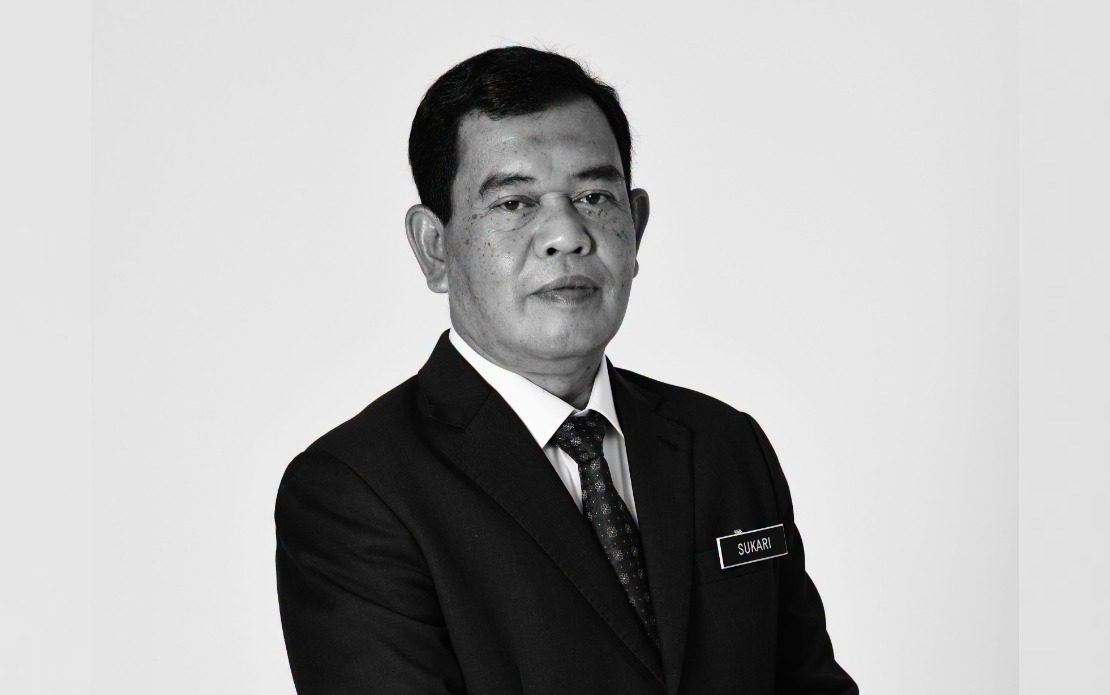
Communications Minister Datuk Seri Fahmi Fadzil has extended his condolences to the family of Datuk Mohd Sukari Ab Hamid, the former director-general of the Information Department, who passed away on August 3. The minister acknowledged the significant loss felt across the entire Communications Ministry and particularly within the Information Department, describing the impact as profound and deeply felt by those who worked alongside the late official.
In a Facebook post, Fahmi reflected on his relationship with Mohd Sukari, noting that the senior civil servant was among the first individuals he encountered after assuming leadership of the Communications Ministry. This early connection proved formative, as Mohd Sukari subsequently became one of his closest collaborators in executing the ministry's mandate and policy initiatives. The working relationship highlights the importance of institutional continuity and the role seasoned administrators play in guiding new leadership through the complexities of government operations.
Mohd Sukari, who was 65 at the time of his death, held the position of Information Department director-general for approximately three years and three months. He was formally appointed to the role on December 7, 2020, and served until his retirement on March 20, 2024. His tenure spanned a critical period in Malaysia's information management, encompassing the post-pandemic phase and a shifting media landscape in Southeast Asia where government communication strategies have become increasingly complex and multifaceted.
The late official's career in the civil service reflected the institutional expertise that characterizes Malaysia's federal bureaucracy. As director-general of the Information Department, he would have overseen critical functions including media relations, government communications strategy, and the dissemination of official information across multiple platforms. Such roles have grown in significance as Malaysian government agencies navigate digital transformation and adapt to evolving public communication expectations in the region.
Fahmi's tribute underscores the professional bonds that develop within Malaysia's administrative hierarchy. The minister's emphasis on Mohd Sukari's collaborative approach and accessibility suggests a working style focused on institutional effectiveness rather than administrative hierarchy. For those working within government structures, such relationships prove instrumental in translating policy directives into coherent action across departments and agencies.
The funeral arrangements proceeded according to Islamic custom, with Mohd Sukari laid to rest following Asar prayers at Sakinah Cemetery in Kampung Melayu, Kepong. The location reflects his ties to the Kuala Lumpur administrative district where the Information Department maintains significant operations. Burial on the same day of passing is customary in Malaysia's Muslim communities and represents a longstanding practice that continues to shape the rhythm of official and personal life in the country.
In his condolence message, Fahmi invoked Islamic prayers for the deceased, requesting forgiveness of sins, divine mercy upon the soul, and righteous standing in the afterlife. Such expressions are standard in Malaysia's official discourse and reflect the integration of religious values within the civil service culture. They also serve as recognition that retirement from government service does not erase the institutional memory and professional legacy accumulated over decades in public administration.
The passing of senior civil servants like Mohd Sukari raises questions about institutional knowledge and succession planning within Malaysian government agencies. Information department functions have become increasingly critical as governments across Southeast Asia expand their digital footprint and manage communication in an era of rapid information circulation. The retirement of experienced administrators creates both a loss of accumulated expertise and an opportunity for fresh approaches to longstanding challenges.
Mohd Sukari's career trajectory reflects the pathway of many Malaysian civil servants who reach senior leadership positions through sustained commitment to public service. His nearly four-year tenure as Information Department director-general placed him at an intersection of government policy, media relations, and public communication at a time when these functions were undergoing significant evolution. His contributions to these areas, though largely conducted outside public view, shaped how the federal government communicated with Malaysian citizens and international observers.
The tribute from the Communications Ministry demonstrates how institutional relationships transcend retirement and tenure limits. Fahmi's acknowledgment of Mohd Sukari's contributions signals respect for the civil service tradition and recognition that effective governance depends on collaboration between political appointees and career administrators. This dynamic remains central to Malaysia's administrative system, where the interface between elected officials and professional bureaucrats determines policy implementation and government effectiveness.
For the Malaysian civil service, Mohd Sukari's passing marks the conclusion of one chapter in the Information Department's ongoing evolution. His retirement in early 2024 already signaled a generational transition within senior government ranks. The death of retired officials often prompts reflection within their former ministries and peer networks about legacy, institutional memory, and the challenges facing the next generation of administrators tasked with managing Malaysia's complex information ecosystem in an increasingly digital region.

