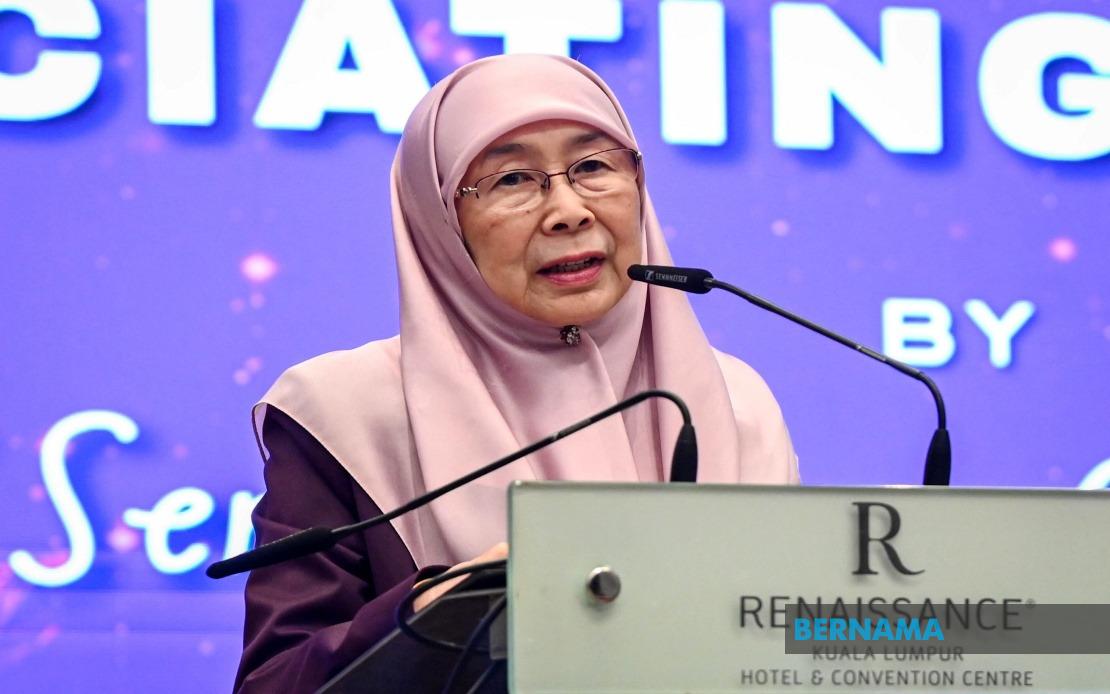
Datuk Seri Dr Wan Azizah Wan Ismail has stressed that maternal healthcare delivery must place patients and their families at the centre of all decisions, with technological advances and medical breakthroughs tempered by a steadfast commitment to human compassion and dignity. Speaking at the launch of the 16th Malaysian Obstetric Anaesthesiology Symposium (MyOASym) 2026 in Kuala Lumpur, the Prime Minister's wife articulated a vision for healthcare that transcends the traditional metrics of clinical success, arguing instead that true excellence encompasses the emotional and psychological wellbeing of expectant mothers throughout their journey into parenthood.
The distinction Wan Azizah drew between innovation alone and innovation coupled with compassion reflects a growing recognition within Malaysia's healthcare sector that maternal outcomes depend on far more than medical protocols and technological capability. She framed the provision of support, respect and dignity as equally vital components of quality care, positioning the emotional experience of mothers and their families as integral to healthcare delivery rather than peripheral considerations. This perspective aligns with evolving global standards in obstetric care, which increasingly recognise that patient satisfaction, psychological trauma prevention and family-centred practices contribute meaningfully to overall health outcomes and long-term wellbeing.
Wan Azizah acknowledged the mounting complexity facing modern obstetric teams, identifying specific clinical challenges that demand heightened preparedness and expertise. Cases involving mothers of advanced age, those managing obesity, patients with intricate cardiac conditions and situations involving obstetric haemorrhage have become more prevalent in Malaysian hospitals, presenting anaesthesiologists, obstetricians and neonatologists with multifaceted technical and ethical challenges. The convergence of these conditions within individual pregnancies requires healthcare professionals to navigate complex medical landscapes while maintaining the compassionate approach that Wan Azizah advocates, creating a dual imperative that demands both technical excellence and emotional intelligence.
In response to these mounting complexities, the Prime Minister's wife advocated for systematic implementation of regular multidisciplinary simulation training programmes bringing together the various specialists involved in high-risk obstetric cases. Such collaborative training exercises, she argued, strengthen team cohesion and build institutional muscle memory for managing critical situations, transforming potential crises into survival narratives. Her emphasis on breaking down professional silos speaks to a persistent challenge in healthcare systems worldwide, including Malaysia, where specialists sometimes operate within narrow domains without sufficient integration with colleagues from complementary disciplines. Simulation training conducted across disciplinary boundaries facilitates the kind of seamless communication and coordinated decision-making that becomes critical when mothers or newborns face life-threatening complications.
Wan Azizah further advocated for the institutionalisation of early warning systems within maternity units, combined with deliberate cultivation of workplace cultures that prioritise transparent communication among team members. Early warning systems, drawn from international best practice, enable healthcare teams to identify deteriorating conditions before they become emergencies, while open communication channels ensure that clinical concerns raised by junior staff receive appropriate attention regardless of hierarchy. Together, these measures create institutional safeguards that significantly reduce maternal and neonatal mortality and morbidity, whilst simultaneously demonstrating the organisation's commitment to putting patient safety before institutional convenience or professional pride.
Addressing the next generation of healthcare professionals, the Bandar Tun Razak Member of Parliament encouraged young doctors and specialists to cultivate intellectual curiosity and embrace continuous learning as professional imperatives rather than optional pursuits. She advocated for active engagement with mentorship relationships, where more senior colleagues provide guidance and institutional knowledge to developing professionals navigating the complexities of obstetric practice. Equally important, she suggested, was the willingness to acknowledge knowledge gaps, ask questions without fear of appearing inadequate, and translate clinical experience into deeper understanding through reflective practice. These attributes, she implied, matter as much as technical proficiency in determining whether healthcare professionals ultimately deliver the kind of comprehensive, dignified care that serves mothers and families well.
The development of empathy alongside clinical and technical skills represented another crucial element of Wan Azizah's message to emerging healthcare professionals. Empathy enables doctors and anaesthesiologists to recognise the profound emotional and psychological dimensions of pregnancy and childbirth, allowing them to provide not just technically correct care but care delivered in ways that respect maternal autonomy, acknowledge vulnerability and provide reassurance during moments of genuine fear. This emotional competence, developed through deliberate practice and self-reflection rather than acquired through formal training programmes alone, distinguishes adequate healthcare provision from excellence in the eyes of patients and families who remember their birth experiences for decades.
The international composition of the symposium, which drew healthcare professionals from Singapore, Hong Kong and Pakistan alongside Malaysian participants, reflects the regional significance of maternal healthcare excellence as a shared challenge and policy priority. Cross-border participation in specialist forums enables knowledge exchange regarding local innovations, emerging complications and best-practice responses to regional health threats, whilst creating professional networks that facilitate ongoing collaboration. For Malaysia specifically, such symposia reinforce the nation's position within regional healthcare leadership, demonstrating expertise that attracts international engagement and establishes platforms for Malaysian professionals to influence regional standards and practices.
The timing and framing of Wan Azizah's remarks occur within a broader global context where maternal mortality remains an unacceptable public health challenge, with developing nations bearing disproportionate burden. Malaysia's relatively strong performance on maternal health indicators compared to many regional neighbours reflects decades of investment in training, infrastructure and institutional systems, yet pockets of inadequacy persist, particularly in rural areas and among vulnerable populations. Wan Azizah's emphasis on compassion-guided innovation thus implicitly acknowledges that further progress requires not just additional resources or more advanced technology, but fundamental commitments to ethical practice and patient-centred values that permeate institutional cultures from the national level downward to individual delivery suites.
The challenge articulated by Wan Azizah resonates particularly for Malaysia's healthcare system, which must simultaneously pursue technological advancement and international competitiveness whilst ensuring equitable access and compassionate care throughout the diverse socioeconomic landscape of the nation. The maternal healthcare professionals gathered at MyOASym 2026 occupy positions of significant responsibility and influence, shaping not only individual patient outcomes but collectively establishing the standards, practices and cultural values that will define Malaysian obstetric care for coming generations. Success in this endeavour requires the kind of holistic vision that Wan Azizah articulated—one that recognises innovation as a tool serving human flourishing rather than as an end in itself, and that measures healthcare excellence by the dignity and wellbeing experienced by mothers and families rather than by metrics alone.

