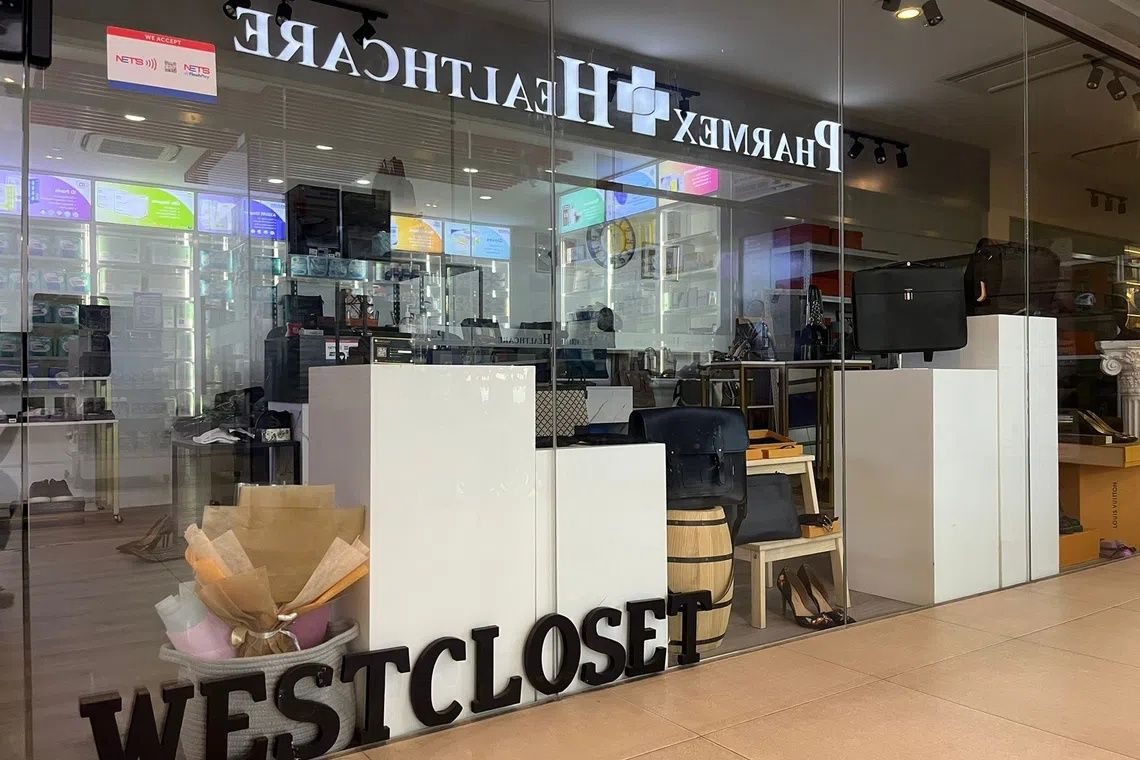
An Indonesian consignment store operator in Singapore's central business district has been handed an eight-month jail sentence for systematically misappropriating nearly S$140,000 from five clients. Ringga Dwi Rizky Irianto, 36, who owned and operated West Closet at the OUE Downtown Gallery shopping mall on Shenton Way, pleaded guilty to three counts of criminal breach of trust involving amounts totalling S$108,000. Two additional charges relating to the remaining victims were taken into consideration during sentencing handed down on 13 August. The case highlights vulnerabilities in Singapore's consignment retail sector, where trust-based transactions can leave customers exposed to fraud.
The business model that West Closet employed appeared straightforward and legitimate on its surface. The store advertised its services across Carousell and Instagram, positioning itself as a convenient platform for individuals seeking to sell luxury handbags without the hassle of direct marketing. Customers would deposit their bags at the Shenton Way location and agree to a 60-day holding period, with violators facing a S$60 penalty fee. The store would then facilitate the sale and claim a commission ranging from S$200 to S$900 depending on the transaction value. This arrangement allowed owners to monetise their luxury collections whilst the store benefited from a percentage of proceeds. For high-value designer items, particularly Hermes and Chanel bags, such platforms offer significant convenience compared to traditional resale channels.
Ringga's fraudulent scheme involved a calculated betrayal of customer confidence built through explicit written guarantees. When one victim consigned three bags—two Hermes and one Chanel—in July 2022, they received a formal assurance that upon sale, the full amount of S$51,000 would be credited to their bank account within seven days. The store duly sold all three items and collected approximately S$51,000 in proceeds. However, instead of honouring the commitment, Ringga diverted the entire sum to settle another customer's order, effectively using one victim's money to cover obligations to different clients. This pattern of redirecting funds rather than returning them suggests a cash flow crisis or deliberate scheme to continue operating despite insufficient liquidity.
The fraud extended across multiple victims in remarkably similar circumstances. A second customer who placed a single Hermes bag for consignment saw S$33,500 misappropriated through identical tactics. A third victim experienced the same fate with S$23,500 from their Hermes consignment never reaching their account. Across all identified cases, victims lost trust-based assets—designer handbags representing significant personal investment—only to find that sale proceeds vanished entirely. The cumulative pattern demonstrates this was not an isolated mistake but rather a systematic approach to managing the store's finances at the direct expense of its customers. Deputy Public Prosecutor Darren Sim outlined how Ringga weaponised the store's operational structure, exploiting the time lag between consignment, sale, and expected payment to obscure the theft.
The timeline of discovery and prosecution reveals how retail fraud can evade detection for extended periods. Ringga's criminal activities occurred throughout 2022, yet she was not arrested until September that year, several months after the initial victim complaints. The actual charging did not occur until 2024, creating a nearly two-year gap between arrest and formal prosecution. This delay, whilst common in complex financial fraud cases requiring detailed forensic accounting, also illustrates how victims must endure prolonged uncertainty about recovery and justice. The extended timeline underscores the challenges facing law enforcement in pursuing white-collar crimes within specialist retail sectors where transaction documentation and digital records require careful analysis.
Partial restitution has been achieved, though significant amounts remain outstanding. Ringga has already paid S$41,000 toward victim compensation, representing approximately 29 per cent of the total loss. However, she was ordered to pay an additional S$91,950 in court-mandated compensation distributed through an investigation officer handling the case. Should she fail to meet this obligation within a specified timeframe, she will serve an additional 24 days of imprisonment. This conditional sentencing approach, combining incarceration with financial penalties, reflects Singapore's sentencing philosophy of balancing punishment with victim restitution. Nevertheless, victims face uncertainty about whether full recovery will materialise, particularly given that Ringga must generate S$91,950 whilst managing both her primary jail term and subsequent supervised release conditions.
The sentencing parameters available to the court in such cases provide substantial deterrent scope. Under Singapore law, each count of criminal breach of trust carries a maximum penalty of seven years' imprisonment, a fine, or both. Ringga's eight-month sentence, whilst less than the statutory maximum, reflects the seriousness of the offence whilst potentially acknowledging factors such as her guilty plea, cooperation with authorities, and demonstrated ability to make partial restitution. However, the relatively modest custodial term relative to the maximum available may raise questions about whether penalties adequately deter similar offences in the consignment retail sector, where repeat offenders operating through different business entities could theoretically replicate this scheme elsewhere.
Regional implications for consumer protection in luxury consignment markets deserve consideration. Southeast Asia has witnessed explosive growth in luxury goods resale platforms, driven by affluent middle-class consumers seeking to monetise designer collections and younger buyers accessing premium brands affordably. Malaysia, with its expanding high-net-worth demographic particularly in Kuala Lumpur and Klang Valley, represents a growth market for such services. Singapore's case demonstrates that formal business registration and physical retail locations provide no guarantee against fraud. The consignment model inherently creates temporal and informational asymmetries favourable to dishonest operators who can exploit customer trust during the sales period. Other regional markets developing consignment infrastructure must consider implementing more robust customer protections, including escrow arrangements, third-party verification of sales, and regular settlement schedules that prevent operators from accumulating customer funds.
Ringga is scheduled to commence her jail sentence in October, having posted bail of S$15,000 on 13 August. Her case will likely generate increased scrutiny of consignment business practices across Singapore's retail sector, potentially prompting regulatory review or industry self-regulation initiatives. For West Closet customers and the broader community engaging with consignment platforms, this case reinforces fundamental risk considerations when entrusting valuable personal assets to third parties. The court's treatment of this matter signals that theft through breach of trust—rather than external burglary or conventional larceny—will be prosecuted vigorously, offering some reassurance that the legal system takes seriously crimes committed within commercial relationships. Nevertheless, the gap between losses incurred and penalties imposed serves as a sobering reminder that criminal justice outcomes, however favourable to victims, rarely restore the full emotional and financial burden inflicted by deliberate fraud.

