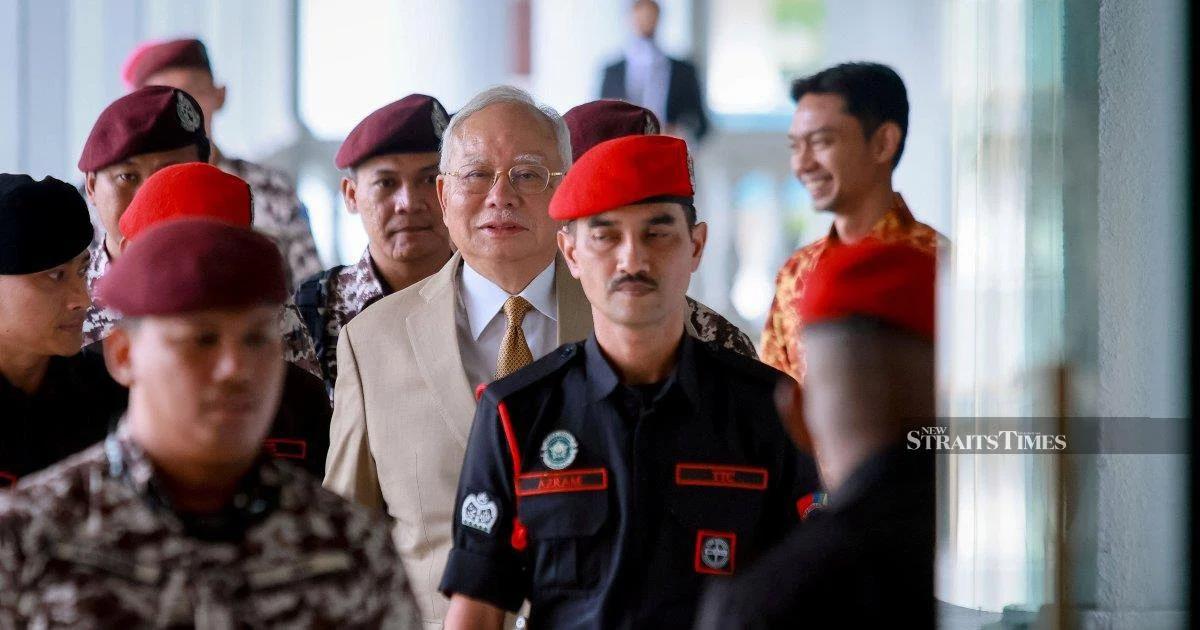
A Malaysian judge has determined that Datuk Seri Najib Razak displayed unreasonable conduct by failing to take any meaningful action or inquiry regarding the transfer of billions of ringgit linked to 1Malaysia Development Bhd (1MDB) funds into his personal bank accounts. The court's assessment adds further pressure on the former Prime Minister, whose administration oversaw the controversial sovereign wealth fund before its near-total collapse exposed one of the world's most significant financial scandals.
The judicial finding represents a significant moment in the ongoing legal proceedings surrounding 1MDB, which has consumed Malaysian politics and law enforcement efforts for years. The judge's determination that such substantial sums—described colourfully as anything but "chicken feed"—warranted at least some acknowledgment or investigation from Najib himself suggests a threshold of reasonable conduct was breached. This raises uncomfortable questions about what a person in his position ought to have known or pursued when extraordinary amounts began appearing in accounts bearing his name.
The 1MDB saga has fundamentally altered Malaysia's political landscape since details of its collapse emerged around 2015. Originally conceived as a development fund intended to boost the nation's economy and global standing, the entity instead became a vehicle through which an estimated US$4.5 billion disappeared through allegedly fraudulent schemes. International investigations in the United States, Singapore, and Switzerland have implicated numerous individuals and uncovered a web of shell companies, forged documents, and complex financial manoeuvres designed to obscure the true origins and destinations of the stolen funds.
Najib's position during this period was particularly sensitive. As Prime Minister from 2009 to 2017, he held ultimate authority over 1MDB and its operations. His stepson, Riza Aziz, sat on the fund's investment committee, creating potential conflicts of interest that watchdogs flagged repeatedly. When billions flowed into accounts associated with Najib, the expectation that a Prime Minister would seek clarification or demand explanation seems reasonable to the court. His apparent passivity on the matter now forms part of the broader tapestry of culpability being examined in trials across multiple jurisdictions.
The quantum of funds involved cannot be understated. The transfers under judicial scrutiny represent not minor financial movements but substantial sums that would trigger normal banking procedures and reasonable due diligence in any household or business context. That these deposits occurred without, according to the court's assessment, any documented inquiry or objection from their recipient suggests either extraordinary negligence or deliberate ignorance—neither position flatters Najib's account of events. Malaysian readers familiar with financial regulations understand that receiving unexplained deposits of such magnitude would ordinarily prompt immediate investigation by any prudent account holder.
The court's language—rejecting the notion that these transfers constituted minor transactions—carries specific weight in legal proceedings. By emphasizing the substantial nature of the sums involved, the judge establishes that Najib cannot credibly claim ignorance based on the amounts being too insignificant to warrant notice. This threshold determination becomes crucial in any broader assessment of criminal intent or knowledge, as it establishes that these were transactions impossible to overlook or dismiss as routine banking matters.
For Malaysia's accountability mechanisms, the judgment reinforces the importance of civil and criminal proceedings already underway. The nation has been gradually rebuilding public institutions and anti-corruption capacity following the political upheaval of 2018, when Najib's government lost power after a general election that turned substantially on public anger over 1MDB. The court's current findings validate the efforts of investigators and prosecutors who have painstakingly reconstructed financial flows and documented suspicious activities across multiple countries and financial systems.
The regional implications also merit consideration. Neighbouring countries including Singapore, Indonesia, and Thailand have grappled with their own massive corruption cases, making Malaysia's pursuit of accountability significant for the broader Southeast Asian project of strengthening governance standards. When major politicians face consequences through functioning legal systems, it sends messages throughout the region about expectations for public officials. The 1MDB case has already prompted regulatory reforms in Malaysia and influenced financial oversight practices across Southeast Asia.
Looking forward, this judicial determination will likely influence ongoing trials and civil proceedings. Multiple cases involving Najib remain active in Malaysian courts, with questions of knowledge, intent, and responsibility still being litigated. The judge's finding that his conduct was unreasonable provides evidentiary support for arguments that he either knew about the transfers' origins or acted with reckless disregard for basic fiduciary duties owed to the nation. These matters continue developing as new evidence emerges and proceedings advance through appellate levels.
The broader political context matters too. Malaysia's political landscape has remained turbulent since 2018, with coalition governments struggling to maintain stability. The 1MDB matter remains radioactive, affecting calculations around coalition-building and ministerial appointments. Najib's legal battles continue to shape which politicians maintain distance from him and which attempt rehabilitation of his reputation, making court decisions in his cases part of the ongoing narrative of Malaysian politics. This latest judgment ensures the scandal remains in public consciousness and constrains political rehabilitation efforts.
Ultimately, the court's assessment that Najib's passivity regarding billion-ringgit transfers was unreasonable establishes an important principle: those in positions of supreme authority cannot plausibly claim that they were unaware of or indifferent to extraordinary financial movements connected to their names and official capacities. Whether this determination translates into criminal convictions or other consequences remains to be determined, but it reinforces the accountability process that Malaysia has committed itself to following.