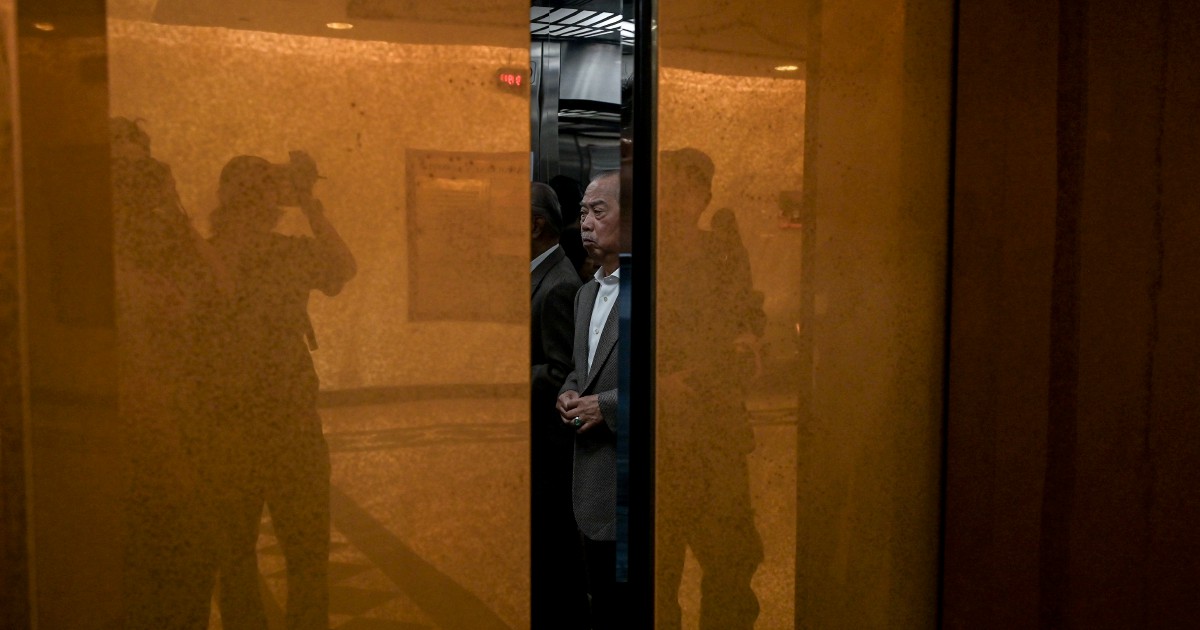
The High Court in Kuala Lumpur received testimony today that Nepturis Sdn Bhd, a private company, had prepared and issued a cheque valued at RM1 million made payable to Bersatu, the political party formerly led by Muhyiddin Yassin. This evidence emerged during the continuing legal proceedings against the prominent political figure, adding another layer to the complex financial allegations that have become central to the case.
The witness providing this account offered specific details about the transaction, establishing a direct financial link between the company and the opposition party. Such testimony forms part of the prosecution's broader narrative concerning the origins and flow of funds connected to Bersatu's operations and finances during the relevant period under investigation. The production of documentary evidence supporting the cheque issuance carries significant weight in establishing the factual foundation of the allegations.
This development reflects the intricate financial relationships that often exist between private business entities and political organisations in Malaysia's complex political landscape. The movement of such substantial sums between companies and political parties frequently triggers scrutiny from anti-corruption authorities, particularly when the transactions lack clear justification or transparency. The RM1 million sum represents a considerable political donation that warrants detailed examination of its source, purpose, and ultimate use.
Muhyiddin Yassin's trial has attracted considerable public attention given his prominent position in Malaysian politics. He served as Prime Minister from 2020 to 2021 and has maintained an influential role within Bersatu despite stepping down from certain leadership positions. The various charges he faces encompass allegations of financial impropriety, and the trial has progressively unveiled details about his party's financial arrangements and benefactors. The proceedings have already heard testimony from multiple witnesses regarding transactions and payments made during and after his tenure as premier.
Bersatu itself has been subject to intense scrutiny over its funding sources and financial management practices. The party, which formed a critical component of the governing Perikatan Nasional coalition following the 2022 elections, has faced questions about the transparency and legitimacy of donations received from corporate entities. The identification of specific companies like Nepturis as sources of political funding serves to illuminate the networks of financial support surrounding Malaysia's political parties. Such revelations underscore the ongoing debate within civil society about campaign finance reform and the need for greater regulatory oversight of political donations.
The High Court proceedings have steadily built a documentary trail of financial transactions that prosecutors argue demonstrate improper relationships between Muhyiddin, his political party, and various business interests. Each piece of evidence introduced—whether correspondence, financial records, or witness testimony—contributes to the cumulative case being presented to the court. The judge will ultimately assess the credibility and relevance of all such evidence in determining whether the allegations meet the legal threshold required for conviction.
For Malaysian observers following the case, the ongoing revelations continue to test public confidence in the country's political institutions and accountability mechanisms. The trial serves as a high-profile example of Malaysia's judicial system addressing allegations against senior political figures, demonstrating both the capacity and limitations of the legal framework in investigating and prosecuting such matters. The outcomes of similar cases often influence public perception of whether political accountability functions effectively regardless of a defendant's former status or connections.
The specific mechanism through which Nepturis came to issue this cheque—whether as a result of contractual obligations, political contributions, business arrangements, or other arrangements—remains a subject for further examination in the trial. The prosecution will likely seek to establish the context surrounding the transaction, including details about Nepturis's ownership structure, business activities, and relationship with Muhyiddin or associated parties. Defence arguments may seek to characterise the payment as ordinary business dealings rather than improper conduct.
The emergence of corporate funding trails connecting companies to political parties has become an increasingly visible feature of high-profile political trials in Southeast Asia. Malaysia's experience parallels patterns observed in neighbouring jurisdictions where investigations into corruption and misconduct frequently intersect with questions about the proper regulation of political finance. International observers monitoring governance developments in the region closely follow how Malaysian courts handle such cases, as they indicate the strength of institutional mechanisms for political accountability.
As testimony continues and further witnesses appear before the court, the full picture of financial transactions involving Muhyiddin and Bersatu will become progressively clearer. The RM1 million cheque from Nepturis represents one element in what appears to be a complex web of financial relationships that prosecutors are attempting to unravel and present to the court. The trial's progression will continue to determine whether specific transactions constitute legitimate political activity or constitute criminal conduct under Malaysian law.
The implications of this trial extend beyond the individual defendant to encompass broader questions about political financing in Malaysia. As citizens observe the legal process unfold, they gain insight into how their own political system regulates campaign contributions and enforces accountability. The case underscores persistent calls from civil society organisations and governance advocates for comprehensive political finance legislation that would establish transparent and uniform standards for all registered political parties operating within the country.

