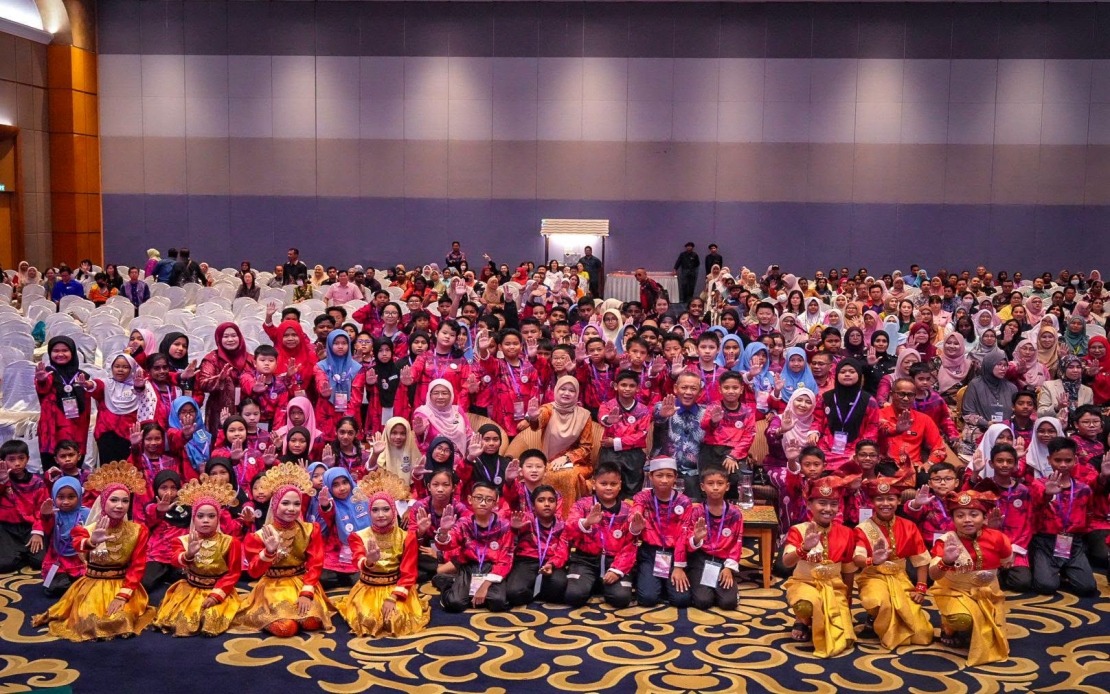
The growing complexity surrounding school safety in Malaysia demands more than isolated policy measures—it requires a coordinated strategy underpinned by genuine commitment from every segment of the education system, according to Education Minister Fadhlina Sidek. Speaking at an advocacy programme in Kuala Lumpur, Fadhlina underscored that creating a secure school environment represents a fundamental priority that transcends departmental boundaries and demands sustained attention from administrators, educators, parents, and policymakers alike.
Fadhlina's remarks come at a time when Malaysian schools face mounting pressures to address both traditional security concerns and emerging issues affecting student wellbeing. The minister emphasised that rebuilding and maintaining public confidence in school safety forms the cornerstone of an effective education system. When parents and guardians feel assured that their children are adequately protected during school hours, it removes a significant source of anxiety and allows families to focus on supporting learning outcomes. This confidence-building exercise, she stressed, must be evidenced through tangible measures and consistent enforcement rather than mere rhetoric.
The Education Ministry has established clear directives requiring all educational institutions operating under its purview to adhere rigorously to safety guidelines and child protection protocols. Fadhlina made plain that compliance with these frameworks cannot be selective or inconsistent—they must be universally applied across schools regardless of their location, size, or administrative structure. The minister drew a firm line on this issue, declaring unequivocally that no compromise whatsoever exists when it comes to safeguarding the physical integrity or emotional security of any child within the school system.
Beyond the conventional understanding of school safety as physical security and accident prevention, Fadhlina identified mental health support as an equally critical dimension deserving heightened attention. Students facing psychological distress, anxiety, depression, or other mental health challenges are inherently more vulnerable to various forms of harm. The integration of mental health services, counselling support, and psychological awareness programmes into the school ecosystem represents a preventative approach that addresses root causes rather than merely responding to crises. This holistic perspective recognises that a truly safe school is one where students feel emotionally supported and psychologically secure.
The Mutiara Diri Programme, which served as the platform for Fadhlina's remarks and was attended by Negeri Sembilan Menteri Besar Datuk Seri Aminuddin Harun, represents more than a routine awareness initiative. Instead, the minister characterised it as a substantive advocacy effort specifically designed to engage stakeholders in confronting the multifaceted challenges threatening student safety. The presence of both national and state-level leadership underscores the recognition that school safety demands coordination across different levels of government and administration. Such programmes create spaces for meaningful dialogue between policymakers, school leaders, educators, parents, and community representatives, fostering the collaborative mindset essential for systemic change.
Fadhlina's appeal to parents and educators present at the event stressed the necessity for enhanced synergy across all parties invested in student wellbeing. This language of collective responsibility frames school safety not as the exclusive domain of administrators or security personnel, but as a shared obligation. Parents contribute by reinforcing values of respect and safety at home, maintaining open communication with schools, and remaining alert to concerning behaviours or changes in their children. Educators play a frontline role by fostering safe learning environments, monitoring student interactions, and serving as trusted adults to whom young people can report concerns. School leadership and administrative staff must ensure policies are properly resourced and implemented consistently.
Central to Fadhlina's message is the assertion that children possess an inalienable right to inhabit educational spaces characterised by safety, dignity, and prosperity. This formulation goes beyond mere freedom from physical harm to encompass the broader conditions necessary for healthy development. Students deserve environments where they feel respected as individuals, where their voices are heard and taken seriously, and where they can pursue learning without fear or coercion. The dignity component acknowledges that safety encompasses protection from bullying, harassment, discrimination, and other forms of psychological violation that may not leave physical marks but cause lasting damage.
The Malaysian context presents particular considerations for school safety efforts. As an increasingly diverse and urbanised society, schools serve student populations with varied backgrounds, socioeconomic circumstances, and family structures. Rural and urban institutions face distinct challenges, whether related to infrastructure limitations, resource constraints, or differing threat profiles. The Education Ministry's guidelines must therefore possess sufficient flexibility to accommodate these variations while maintaining consistent core protections. Implementation success depends substantially on the capacity and commitment of individual schools and their leadership to adapt national frameworks to local realities.
The minister's emphasis on strategic approaches suggests recognition that ad-hoc responses and piecemeal interventions have proven insufficient. Effective school safety requires coordinated systems addressing prevention, early intervention, and crisis response. Prevention involves creating cultures of safety through education, clear communication of expectations, and environmental design that reduces opportunities for harm. Early intervention mechanisms enable swift identification and support for students displaying warning signs or experiencing difficulties. Comprehensive crisis response protocols ensure schools can react effectively when incidents occur, minimising trauma and supporting affected individuals.
Moving forward, Fadhlina's call for unified commitment suggests the government intends to deepen engagement with schools, parent associations, student bodies, and civil society organisations in refining and implementing safety measures. Success will ultimately depend on translating ministerial directives into sustained action at the school level, where daily decisions about student interactions, discipline, mental health support, and security procedures shape the actual safety students experience. Building this safe school ecosystem represents an ongoing commitment rather than a destination to be achieved and then abandoned, requiring continuous monitoring, evaluation, and refinement based on emerging evidence and evolving challenges.

