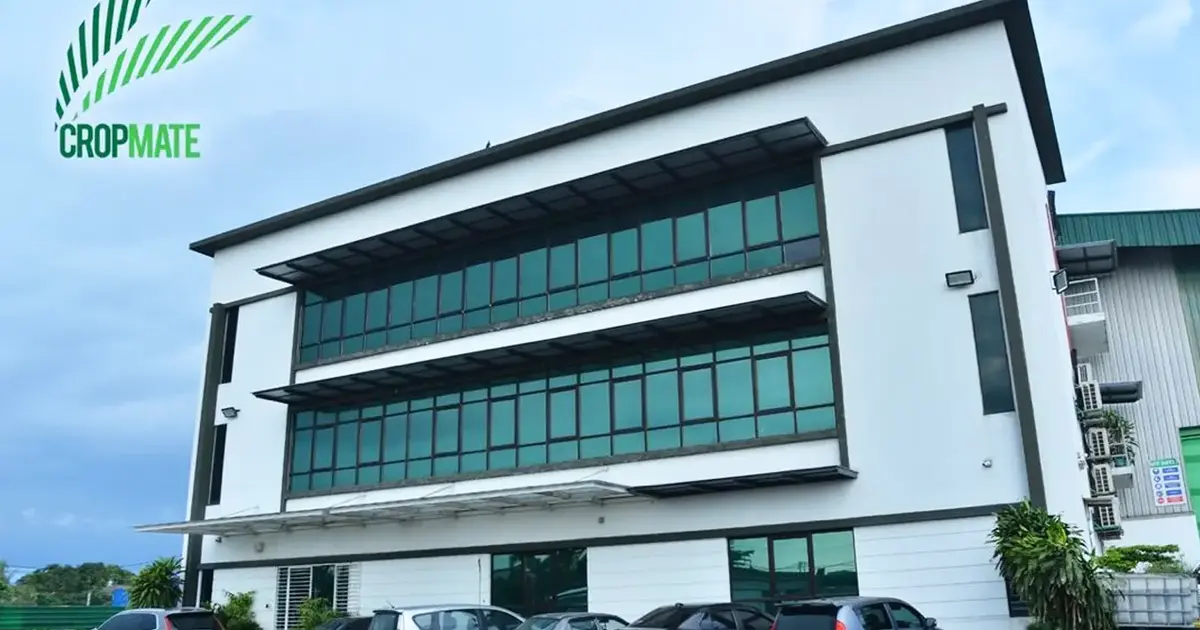
Malaysia's fertiliser sector has weathered considerable scrutiny in recent months, and Cropmate's announcement regarding the restoration of its banking access marks a potential turning point for the agricultural input supplier. The company disclosed that authorities have unfrozen its bank accounts, a development that suggests resolution or at least significant progress in whatever regulatory or investigative matter prompted the initial freeze.
The account freeze had effectively constrained Cropmate's operational capacity, limiting the firm's ability to conduct routine transactions essential for maintaining supply chains and servicing its customer base. For a fertiliser distributor operating within Malaysia's competitive agricultural sector, such banking restrictions create cascading complications. The inability to move funds freely impairs inventory purchases, payroll processing, and distribution logistics, all critical functions that directly impact farmers and agribusinesses dependent on reliable fertiliser supplies.
In clarifying its position, Cropmate emphasised that no member of its workforce—spanning from frontline employees to its board of directors—has been arrested or charged with any offence. This categorical statement addresses what would otherwise remain an outstanding concern for stakeholders including suppliers, distributors, and customers. The absence of criminal proceedings against key personnel suggests the account freeze may have been precautionary or investigative in nature, potentially unrelated to misconduct by individuals within the organisation.
The distinction between asset freezes and criminal charges holds considerable weight in corporate governance and investor confidence. A frozen account does not necessarily implicate criminal behaviour; regulatory authorities frequently implement such measures during investigations into compliance concerns, financial irregularities, or administrative matters that may ultimately resolve without prosecutorial action. Cropmate's clarification effectively separates the company's operational difficulties from any insinuation of personal culpability among its leadership.
For Malaysian agricultural stakeholders, the implications of Cropmate's account restoration extend beyond the single company. Fertiliser availability and pricing dynamics significantly influence farming economics across the nation, where palm oil, rubber, rice, and vegetable production remain economically vital. Disruption to any major domestic supplier ripples through farming communities and downstream commodity markets. The restoration of Cropmate's banking function therefore supports broader agricultural productivity and food security considerations.
The fertiliser industry itself navigates a complex regulatory environment encompassing environmental compliance, product quality standards, and financial oversight. Global supply chain disruptions affecting fertiliser availability have intensified scrutiny of domestic distributors and their operational reliability. In this context, Cropmate's restoration to normal banking operations provides reassurance to the industry that regulatory frameworks, while rigorous, ultimately aim to facilitate legitimate business operations rather than obstruct them.
Cropmate's public statement represents a strategic communication move designed to restore stakeholder confidence. By simultaneously announcing the account freeze resolution and categorically denying criminal charges, the company addresses two distinct concerns that could otherwise undermine market perception. Customers may fear supplier instability; creditors may question repayment capacity; suppliers may hesitate to extend credit terms. The dual-pronged disclosure directly counters these apprehensions.
The timing of such announcements frequently carries significance in corporate messaging. Companies typically publicise regulatory clearances once formal notification confirms the resolution, suggesting Cropmate has received explicit confirmation rather than merely experiencing a procedural lapse. This procedural regularity strengthens the credibility of the company's assurances to its stakeholders.
Looking forward, Cropmate's restoration to normal banking operations enables the company to resume full commercial activity and rebuild any market share or customer relationships potentially affected during the freeze period. The agricultural sector operates on seasonal cycles and established supply relationships, and extended disruptions can shift customer loyalty permanently toward competitors. Cropmate's swift public communication regarding account restoration aims to minimise such defection.
For Malaysian agricultural businesses and farming operations, Cropmate's situation underscores the importance of supplier diversification and financial resilience. While regulatory scrutiny and account freezes remain exceptional circumstances, their potential impact on input availability highlights why farmers and agribusinesses benefit from maintaining relationships with multiple suppliers and maintaining buffer stocks where feasible.
The broader context encompasses Malaysia's regulatory commitment to maintaining transparent, accountable business operations while protecting legitimate commercial enterprise. The capacity of authorities to investigate potential irregularities while simultaneously allowing cleared companies to resume normal operations demonstrates functional regulatory oversight. Cropmate's case illustrates that scrutiny and eventual clearance are compatible outcomes, neither inherently damaging nor exonerating depending on facts and circumstances.
Moving ahead, Cropmate will likely seek to reestablish credibility through consistent operational performance and transparent engagement with customers and regulatory bodies. The company's rapid public statement regarding account release and the absence of criminal charges represents the opening stage in reputation rehabilitation following the operational disruption.

