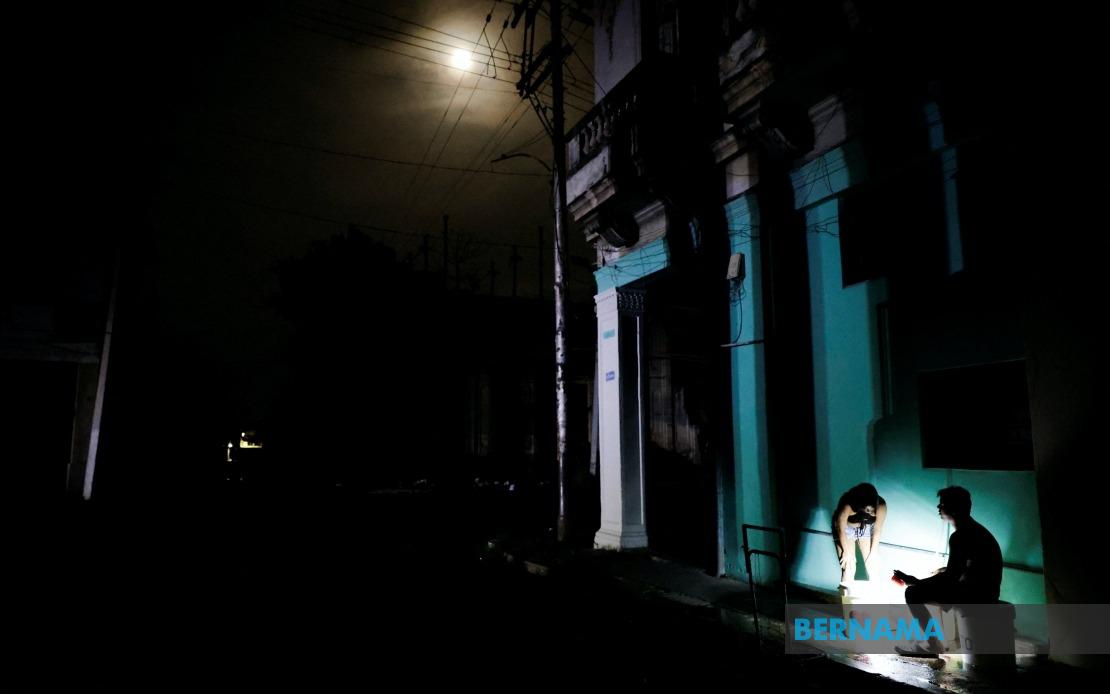
Cuba descended into darkness once more when its national electrical grid unexpectedly failed, plunging the entire island nation into another blackout. The state-owned electricity utility confirmed the grid collapse to international media outlets on Sunday, though specifics about what triggered the infrastructure failure remain undisclosed. This latest outage represents the first recorded incident in August, arriving on the heels of three separate nationwide blackouts that struck the Caribbean nation throughout July, underscoring the accelerating fragility of Cuba's energy systems.
The recurrence of these blackouts illuminates the deepening crisis confronting Cuba's power sector. Rather than isolated incidents, these outages now represent a pattern of systematic failure affecting millions of residents across the island. The frequency and nationwide scope of these disruptions have transcended technical inconvenience to become a defining feature of daily life, with citizens uncertain whether electricity will be available at any given moment. For a nation struggling with economic constraints, these cascading failures compound existing hardships and threaten essential services from hospitals to communications networks.
Life in Cuba has been reshaped by perpetual energy uncertainty. Residents have adapted survival strategies around electricity availability, timing essential activities such as cooking, bathing, internet access, and home cooling to coincide with power restoration windows. The summer heat intensifies the desperation; without functioning air conditioning or fans during sweltering months, public health concerns emerge. This unpredictability strips away basic quality-of-life protections that most Latin American nations take for granted, forcing families to make daily calculations about resource consumption.
Recognising the unsustainability of the status quo, Cuba's government has begun pursuing structural economic reforms designed to inject private investment and market mechanisms into sectors previously monopolised by state apparatus. Prime Minister Manuel Marrero Cruz announced in July that authorities had green-lit the nation's inaugural foreign investment arrangement permitting international companies to import and distribute fuel domestically. This represents a significant ideological shift for the socialist government, which has historically guarded energy and resource control as state prerogatives.
Beyond fuel imports, the administration has authorised approximately two hundred private enterprises to participate in wholesale fuel distribution networks. These businesses now occupy space previously reserved for government entities, signifying a pragmatic recalibration of economic policy. Complementing energy sector reforms, lawmakers have simultaneously sanctioned private capital participation in Cuba's tourism industry, another revenue-generating sector previously restricted to state operators. The tourism liberalisation holds particular significance given international travel's capacity to generate hard currency desperately needed for infrastructure maintenance and imports.
Prime Minister Marrero Cruz has tempered expectations about the pace of recovery, emphasising that transformative results will accumulate incrementally rather than materialising immediately. His acknowledgement that authorities are entering "the most important, and perhaps the most difficult, stage" reflects candid assessment of the challenges ahead. Institutional inertia, decades of centralised planning, and limited access to capital all constrain how rapidly Cuba can restructure its energy infrastructure and economic institutions. The government has essentially conceded that meaningful improvement will require patience and persistence.
The energy crisis affects neighbouring Caribbean and Central American nations' assessments of regional stability. Cuba's deteriorating infrastructure raises questions about migration pressures, as citizens facing deteriorating living standards may seek opportunities elsewhere in the region, including through perilous sea crossings. Malaysia and other Southeast Asian nations monitor such crises through the lens of broader geopolitical implications, as energy failures can destabilise entire regions and generate refugee movements affecting international relations.
Cuba's experience illustrates how authoritarian centrally-planned economies struggle to maintain critical infrastructure without market feedback mechanisms or competitive innovation. The government's belated embrace of foreign investment and private participation implicitly acknowledges that state monopolies have demonstrably failed to maintain reliable power generation and distribution. Other countries with aging infrastructure and limited capital may observe Cuba's predicament as cautionary evidence supporting infrastructure modernisation investments.
The timing of blackouts during summer months carries particular significance, as cooling demands peak precisely when the grid proves most vulnerable. This mismatch between energy demand and supply capacity perpetuates a downward spiral where infrastructure stress produces outages that delay maintenance and upgrades, which subsequently worsen future reliability. Breaking this cycle requires sustained capital investment that Cuba's constrained fiscal position struggles to accommodate, even with newfound foreign investment mechanisms.
Cuba's energy troubles also underscore broader Caribbean vulnerability to infrastructure collapse. Island nations lack the geographic redundancy available to continental countries; when centralised power generation fails, entire populations face simultaneous deprivation. This geographic reality makes Cuba's grid collapse particularly consequential—no alternative supply networks exist, and no neighbouring utilities can provide emergency interconnections as would occur in continental regions.
The government's measured approach to reform suggests officials recognise that rapid transformations risk political instability. By gradually introducing private investment rather than pursuing wholesale privatisation, Cuban authorities attempt to navigate between economic necessity and political legitimacy concerns. Whether this gradualist strategy can accelerate infrastructure improvements sufficiently to prevent additional blackouts remains uncertain. The next weeks and months will reveal whether the latest reforms produce tangible improvements or whether Cubans face further energy emergencies.

