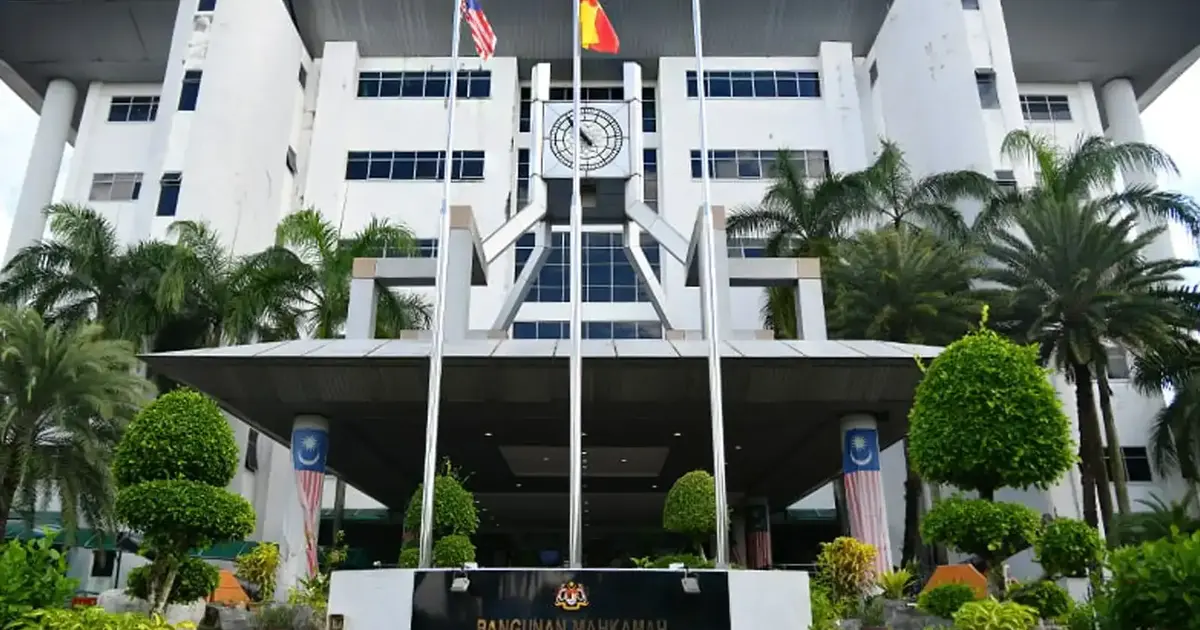
A Royal Malaysian Customs Department officer appeared in court this week to face charges stemming from allegations that he accepted a substantial cash payment to halt a formal investigation. Fareez Akhmal Yusuf is accused of soliciting and receiving RM15,000 from a 50-year-old individual on June 29, purportedly in exchange for closing an active probe, according to court documents. The charge represents one of several corruption cases that have drawn public attention to the integrity of Malaysia's customs enforcement apparatus in recent months.
The case highlights an ongoing vulnerability within enforcement agencies where officers with investigative authority can potentially leverage their position for personal gain. Customs officials occupy a crucial role in Malaysia's border security and revenue collection framework, tasked with examining shipments, collecting duties, and investigating violations of trade and customs regulations. When such officers are accused of accepting inducements to abandon investigations, the implications extend far beyond the immediate misconduct—they undermine the entire regulatory system that protects legitimate trade and generates government revenue.
Corruption within customs organisations carries particular significance in Malaysia given the nation's position as a major trading hub and its reliance on tariff revenues. The country sits at the crossroads of significant maritime and air cargo routes, making its customs system both valuable and vulnerable to compromise. A breakdown in customs integrity can create opportunities for smuggling, tax evasion, and the movement of prohibited goods, ultimately costing the government millions in lost revenue and creating security risks.
Fareez Akhmal Yusuf's trial commences at a moment when Malaysian authorities have intensified their focus on internal corruption within government departments. The Malaysian Anti-Corruption Commission and police force have increased their monitoring of customs operations, recognising that public trust in trade regulations depends upon the consistency and impartiality of enforcement. Individual cases such as this one often serve as catalysts for broader institutional reviews and personnel investigations within the affected agency.
The specificity of the allegations—naming a particular date, amount, and transaction type—suggests that investigators gathered documentary or witness evidence during their probe. Customs cases of this nature typically involve statements from the complainant, financial records if available, and potentially communication records that might corroborate the quid pro quo arrangement. The prosecution's case will likely depend on demonstrating that Fareez Akhmal Yusuf solicited the payment with the explicit understanding that accepting it would result in the cessation of investigative efforts.
For the customs department itself, high-profile corruption trials create both reputational damage and opportunities for institutional reform. Leadership within the Royal Malaysian Customs Department will face pressure to demonstrate that the case is not isolated and that systemic safeguards are in place to prevent similar misconduct. Internal control mechanisms, including supervision of investigations, audit trails for case closures, and whistle-blower protections, become focal points for scrutiny when individual officers are prosecuted.
The trial also carries implications for Malaysia's broader anti-corruption standing internationally. The country's efforts to combat organised crime, money laundering, and sanctions evasion depend partly on the reliability of its customs apparatus. International trading partners and organisations that assess corruption risks factor the integrity of enforcement agencies into their assessments of Malaysia as a destination for trade and investment. Visible prosecution of offenders sends a signal that wrongdoing does not go unchecked.
For the 50-year-old suspect whose case prompted the investigation, the alleged bribery creates significant complications. Should Fareez Akhmal Yusuf be convicted, questions may arise about the legitimacy of any closure or dismissal that occurred as a result of the improper payment. Legal remedies and the possibility of case reinstatement could emerge as further matters requiring resolution through the courts. The suspect's own situation remains uncertain pending the outcome of the customs officer's trial.
The case also resonates within the context of Malaysia's ongoing efforts to strengthen governance across all federal agencies. Recent administrations have pledged to prioritise transparency, implement stronger oversight mechanisms, and create career pathways that reward integrity rather than creating incentives for misconduct. Training programmes emphasising professional standards and ethics have been introduced across government departments, though individual prosecutions suggest that institutional measures have yet to eliminate all instances of wrongdoing.
As the trial proceeds, observers will watch for details regarding how the alleged bribery was facilitated, whether any supervisory failures enabled the misconduct, and what disciplinary or administrative measures the customs department initiates independently of the criminal process. The outcome will likely influence how agencies approach internal investigations and personnel vetting in the coming months.

