The Democratic Action Party signalled its complete backing on Friday for Prime Minister Datuk Seri Anwar Ibrahim's campaign to dismantle the Universities and University Colleges Act, yet simultaneously pressed the administration to widen its transformation agenda across additional domains. The party's stance underscores the coalition government's shared conviction that the restrictive legislation governing campus life demands immediate repeal, whilst simultaneously highlighting growing expectations among reform-minded allies that the initiative must extend far beyond university governance.
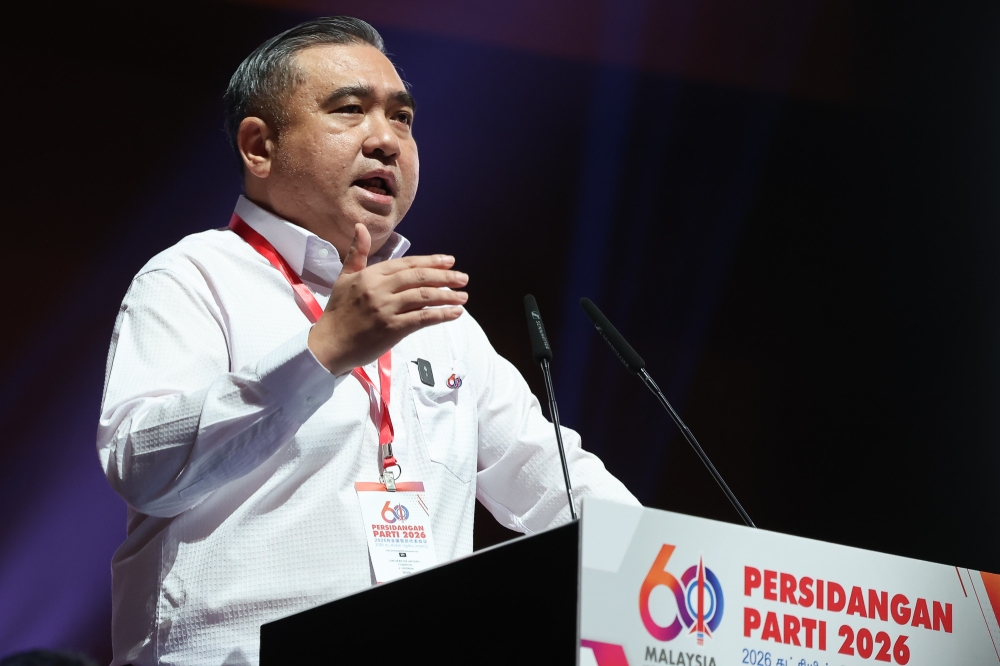
Transport Minister Anthony Loke articulated DAP's position during remarks in Putrajaya, emphasising the party's unequivocal commitment to the AUKU abolition drive whilst contending that modernisation efforts ought to encompass a considerably broader institutional landscape. His intervention reflects wider conversations within the coalition about the velocity and scope of structural change, particularly as the government approaches the midpoint of its electoral term with various competing reform priorities demanding attention.
The AUKU, enacted in 1971, has long been criticised by civil liberties advocates, student activists, and opposition figures as an instrument of government control that restricts academic freedom and student political participation. Its provisions prohibit university students from engaging in political activities, limit their rights to organise, and grant administrators extensive powers to regulate campus conduct—restrictions that many view as anachronistic in contemporary Malaysia. Anwar's administration has positioned AUKU abolition as a flagship reform demonstrating its commitment to democratic opening and institutional modernisation.
DAP's public reaffirmation of backing carries strategic importance within the coalition coalition framework. The party, long aligned with civil society movements opposing the act, has been instrumental in advocating for educational liberalisation within government circles. By declaring "100 per cent" support, DAP leadership aims to consolidate its credentials as a progressive force whilst simultaneously pressuring the administration to accelerate timeline and expand ambition. This dynamic reflects the complex negotiations necessary to maintain coalition cohesion whilst advancing distinct policy preferences.
Loke's supplementary remarks introducing the notion that reforms must venture beyond AUKU arguably signal DAP's frustration with what it perceives as insufficiently bold transformation. The transport minister's emphasis on broader reform suggests the party envisions comprehensive institutional restructuring encompassing labor rights, media regulation, religious law reforms, and other governance areas. This positioning allows DAP to appear supportive of government initiatives whilst simultaneously advocating for more expansive change, effectively hedging between coalition loyalty and activist expectations.
The timing of DAP's statement carries significance given ongoing parliamentary discussions surrounding legislation to replace AUKU's restrictions. Student unions and civil society groups have intensified advocacy for swift repeal without delay, arguing that prolonged uncertainty undermines campus morale and international academic reputation. DAP's visible backing provides political cover for the government whilst acknowledging constituent pressure from educational communities and youth movements traditionally aligned with the party.
For Malaysian readers monitoring institutional reform trajectories, this announcement illustrates how coalition politics shapes policy implementation. DAP's conditional backing—enthusiastic on AUKU but demanding wider scope—reflects the calculated positioning necessary within multi-party governments. Smaller coalition partners often leverage support for marquee initiatives to extract concessions on additional issues, creating interconnected reform agendas rather than isolated policy changes.
The abolition framework itself remains subject to ongoing design discussions. Questions persist about replacement legislation governing campus conduct, student political participation parameters, and administrative oversight mechanisms. DAP's broader reform agenda implicitly encompasses these implementation details, suggesting the party intends to shape not merely AUKU's removal but the governance architecture that follows.
Regionally, Malaysia's higher education system attracts students from across Southeast Asia, making domestic governance reforms consequential for the region's intellectual landscape. AUKU's restrictions have occasionally prompted international criticism regarding academic freedom, affecting Malaysia's standing amongst research institutions. Abolition signals Malaysia's alignment with regional peers regarding campus autonomy, potentially enhancing institutional recruitment and collaboration prospects.
The coalition's handling of this reform programme will likely influence broader governance expectations. Successfully executing AUKU abolition whilst expanding transformation efforts elsewhere could reinforce government credibility regarding systemic change. Conversely, protracted implementation timelines or limited scope might disappoint constituencies expecting more comprehensive institutional modernisation, potentially affecting coalition dynamics approaching subsequent electoral cycles.
Looking forward, parliamentary processes governing AUKU's replacement will test coalition unity and government commitment. DAP's stated support provides necessary political foundation, yet the party's simultaneous emphasis on expanded reforms suggests ongoing negotiations regarding transformation velocity and breadth. How the administration navigates these intersecting pressures will significantly shape perceptions regarding its genuine dedication to institutional modernisation.

