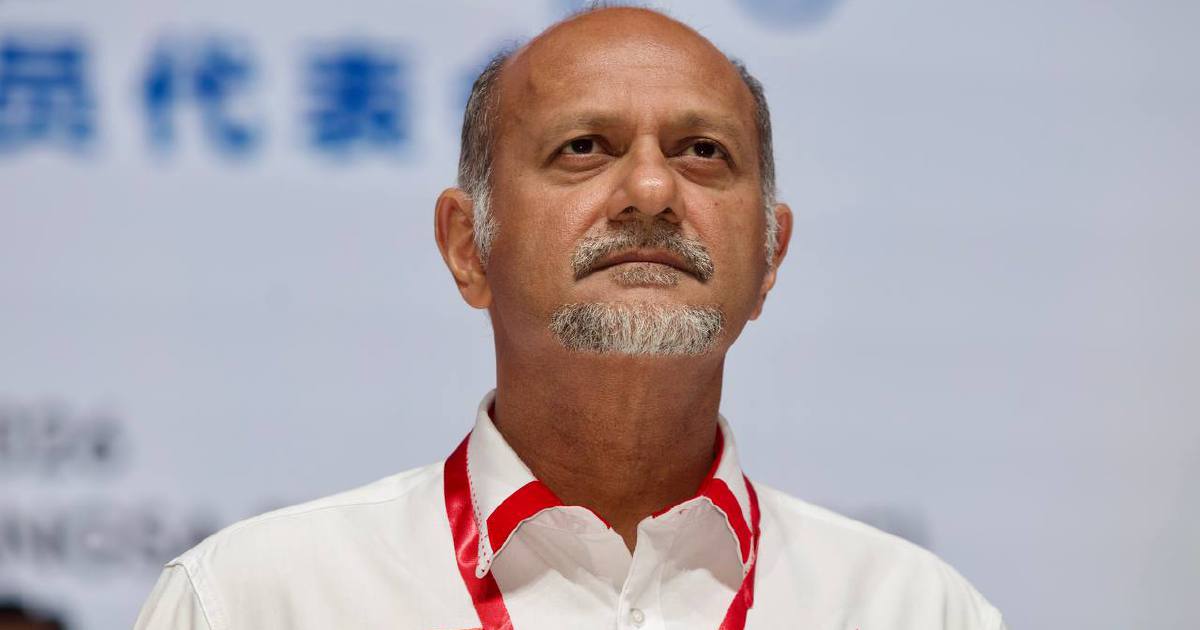
Concerns over the pace of institutional restructuring and economic transformation have surfaced within Malaysia's governing coalition, with DAP national chairman Gobind Singh Deo calling on Prime Minister Datuk Seri Anwar Ibrahim to accelerate reform efforts. Speaking in Putrajaya, Deo's intervention reflects growing impatience among coalition members about the breadth and speed of the government's modernisation agenda, nearly three and a half years into the unity government's mandate.
The remarks underscore mounting internal pressure as the coalition navigates what many analysts view as a critical juncture in its reform programme. With electoral support fragmented across multiple parties and competing priorities, the unity administration has struggled to deliver wholesale restructuring of institutions and the broader economic framework. DAP's public call suggests that even sympathetic coalition partners feel the government risks losing momentum on transformative change if the current approach persists.
Malaysia's institutional landscape has long been seen as requiring significant overhaul to enhance competitiveness and governance standards. Issues ranging from civil service efficiency to transparency in public procurement, coupled with structural economic challenges such as skills mismatches and infrastructure gaps, remain unresolved. The DAP's intervention signals frustration that proposed solutions have not materialised quickly enough or with sufficient scope to address these persistent concerns.
For Malaysia's business community and international investors watching the government's reform trajectory, DAP's public stance carries weight. The party's parliamentary presence and influence on coalition decision-making make it a barometer of broader coalition sentiment. When coalition members voice criticism, it often presages either genuine policy shifts or renewed internal negotiations over the direction and urgency of government initiatives. This dynamic has important implications for investor confidence and Malaysia's competitive position in the region.
The timing of Deo's comments is particularly significant given the broader Southeast Asian context. Neighbouring economies have pursued aggressive institutional modernisation and digital transformation, positioning themselves as attractive destinations for foreign investment and talent. Malaysia, by contrast, appears to be progressing more cautiously, a fact not lost on regional observers assessing the country's medium-term growth prospects and its capacity to compete for high-value sectors such as semiconductors, renewable energy, and digital services.
Institutional reform in the Malaysian context typically encompasses civil service restructuring, anti-corruption measures, regulatory streamlining, and transparency enhancements. DAP's push for stronger action in these areas reflects the party's traditional emphasis on governance standards and accountability—priorities that resonate with urban, educated constituencies that form core support bases for the coalition. The challenge for the government has always been balancing these aspirations with broader political imperatives and the need to maintain coalition cohesion.
Economic reforms, meanwhile, demand attention to structural issues that have constrained long-term growth. These include subsidy rationalisation, labour market liberalisation, public enterprise performance, and industrial policy reorientation toward higher-value sectors. Previous governments have initiated reforms in some of these areas, but progress has often been halting or incomplete due to political resistance from affected constituencies. DAP's call for acceleration suggests the party believes more decisive action is both necessary and politically feasible within the current coalition framework.
The unity government's unusual composition—comprising Barisan Nasional, Pakatan Harapan, and other partners—creates both opportunities and constraints for reform. Large coalitions can sometimes enable bold action by distributing the political costs of unpopular decisions across multiple partners. Conversely, the need for consensus can paralyse reform efforts, particularly when different coalition members prioritise different policy domains. DAP's intervention may be calculated to break through such paralysis by applying public pressure at a moment when other coalition members are receptive to change.
Analysts note that the government faces a narrow window to demonstrate progress on its reform agenda before electoral considerations increasingly dominate political discourse. With general elections not constitutionally required until 2027 or 2028, but potentially scheduled earlier, coalition members are weighing whether to pursue more contentious reforms now or defer them to a post-election agenda. DAP's public stance suggests some coalition figures believe procrastination carries greater political risk than timely, well-executed reform.
The institutional reforms DAP appears to emphasise likely include strengthening independent agencies, enhancing parliamentary oversight, improving government transparency mechanisms, and broadening participation in policy-making processes. These measures appeal to the DAP's democratic-oriented voter base and align with international governance benchmarks that influence Malaysia's soft power standing and regulatory reputation. Economic reforms would presumably target productivity, competitiveness metrics, and fiscal sustainability—areas where Malaysia faces growing headwinds from regional competitors and global economic shifts.
For ordinary Malaysians, the stakes of this internal coalition debate are high. Stronger institutions and more dynamic economic growth could translate into better employment prospects, more reliable public services, and greater social mobility. Conversely, failure to implement meaningful reforms risks entrenching structural stagnation and perpetuating inequities in access to economic opportunity. DAP's call thus speaks to aspirations shared across the political spectrum, even if coalition partners disagree on implementation details and sequencing.
Looking ahead, the effectiveness of DAP's public pressure may depend on whether other coalition members amplify similar calls or whether the government perceives the criticism as isolated. If momentum builds for accelerated reform, the next months could witness tangible policy announcements and legislative action. If the government responds defensively or dismisses the concerns, it would signal that internal coalition dynamics have stalled the reform agenda—a conclusion that would shape investor sentiment and the prospects for Malaysia's economic trajectory in an increasingly competitive region.

