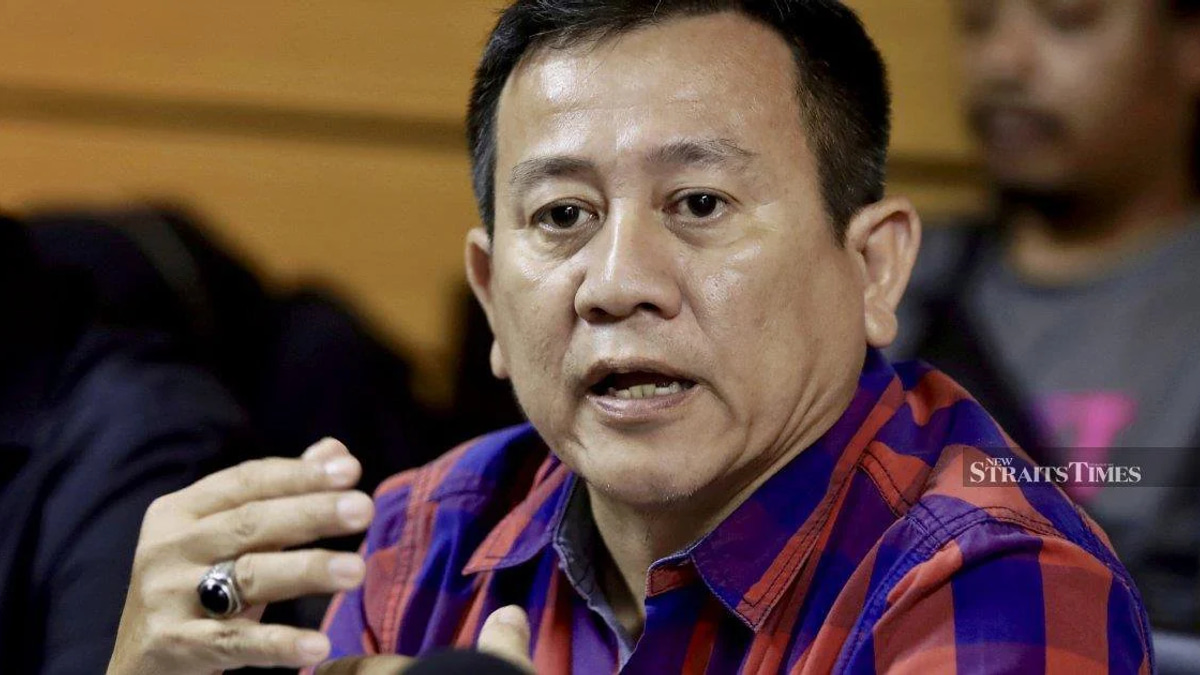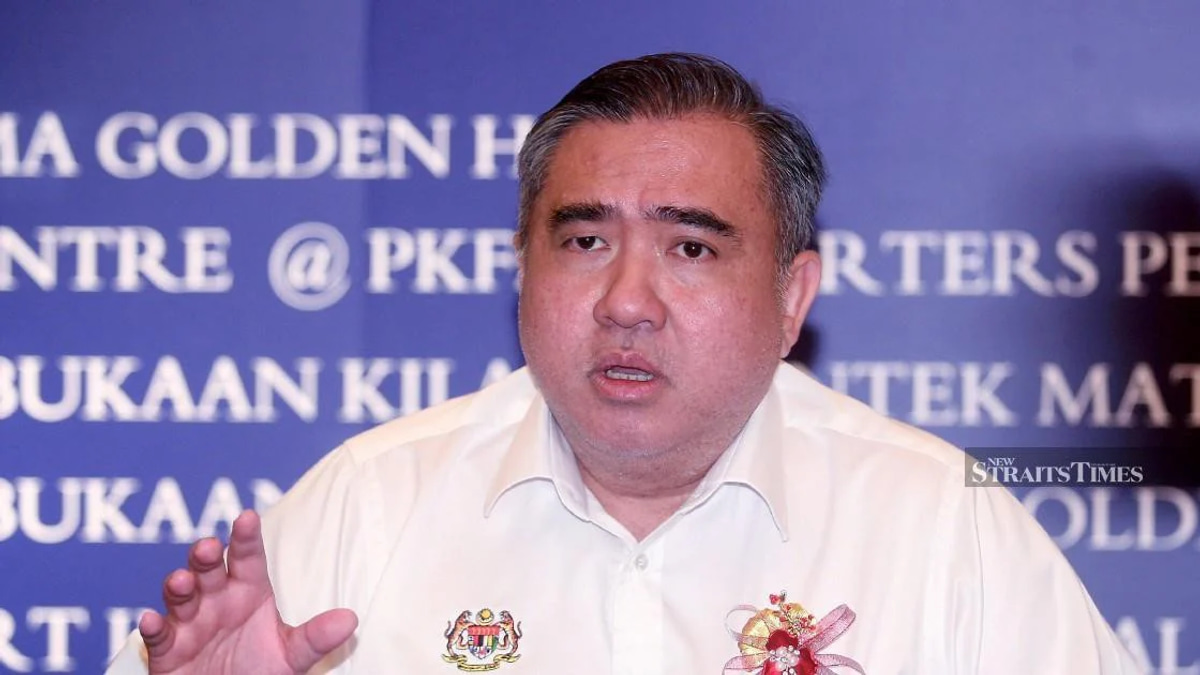
The Democratic Action Party has unveiled its selection for the Mengkibol parliamentary seat ahead of the next general election, signalling a strategic shift in its approach to the contest. Party secretary-general Loke Siew Fook formally introduced lawyer Chu Poh Yee as the party's nominee for the constituency, marking a decision that reflects internal party assessments about electoral competitiveness and candidate viability in the region.
The choice to nominate Chu Poh Yee represents a departure from the incumbent representative who has held the seat for two consecutive terms. This move suggests the DAP has determined that fielding fresh candidacy could strengthen its position in a constituency where demographic and political shifts may be reshaping voter preferences. The transition underscores how opposition parties continuously recalibrate their candidate selection strategies in response to evolving ground dynamics and internal party evaluations.
Chu Poh Yee brings legal expertise to the table, a professional background that the DAP likely views as advantageous for addressing constituent concerns and legislative work. Lawyers have traditionally formed a significant cohort within the DAP's parliamentary representation, reflecting the party's emphasis on technocratic governance and evidence-based policymaking. Chu's professional credentials could appeal to urban and middle-class voters who prioritise competence and legal acumen in their elected representatives.
The Mengkibol constituency has represented an important battleground for the DAP within its broader electoral calculations. Like many constituencies across Malaysia, it has experienced demographic changes and shifts in voter sentiment that necessitate regular reassessment by political parties. By introducing a new candidate rather than seeking to retain the sitting member, the DAP is effectively placing its confidence in Chu's ability to mobilise support and connect with constituents across different demographic segments.
Loke Siew Fook's announcement as party secretary-general carries particular weight, as this position places him at the centre of the DAP's organisational machinery and strategic decision-making. His direct involvement in the candidate announcement reflects the significance the party attaches to the Mengkibol seat and its broader electoral strategy for the general election cycle. Senior party leadership engagement in candidate announcements typically signals that constituencies are being treated as priority targets or strategically important areas for party performance.
The decision also carries implications for internal party dynamics within the DAP. Incumbent representatives stepping aside for new candidates can trigger sensitive discussions about loyalty, tenure expectations, and succession planning within any political organisation. How the outgoing member responds to this transition and whether they receive alternative electoral placement or party roles will likely influence broader perceptions of how the DAP manages the departure of long-serving parliamentarians.
For Malaysian voters in the Mengkibol area, the candidacy shift presents an opportunity to evaluate a fresh face against the voting record and engagement of the outgoing member. Voters who have supported the DAP incumbent across two terms will assess whether Chu Poh Yee offers comparable or enhanced representation prospects. Conversely, voters dissatisfied with the previous representation may view the change as an invitation to reconsider their voting preferences.
The timing of the candidate announcement relative to the general election timetable indicates the DAP's preparations are advancing substantively across multiple constituencies. As parties progressively confirm their nominations, the contours of the electoral contest become clearer, allowing voters to begin forming preferences and enabling competing candidates to mobilise campaign infrastructure and grassroots support networks.
Chu Poh Yee's nomination must also be contextualised within the broader canvas of Malaysian electoral politics, where the DAP competes against established rivals including UMNO, PKR, and other coalition partners or independents depending on local circumstances. In constituencies like Mengkibol, the DAP's electoral fortunes depend on whether it can consolidate its support base, expand appeal among swing voters, and effectively contrast its vision with opposing candidates who will inevitably emerge during the campaign period.
The legal profession has historically contributed significantly to Malaysian politics across all major parties, though the DAP has particularly emphasised the importance of lawyers and professionals in parliamentary representation. This tradition reflects philosophical commitments to rule of law, institutional accountability, and technical competence that resonate with core DAP constituencies and broader segments of urban, educated Malaysian voters who prioritise these governance values.
Moving forward, campaign dynamics in Mengkibol will centre substantially on Chu Poh Yee's ability to articulate the DAP's policy agenda, demonstrate responsiveness to local concerns, and build sufficient personal connection with voters to overcome any incumbent advantage that might accrue to competing candidates. The effectiveness of the party's broader campaign machinery in supporting this candidate will also significantly influence whether the Mengkibol constituency proves receptive to the DAP's electoral message during the general election campaign.
%22%2F%3E%3C%2Fpattern%3E%3C%2Fdefs%3E%3Crect%20width%3D%22100%25%22%20height%3D%22100%25%22%20fill%3D%22url(%23ph5008mg)%22%2F%3E%3Crect%20width%3D%22100%25%22%20height%3D%22100%25%22%20fill%3D%22url(%23ph5008mp)%22%2F%3E%3Ctext%20x%3D%2250%25%22%20y%3D%2250%25%22%20text-anchor%3D%22middle%22%20dominant-baseline%3D%22central%22%20fill%3D%22rgba(255%2C255%2C255%2C0.95)%22%20font-family%3D%22Georgia%2C%20'Times%20New%20Roman'%2C%20serif%22%20font-weight%3D%22700%22%20font-size%3D%22320%22%20letter-spacing%3D%22-0.02em%22%3ETwo%3C%2Ftext%3E%3C%2Fsvg%3E)