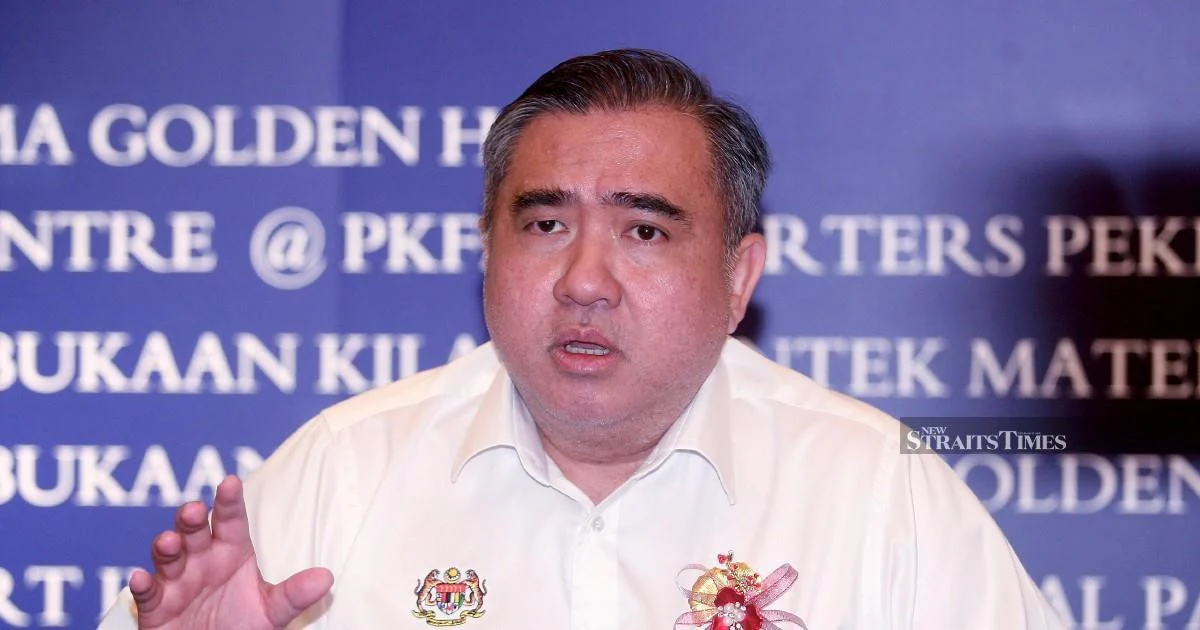
The Democratic Action Party is poised to make a significant move in shaping the political landscape of Johor by formally revealing its candidate lineup for the forthcoming state election. The announcement, scheduled for this evening in Kluang, represents a critical juncture in the party's electoral strategy as it positions itself within the competitive Johor political arena.
This development underscores the escalating pace of campaign activities across Malaysian political parties as election season approaches. For DAP, which has historically sought to expand its footprint beyond its traditional strongholds in Penang and Selangor, the Johor contest carries particular strategic weight. The southern state represents a complex political battleground where the party must compete against entrenched interests while building grassroots support among an electorate increasingly attuned to issues of governance and accountability.
The timing of the candidate unveiling carries operational significance. By formally presenting its candidates ahead of other major competitors, DAP demonstrates readiness and organisational momentum. The Kluang location also merits attention, as the town serves as a focal point in Johor's political geography. Such venue selections are rarely arbitrary in Malaysian electoral politics—they signal the party's confidence in specific constituencies and its intention to contest vigorously across the state rather than concentrating resources in a handful of seats.
For DAP, candidate selection involves navigating multiple competing interests. The party must balance representation of its established leadership cadre with fresh faces capable of appealing to younger voters and those fatigued by incumbent administrations. Additionally, in a state where DAP has previously made modest electoral headway, the composition of the candidate slate—reflecting diversity of background, experience, and community connection—will substantially influence how local communities perceive the party's seriousness about governing.
The announcement also arrives within the broader context of coalition politics in Malaysia. DAP's positioning within the Pakatan Harapan framework, and its relationships with other component parties, influence how resources are allocated and which constituencies receive concentrated attention. The candidate reveal will therefore offer observers insights into how DAP intends to coordinate with coalition partners, whether through geographic division of contest areas or through competitive elements within agreed-upon alliance arrangements.
For Malaysian voters, particularly those in Johor watching political developments with increasing sophistication, such announcements serve as crucial information points. Candidates' credentials, track records, and demonstrated commitment to local constituencies become focal elements in electoral decision-making. The diversity, competence, and community embeddedness of DAP's Johor slate will significantly shape the party's electoral prospects, as voters make increasingly granular assessments of individual candidates rather than relying solely on party affiliation.
The Johor election itself represents a meaningful test case for opposition politics in Malaysia. The state's electoral dynamics have shifted over preceding years, with voters demonstrating willingness to shift allegiances when performance, integrity, or policy responsiveness falters. DAP's participation in this contest reflects the party's assessment that Johor presents viable opportunities for increased representation and influence.
From a regional perspective, DAP's Johor campaign carries implications extending beyond the state itself. The party's performance will offer diagnostic data about opposition strength in important southern peninsula constituencies, where Bumiputera demographics and religious sensitivities create distinct political dynamics. Success or relative underperformance in Johor will inform DAP's strategic recalibration in subsequent elections and influence broader opposition coalition calculations.
The candidate announcement methodology also warrants consideration. Modern Malaysian political campaigns increasingly employ sophisticated communication strategies, with formal unveilings designed not merely to present information but to generate media attention, energise party supporters, and establish specific narrative frames. How DAP frames its Johor campaign—whether emphasising economic development, anti-corruption credentials, or specific policy platforms—will become evident through the candidate presentation event and accompanying messaging.
Looking forward, the unveiled candidate slate will be subject to detailed scrutiny from multiple constituencies. Local media will probe candidates' backgrounds and vision. Rival parties will immediately begin contrasting DAP's offerings against their own candidates. Civil society organisations may assess candidates against established criteria for integrity and competence. This immediate post-announcement period therefore proves crucial in shaping initial public perception of DAP's electoral viability in Johor.
The broader significance of this announcement extends to Malaysia's political maturation. Increasingly, Malaysian voters expect substantive engagement with candidates and policies rather than accepting passive participation in electoral exercises dominated by party machinery. DAP's willingness to formally and publicly present its Johor candidates responds to these evolving expectations and reflects the growing sophistication of electoral competition across Malaysia.
%22%2F%3E%3C%2Fpattern%3E%3C%2Fdefs%3E%3Crect%20width%3D%22100%25%22%20height%3D%22100%25%22%20fill%3D%22url(%23ph6fyvg)%22%2F%3E%3Crect%20width%3D%22100%25%22%20height%3D%22100%25%22%20fill%3D%22url(%23ph6fyvp)%22%2F%3E%3Ctext%20x%3D%2250%25%22%20y%3D%2250%25%22%20text-anchor%3D%22middle%22%20dominant-baseline%3D%22central%22%20fill%3D%22rgba(255%2C255%2C255%2C0.95)%22%20font-family%3D%22Georgia%2C%20'Times%20New%20Roman'%2C%20serif%22%20font-weight%3D%22700%22%20font-size%3D%22320%22%20letter-spacing%3D%22-0.02em%22%3EOnn%3C%2Ftext%3E%3C%2Fsvg%3E)