%22%2F%3E%3C%2Fpattern%3E%3C%2Fdefs%3E%3Crect%20width%3D%22100%25%22%20height%3D%22100%25%22%20fill%3D%22url(%23ph6fyvg)%22%2F%3E%3Crect%20width%3D%22100%25%22%20height%3D%22100%25%22%20fill%3D%22url(%23ph6fyvp)%22%2F%3E%3Ctext%20x%3D%2250%25%22%20y%3D%2250%25%22%20text-anchor%3D%22middle%22%20dominant-baseline%3D%22central%22%20fill%3D%22rgba(255%2C255%2C255%2C0.95)%22%20font-family%3D%22Georgia%2C%20'Times%20New%20Roman'%2C%20serif%22%20font-weight%3D%22700%22%20font-size%3D%22320%22%20letter-spacing%3D%22-0.02em%22%3EOnn%3C%2Ftext%3E%3C%2Fsvg%3E)
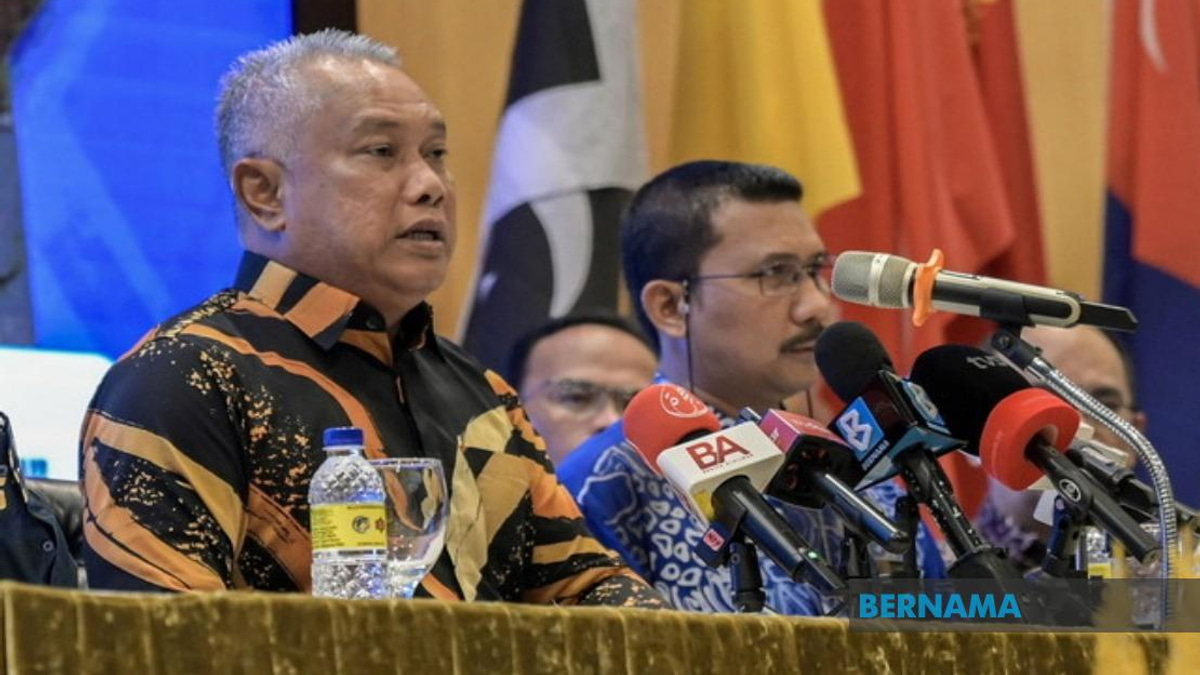
Onn Hafiz has pushed back against the notion that serving as a political party's leading campaign figure translates directly into appointment as Johor's chief minister, marking a candid acknowledgement of the complex calculations that underpin leadership selection in Malaysia's most developed state. Speaking in Johor Bahru on June 18, he indicated that while campaign prominence carries symbolic weight, it represents only one dimension of the considerations party leaders weigh when determining who should head a state administration.
The remark carries particular significance given the history of Johor's political fortunes and the state's outsized influence within the broader Malaysian political landscape. Johor has consistently served as a bellwether for national political trends, and control of the state has been fiercely contested among competing coalitions seeking to demonstrate electoral dominance. Understanding who emerges as chief minister in such a consequential state reveals much about internal party dynamics, coalition negotiations, and the balance of power among competing factions within governing structures.
Onn Hafiz's statement reflects a pragmatic reality familiar to Malaysian political observers: being chosen as a party's principal campaign spokesperson requires certain qualities—media appeal, public communication skills, grassroots connectivity—but these attributes do not automatically translate into the technical competencies required to manage a state's finances, oversee infrastructure development, or navigate complex federal-state relations. Campaign and governance represent distinct skill sets, and political party leadership recognises this distinction when making appointments to executive positions.
The comment also suggests an awareness of internal party hierarchies that may not align neatly with external campaign visibility. In Malaysian political structures, seniority within party ranks, longstanding loyalty to senior leaders, alignment with factional interests, and demonstrated administrative experience frequently outweigh campaign effectiveness when senior appointments are distributed. A party member who has spent decades building institutional relationships and proving administrative capacity may ultimately hold greater appeal for a chief minister's role than a charismatic campaigner with less institutional depth.
Furthermore, Onn Hafiz's clarification hints at the reality that coalition governments operating in Malaysia since the 2022 election have introduced additional layers of complexity to appointment processes. When multiple parties jointly form state governments, the selection of chief ministers must satisfy coalition partners, not merely the dominant party. Such arrangements can mean that the most visible campaign figure from one partner party may ultimately be bypassed in favour of a candidate who better serves broader coalition interests or consensus-building requirements.
Johor's particular governance context amplifies these considerations. The state government manages significant revenue streams from petroleum resources and maintains substantial independent fiscal capacity compared to most Malaysian states. This economic weight makes the chief minister's role exceptionally important for managing state finances and maintaining investor confidence. Political parties therefore prioritise demonstrated competence in economic management and business relationships when selecting candidates for the position, potentially elevating experienced administrators over more prominent public figures.
The statement also arrives during a period of considerable political fluidity in Malaysia's states. Coalition arrangements remain unstable in several jurisdictions, with the possibility of shifting alignments affecting leadership selection processes. In such an environment, political actors become more cautious about predictions regarding appointments, and senior figures like Onn Hafiz likely find value in maintaining flexibility and avoiding commitments that might limit their own positioning within party hierarchies during future negotiations.
Regionally, Onn Hafiz's comments resonate with broader Southeast Asian political trends where the relationship between campaign prominence and executive appointment has become increasingly attenuated. As political systems mature and become more institutionalised, meritocratic and technical considerations gain weight relative to pure electoral appeal. This pattern has appeared across the region, with voters and political establishments increasingly distinguishing between campaigners and administrators.
For Malaysian voters and political observers monitoring Johor's trajectory, the remark underscores an important principle: campaign visibility, while useful for parties seeking to mobilise support, does not constitute a binding commitment to senior appointment. This distinction matters for understanding how political competition actually functions, how appointments are negotiated behind closed doors, and why public campaign prominence sometimes fails to translate into expected positions within government structures.