Kuala Lumpur is gearing up for a massive public gathering as the FIFA World Cup 2026 final will be screened live on a giant screen at Dataran Merdeka in the early hours of Monday morning, 20th July. The screening represents a centrepiece event of the "Unity Merdeka" programme, an initiative that commenced on the weekend and will conclude on Sunday. The Kuala Lumpur police department is spearheading the effort in partnership with 16 government ministries, signalling the scale of coordination required for such a significant public event.
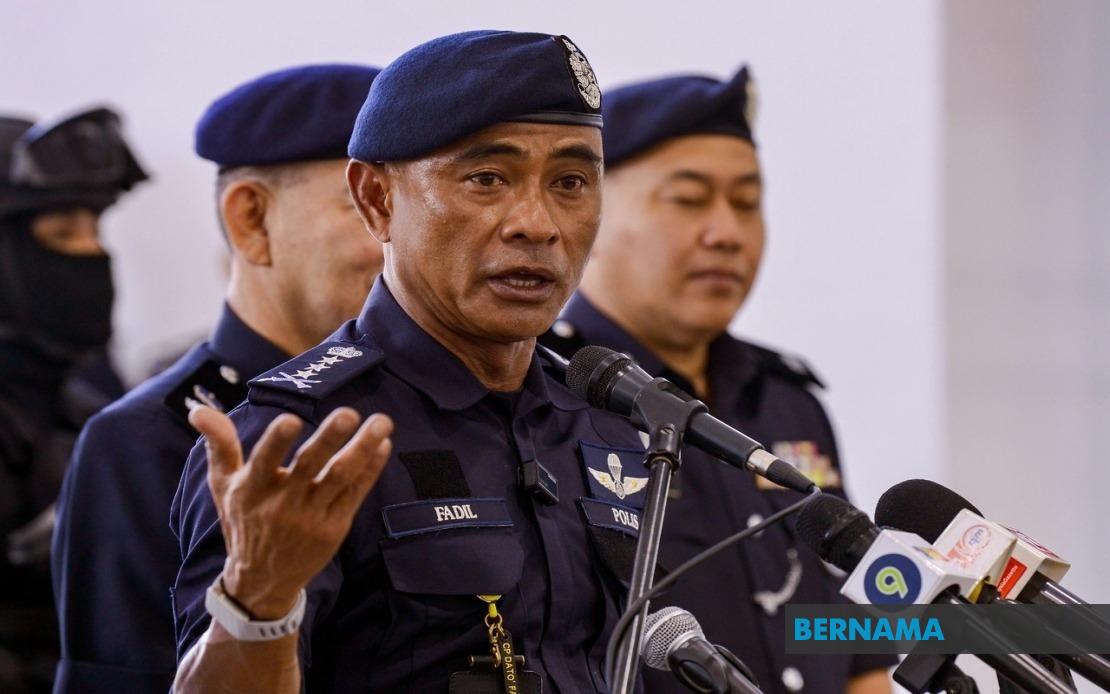
Kuala Lumpur police chief Datuk Fadil Marsus outlined the broader vision for the gathering, emphasising that the programme transcends entertainment value. According to him, the underlying objective is to strengthen communal bonds among Malaysia's diverse ethnic communities through shared cultural moments. By bringing citizens together around a globally significant sporting occasion, organisers hope to reinforce social cohesion at a time when such initiatives carry particular weight in the national dialogue.
The scale of ambition is remarkable. Authorities are targeting an attendance of up to 300,000 people at the iconic venue, a figure that would make this one of Kuala Lumpur's largest public assemblies in recent memory. Should this target be achieved, Datuk Fadil indicated that the gathering could potentially be recorded in the Malaysia Book of Records, adding a symbolic achievement to the organisational feat itself. The prospect of a record-breaking crowd reflects confidence in public interest and the organisers' capacity to manage such numbers effectively.
Activities are scheduled to commence at 8 pm on Sunday, providing several hours of entertainment and engagement before the World Cup final match begins. This extended build-up allows families and spectators to enjoy preliminary programming, absorbing the atmosphere and anticipating the main event. The staggered approach suggests organisers understand the importance of creating an immersive experience rather than a simple broadcast viewing, transforming Dataran Merdeka into a festival-like setting centred around the football match.
The programme operates under the thematic banner "Diversity United, Wellbeing Preserved," which explicitly frames unity as both the means and the end of the initiative. Beyond the World Cup screening, the week-long calendar encompasses welfare activities, artistic performances, educational components, religious observances, family-oriented programming, and entertainment offerings. This comprehensive approach ensures accessibility across demographic segments, inviting participation from citizens of all ages and backgrounds. Such inclusivity aligns with official rhetoric around nation-building and social harmony in Malaysia's multicultural context.
The initiative draws support and involvement from an impressive array of government bodies and security organisations. The Royal Malaysia Police, Malaysian Armed Forces, Fire and Rescue Department, and Ministry of Health are among the agencies establishing exhibitions and interactive booths throughout the venue. These government representatives will leverage the gathering for community engagement and public education, turning the World Cup screening into a platform for agencies to connect with citizens beyond their ordinary interactions. Such initiatives also demonstrate inter-agency coordination and shared commitment to the programme's underlying objectives.
Earlier in the week, the momentum-building began with a Fun Run Unity Merdeka event at Dataran Merdeka, which drew approximately 2,000 participants for a five-kilometre route. The running event was deliberately designed to strengthen relationships between the police institution and the broader Kuala Lumpur community. The participation of Kuala Lumpur deputy police chief DCP Datuk Mohd Azani Omar and sixteen members of the Crime Journalists Association underscored the symbolic importance of cross-sectional participation, with media representatives and law enforcement personnel serving as visible role models for community engagement.
For Malaysian football enthusiasts and international football fans residing in the region, the Dataran Merdeka screening presents a rare opportunity to experience a World Cup final in a distinctly Malaysian setting. Rather than watching in isolation or in commercial venues, supporters can join hundreds of thousands of fellow citizens in a shared, nationally-organised celebration. This creates a communal dimension that typical viewing experiences cannot replicate, transforming individual consumption into collective participation. The significance is amplified by the global reach of the World Cup, which transcends typical sporting interest to become a cultural phenomenon.
From a practical standpoint, organising such a massive public gathering demands extensive planning regarding crowd management, security, sanitation, and emergency response. The involvement of multiple government ministries and security agencies indicates that these logistical considerations have been central to planning. The simultaneous presence of diverse agencies—from health to fire and rescue—suggests authorities have contemplated potential challenges and positioned resources accordingly. This professional approach is essential for maintaining both public safety and the positive experience of attendees, ensuring that the gathering's symbolic significance is not undermined by operational failures.
The initiative also carries implicit messaging about Malaysia's engagement with global culture and sporting events. By officially organising and hosting a World Cup final screening at a national landmark, the government signals both openness to international phenomena and confidence in managing large public assemblies around shared interests. The choice of Dataran Merdeka—a site loaded with historical and patriotic significance—further emphasises that global sporting moments can be integrated into national narratives and civic spaces without contradiction. This approach reflects a cosmopolitan nationalism that acknowledges both local identity and global participation.
For regional observers, the Unity Merdeka programme offers insights into contemporary Malaysian governance approaches to nation-building and social cohesion. The emphasis on multi-agency coordination, inclusive programming, and public engagement suggests a strategy that extends beyond traditional government communication channels. By creating participatory spaces and experiences, authorities attempt to foster genuine social interaction rather than rely solely on top-down messaging. Whether such initiatives effectively translate into sustained community bonds remains a subject for evaluation, but the ambition itself reflects official priorities regarding social harmony in a diverse nation.
As the World Cup 2026 final approaches, all attention at Dataran Merdeka will focus on the match itself. However, the broader significance of the gathering extends beyond the football spectacle. The screening represents a moment of national pause and collective engagement, where citizens from different backgrounds converge in shared anticipation. Whether the event achieves its target of 300,000 attendees and its record-breaking aspirations, the initiative demonstrates how global sporting moments can be mobilised for purposes of community building and national unity in Malaysia's contemporary context.

