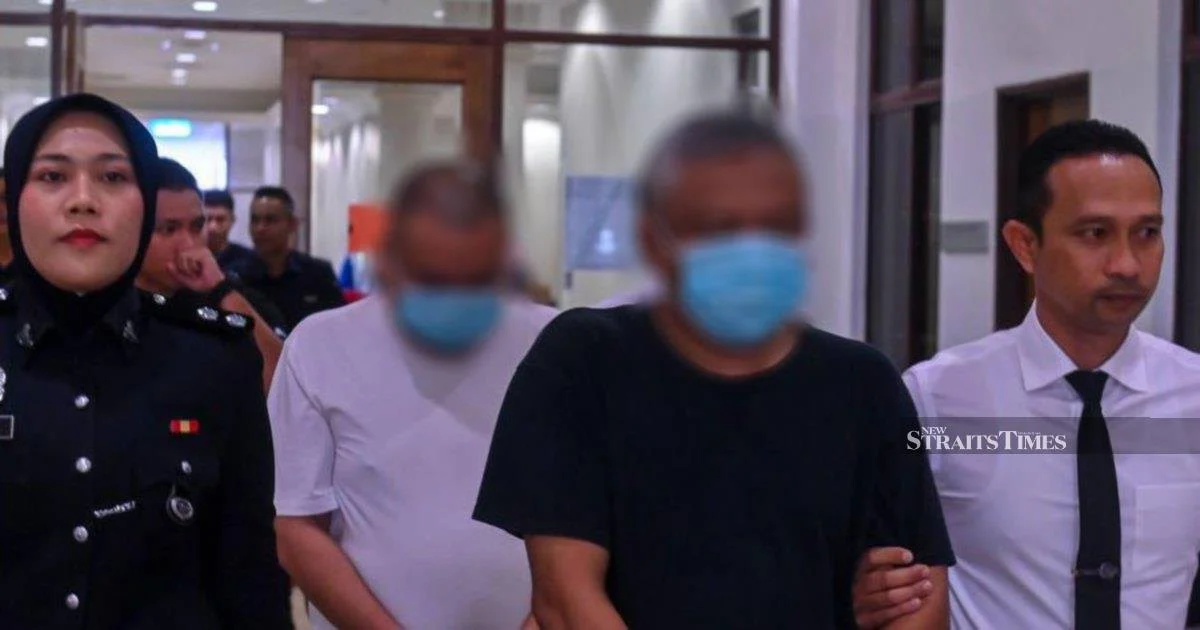
Authorities in Kuantan have taken into custody a businessman bearing the Datuk title along with his associate following an investigation into allegations of document forgery. The pair are suspected of producing counterfeit official correspondence that bore the coat of arms belonging to the Tengku Mahkota of Pahang, representing a serious violation of Malaysian law regarding fraudulent use of royal regalia and seals.
The arrest underscores growing concerns within Malaysian law enforcement regarding the misuse of official symbols and titles for unlawful gain. The forging of documents that carry royal insignia constitutes a particularly grave offence under Malaysian legal frameworks, as it not only involves document fraud but also potentially implicates the dignity and authority of the monarchy. Such cases typically receive heightened scrutiny from federal and state authorities given the sensitivity surrounding royal institutions.
The Datuk title, a form of honour conferred by state rulers in Malaysia, carries with it certain responsibilities and expectations regarding the conduct of its holders. The involvement of a titled individual in such allegations raises questions about how such honours are awarded and monitored. While the title itself does not necessarily confer special privileges in legal matters, it does position the individual within elite circles and potentially provided greater opportunity to exploit connections for fraudulent schemes.
Forging government documents, particularly those bearing royal insignia, is a punishable offence under the Malaysian Penal Code and related legislation. Authorities typically treat such cases with considerable seriousness, as forged official documents can be used for a wide range of illicit purposes, from fraudulent claims and contracts to identity verification schemes. The inclusion of the Tengku Mahkota's coat of arms suggests the documents may have been intended to lend false legitimacy to business dealings or financial transactions.
The involvement of an assistant in the alleged scheme indicates this may not have been a solitary venture but rather an operation with multiple actors fulfilling different roles. Such structured arrangements often suggest a deliberate and premeditated effort to commit fraud on a potentially significant scale. The assistant's participation could involve anything from document production and design to distribution or implementation of the forged materials in actual transactions.
Investigations of this nature typically involve cooperation between local police, federal authorities, and royal institutions themselves, given the sensitivity of protecting royal symbols and authority. The Pahang state government and the office of the Tengku Mahkota may have lodged complaints or provided information that triggered the police investigation. Understanding how the authorities became aware of the alleged forgery—whether through complaints from defrauded parties or routine compliance monitoring—provides insight into the enforcement mechanisms protecting against such crimes.
The timing and circumstances of such arrests often reveal broader patterns in Malaysian society regarding white-collar crime and institutional trust. Cases involving titled individuals perpetrating fraud shake public confidence in both the honours system and business dealings conducted by prominent figures. They also highlight the vulnerability of institutional symbols to exploitation when proper safeguards are not maintained or when individuals with access to official channels deliberately misuse that access.
For the business community in Pahang and beyond, such arrests serve as a cautionary reminder regarding due diligence in verifying official documentation. Fraudulent letters bearing royal insignia could potentially be used to influence business decisions, secure financing, or establish false credibility in negotiations. Enterprises receiving correspondence they believe to be official should establish verification procedures, particularly when such documents contain unusual requests or appear connected to unexpected business opportunities.
The investigation also raises procedural questions about how forged documents utilizing royal seals are produced and circulated. Whether the documents were digitally created, physically reproduced, or involved compromised official channels will significantly impact the scope of the investigation and potential secondary charges. Authorities may need to examine whether anyone within official government or royal institutions inadvertently assisted in the scheme or whether the perpetrators operated entirely independently using publicly available imagery.
As the case proceeds through the Malaysian legal system, the courts will need to establish several critical elements: the intent behind the forgery, the extent of use of the fraudulent documents, the quantum of loss incurred by victims, and the extent of coordination between the businessman and his assistant. The evidence presented by prosecutors will likely include the forged documents themselves, witness testimony from parties who received them, and technical analysis demonstrating their fabrication.
This incident reflects a broader challenge facing developing economies across Southeast Asia: protecting institutional integrity while maintaining efficient business environments. The balance between security measures that prevent fraud and regulatory frameworks that do not stifle legitimate commerce remains delicate. Stakeholder institutions, including business associations and government agencies, may leverage this case to strengthen awareness about verification protocols and the serious consequences of document fraud.

