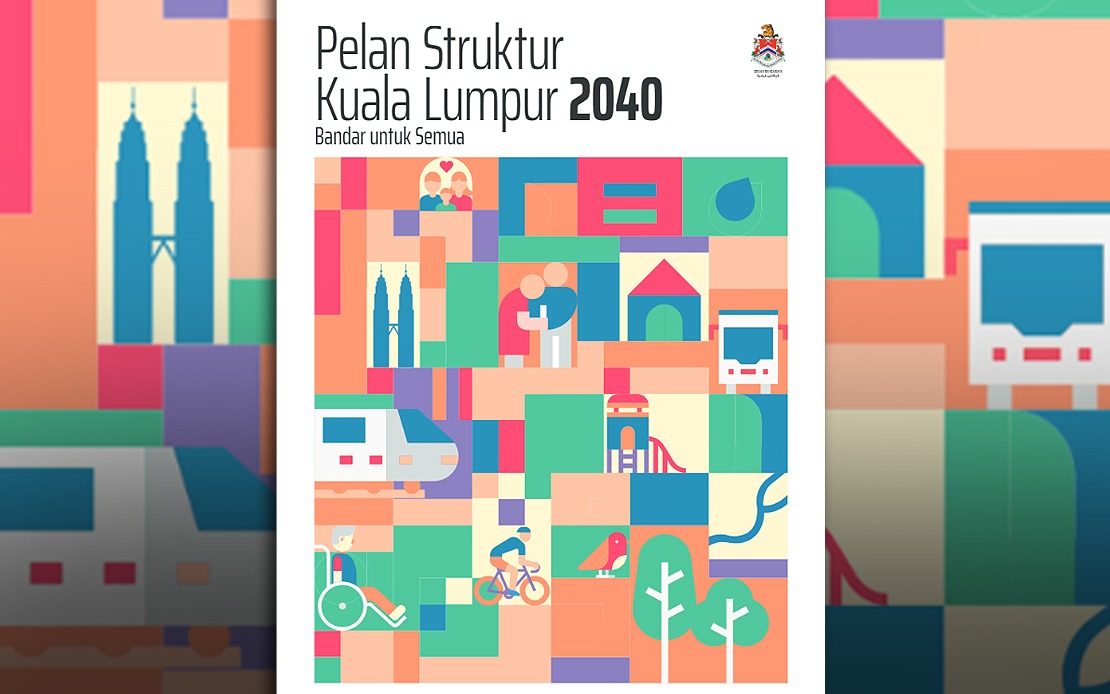
Kuala Lumpur City Hall (DBKL) has granted stakeholders a reprieve by extending the application window for proposed amendments to the Kuala Lumpur Local Plan 2040 (PTKL2040) until 5 pm on August 7. The extension represents DBKL's acknowledgement that comprehensive planning submissions require adequate preparation time, particularly for registered landowners, developers and other interested parties navigating the formal amendment process.
The decision to extend the deadline stems from DBKL's recognition that preparing robust, compliant applications demands careful coordination of multiple components. Applicants must assemble Letters of Intent that articulate the rationale behind their proposed changes, coupled with precise location diagrams or site plans and current land title documentation. This multi-layered documentation requirement means that incomplete or hastily assembled submissions are likely to face rejection, making the extended timeline a practical accommodation for those serious about pursuing amendments.
The amendment pathway operates within the regulatory framework established by Section 17 of the Federal Territory (Planning) Act 1982 (Act 267), which delineates the formal procedures for modifying the city's master development strategy. This legislative foundation ensures that any alterations to the PTKL2040 follow established protocols designed to balance individual development interests with broader urban planning objectives. The process itself is structured to prevent ad hoc changes that might undermine the plan's coherence or public interest protections.
Applicants must navigate submission procedures by presenting their documentation directly to the director of the City Planning Department (JPRB), located on Level 9 of Menara DBKL 1 on Jalan Raja Laut, or through electronic submission channels. This dual-channel approach accommodates different preferences among stakeholders while maintaining institutional oversight. DBKL's provision of multiple submission pathways reflects contemporary administrative practices that recognise the diversity of applicant circumstances and technological accessibility.
For those whose proposed amendments require comprehensive analysis, DBKL stipulates engagement of a Registered Town Planner to prepare a Local Plan Amendment Proposal Report (LCPPT). The extent of professional involvement correlates with application scope, meaning straightforward modifications may necessitate less extensive professional documentation than complex or large-scale proposals. This calibrated approach prevents unnecessary bureaucratic burden while ensuring technical adequacy for substantial amendments.
Resource availability is crucial to the amendment process's success. DBKL has made the Application Checklist and the Kuala Lumpur LCPPT Manual accessible through the Kuala Lumpur Development Plan website, democratising access to technical guidance that would otherwise require costly professional consultation. These publicly available resources represent a positive transparency measure, enabling property owners and smaller developers to understand requirements without immediately engaging consultants.
The extended deadline carries broader implications for Kuala Lumpur's ongoing urban development trajectory. The PTKL2040 serves as the city's strategic planning framework through 2040, guiding land-use allocation, infrastructure investment and development priorities across multiple sectors. Permitting mid-stream amendments acknowledges that comprehensive 20-year plans inevitably encounter changed circumstances, emerging opportunities or previously unconsidered possibilities that warrant formal reconsideration.
From a Malaysian governance perspective, this extension demonstrates DBKL's attempt to balance competing interests between maintaining planning certainty and accommodating legitimate requests for plan modifications. Overextending timelines could create uncertainty that undermines investment confidence, while overly restrictive deadlines may exclude meritorious proposals lacking resources for rapid professional engagement. The administrative balance struck here reflects the ongoing tension facing Malaysian urban authorities.
For Malaysian developers and property investors, the extension provides strategic breathing room. Those with marginal timelines now possess additional weeks to marshal necessary documentation, consult town planners and refine their submissions. In a competitive development environment where planning approvals directly impact project feasibility, this extended window could translate into the difference between proceeding with viable projects or abandoning them due to regulatory formalities.
Economically, extending the amendment process underscores Kuala Lumpur's continued openness to development dynamism while maintaining planning discipline. The city faces pressure to remain competitive with regional development hubs across Southeast Asia, where streamlined planning processes attract capital. Simultaneously, Kuala Lumpur must preserve livability standards and environmental considerations that excessive ad hoc amendments might compromise.
Stakeholders should recognise that DBKL's extension represents not a blanket approval signal but rather procedural accommodation. Submission within the deadline does not guarantee approval; applications still undergo substantive evaluation against planning principles, consistency with PTKL2040 objectives and alignment with the city's long-term development vision. Quality of documentation remains paramount regardless of submission timing.
The rephrased deadline emphasises DBKL's preference for complete, orderly applications over rushed submissions. This administrative philosophy reflects professional urban planning practice, which recognises that deficient applications create downstream complications, inconsistent decision-making and potential legal challenges. By encouraging thorough preparation, DBKL aims to establish a submission pool of evaluable proposals rather than managing waves of incomplete filings requiring repeated revisions.

