Kuala Lumpur City Hall (DBKL) is executing a comprehensive administrative transformation, having implemented 16 reform initiatives over the past half-year in response to a damaging anti-corruption performance rating. The institutional overhaul came after DBKL achieved only 0.08 per cent of the available 5 per cent score in the Public Service Corruption Ranking component of the 2025 Local Authority Star Rating System, a result that alarmed the municipal authority and prompted decisive action to restore public confidence and institutional integrity.
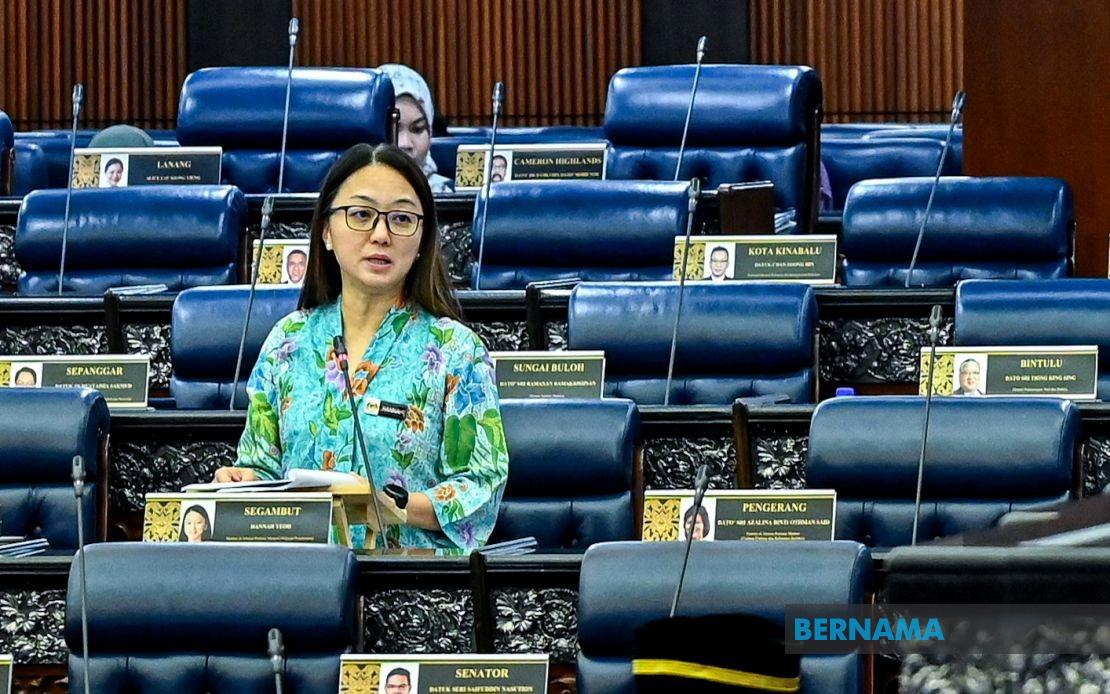
Federal Territories Minister Hannah Yeoh, speaking during parliamentary Question Time, outlined the scale and urgency of the reforms. The poor showing triggered a comprehensive diagnostic process conducted by the International Islamic University Malaysia (IIUM) following discussions with Kuala Lumpur MPs in March. That assessment identified four critical areas demanding intervention: governance frameworks, administrative procedures, institutional integrity mechanisms, and public service delivery systems. Rather than treating the low score as an isolated incident, DBKL's leadership acknowledged systemic weaknesses requiring structural rather than superficial correction.
The Malaysian Anti-Corruption Commission (MACC) investigation had pinpointed five procedural vulnerabilities within DBKL's operations that demanded immediate remediation. These ranged across a radio station content production undertaking, the allotment process for Ramadan bazaar premises, oversight protocols for business licensing contracts, administration of sports competitions involving statutory bodies, and collection methods for residential housing rental payments. Each represented a distinct operational pipeline where institutional safeguards proved inadequate, creating opportunities for improper influence or mismanagement. Addressing these specific pain points became the foundation for systemic reform.
A landmark change involved dismantling the Special One Stop Centre (OSC) Committee structure entirely, a decision reflecting determination to prevent political actors from exercising improper leverage over development approvals. This separation of powers doctrine proved central to the reform philosophy. Simultaneously, DBKL opened the OSC 3.0 Plus Portal to all Kuala Lumpur MPs, enabling legislative representatives to scrutinise development applications and lodge objections before the mayor grants final approval. This transparency mechanism allows elected representatives greater visibility into decisions affecting their constituencies while establishing an additional accountability layer prior to formal authorisation.
Capping the mayor's discretionary contribution authority at RM3,000 represents another significant constraint on executive latitude. Larger expenditures now require Top Management Committee deliberation, fragmenting authority that previously concentrated in a single office and creating institutional friction designed to slow hasty or questionable spending decisions. This governance innovation reflects international best practice models that disperse decision-making power across multiple institutional actors rather than centralising authority in traditionally dominant positions.
DBKL has established three new institutional mechanisms to fortify governance architecture: an Audit Committee no longer chaired by the mayor, a Governance and Integrity Committee, and a Mayor's Contributions Committee. These bodies institutionalise oversight functions that previously lacked formal structure, creating dedicated forums for reviewing potential conflicts of interest and enforcing ethical compliance. The plurality of committees reflects recognition that no single officer should simultaneously manage operations and police their own conduct—a fundamental principle of institutional design that DBKL previously violated.
Personnel rotation policies targeting officers in sensitive roles represent another dimension of the reform strategy. DBKL recognises that extended tenure in single positions, particularly those involving licensing, contracts, or approvals, increases vulnerability to corruption pressure. Systematic movement of staff through different responsibilities disrupts the formation of corrupt networks and relationships with external actors seeking favourable treatment. Beginning in the fourth quarter of this year, DBKL will deploy body-worn cameras among enforcement personnel in phased rollout, introducing direct accountability for field operations and creating documentary evidence of interaction between officials and citizens.
Digitalisation emerges as perhaps the most transformative long-term reform initiative, directly addressing how technology can neutralise corruption opportunities. As of July, DBKL had introduced 170 online application services with a target of 180 end-to-end digital services by year-end. The e-Lesen licensing system eliminates reliance on traditional licence runners—intermediaries who historically facilitated corrupt transactions between applicants and officials—while integrating with the Departmental Enforcement System (SPJ) to create unified digital records. A new three-year licence validity period commencing July 1 reduces transaction frequency and associated corruption exposure, streamlining processes for business operators while diminishing official discretion.
The strategic vision articulated by Hannah Yeoh emphasises shifting DBKL's culture from individual decision-making centred on the mayor's discretion toward collective governance anchored in institutional frameworks and ethical standards. This represents cultural transformation alongside structural change—recognition that procedures alone cannot ensure integrity without underlying commitment to accountability principles. By 2030, DBKL targets complete digitisation of all applications, creating an audit trail for every transaction and rendering informal arrangements increasingly difficult to conceal.
For Malaysian readers, these developments carry broader implications. Local authorities exercise significant influence over urban life—approvals determine commercial viability, bazaar access affects small traders, and licensing delays burden entrepreneurs. Corruption in municipal administration typically proves less visible than national-level scandals but directly damages quality of life and economic opportunity. DBKL's reforms suggest federal leadership takes this dimension seriously, using measurable anti-corruption rankings to drive institutional change. The approach combining structural reform, technological transformation, and distributed decision-making authority offers a template potentially applicable to other municipal corporations and statutory bodies throughout Southeast Asia facing similar governance challenges and public trust deficits.

