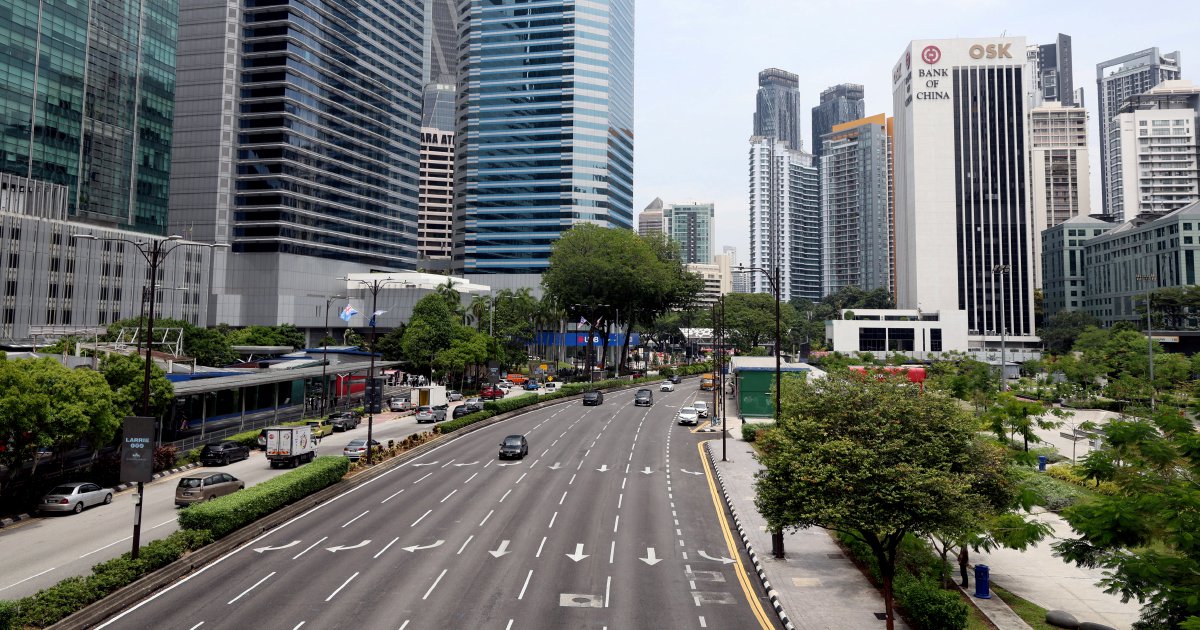
Kuala Lumpur City Hall (DBKL) has initiated a comprehensive technical investigation following a fatal tree collapse, with immediate action taken to assess the safety of mature and potentially dangerous trees positioned along major arterial roads throughout the capital. The incident has prompted city authorities to prioritise a systematic inspection programme targeting trees that may pose significant public safety risks across the urban landscape.
The fatal incident underscores longstanding concerns about tree maintenance in Malaysia's capital, where rapid urban development and climate pressures have created challenging conditions for aging tree stock. Many mature trees in high-traffic areas have been subject to inadequate upkeep, compounded by soil compaction from underground infrastructure and changing water tables. The collapse highlights how structural failures in apparently established specimens can occur without obvious warning, raising serious questions about the adequacy of current monitoring protocols.
DBKL's investigation will likely examine multiple factors contributing to the failure, including soil stability, root system integrity, prior damage from previous storms or maintenance work, and the tree's overall structural soundness. Arborists examining such incidents typically assess whether the specimen was already compromised by disease, pest damage, or previous trauma that weakened its load-bearing capacity. Understanding these causative factors is essential for preventing similar tragedies elsewhere in the city.
The inspection programme represents a significant administrative undertaking, given the thousands of mature trees lining Kuala Lumpur's roads and public spaces. Authorities must prioritise high-risk corridors where tree falls could result in catastrophic consequences—major traffic arteries, areas near residential buildings, zones adjacent to schools and hospitals, and locations frequented by large numbers of pedestrians. This risk-based approach allows limited resources to be deployed most effectively where public safety is most vulnerable.
For ordinary residents and commuters, the implications are troubling. Many Malaysians depend on mature roadside trees for shade and environmental benefits during daily journeys through the sweltering capital. Yet the discovery that apparently healthy trees can suddenly collapse creates justified anxiety about personal safety. Decisions about tree retention versus removal during maintenance cycles will become far more scrutinous, and public confidence in municipal tree stewardship will likely decline unless authorities demonstrate competent, evidence-based management going forward.
The incident also raises broader Southeast Asian considerations. Many cities across the region—from Bangkok to Jakarta to Singapore—maintain comparable urban tree stocks in tropical climates, often facing analogous maintenance challenges and resource constraints. How Kuala Lumpur responds to this crisis will be observed closely by other municipalities grappling with similar dilemmas about balancing green cover objectives against public safety imperatives. The region's rapid urbanisation has generally proceeded without adequate accompanying investment in arboricultural expertise and infrastructure maintenance.
DBKL's technical investigation will need to document precisely what structural or environmental factors precipitated the failure. Was the tree already diseased or weakened? Did recent weather events compromise stability? Were previous maintenance interventions inadequate or harmful? Did soil conditions beneath the tree deteriorate due to underground works or water mains? Establishing these causal chains is essential both for preventing future incidents and for managing potential liability claims and public inquiries.
The broader challenge for Malaysian city authorities lies in developing coherent, science-based tree management strategies that acknowledge competing urban demands. Mature trees provide invaluable ecosystem services—temperature moderation, stormwater absorption, air quality improvement, and psychological wellbeing benefits. Yet they also create genuine safety hazards if not properly maintained. Neither blanket preservation nor wholesale removal represents sensible policy; instead, Kuala Lumpur must invest in skilled arborists, regular condition monitoring, targeted maintenance, and transparent criteria for deciding when trees should be removed versus preserved.
The inspection programme now underway should incorporate standardised assessment tools and documentation protocols, enabling DBKL to build a comprehensive database of tree conditions across the municipality. Such information systems, when properly managed, become invaluable decision-making resources for urban planners and maintenance managers. Neighbouring Selangor and other Malaysian states facing similar tree management pressures could likewise benefit from Kuala Lumpur's experience, potentially establishing collaborative standards and sharing expertise.
Public communication will prove equally important as technical investigation. DBKL should transparently explain what happened, what risks remain, what remedial steps are being taken, and what timelines residents can expect. Citizens deserve clarity about which areas face heightened risks and what safety measures are being implemented. Clear communication builds public confidence and demonstrates that authorities take their duty of care seriously.
Ultimately, this incident serves as a reminder that modern urban management encompasses far more than roads and utilities; it fundamentally involves stewardship of living systems in high-density environments. Kuala Lumpur's response—whether it demonstrates genuine commitment to evidence-based arboricultural science or merely reactive crisis management—will shape public perception of municipal competence and establish precedents for years to come.

