Kuala Lumpur City Hall (DBKL) is moving to reduce bureaucratic friction for traders operating in Malaysia's capital through a trio of operational reforms designed to streamline permit processes and accelerate business recovery timelines. The three-pronged initiative, announced following consultations with business associations, establishes a standardised monthly permit fee of RM30 per set for tables and chairs placed on five-foot ways, streamlines approval pathways for minor construction and renovation works, and creates a clearer mechanism for reopening food premises that have been temporarily shuttered due to hygiene violations.
The permit structure for outdoor seating represents a shift towards greater affordability and clarity for street-level vendors and restaurant operators who rely on pavement extensions to maximise seating capacity. Under the new framework, traders can lodge applications through their respective DBKL constituency branch offices, with approvals determined by location suitability and the available width of the five-foot way. Critically, DBKL has incorporated safeguards into the approval criteria to ensure that pedestrian thoroughfares, wheelchair accessibility routes, and emergency vehicle passage remain unobstructed, protecting both public safety and accessibility rights whilst enabling commercial activity.
The second pillar targets minor renovation and maintenance works that pose minimal structural or safety risk. Previously, permits for activities such as tile replacement or ceiling refurbishment required formal applications and extended processing periods. Under the revised approach, applicants need only complete a basic notification form and alert DBKL through their constituency branch, with permits issued directly without unnecessary delay. This streamlining recognises that low-risk cosmetic and maintenance improvements should not be encumbered by the same administrative burden as structural alterations, thereby reducing compliance costs and encouraging premises upkeep.
For food service operators, the most consequential reform concerns the reopening pathway for premises ordered closed on hygiene grounds. Previously, the timeline for resumption of operations remained ambiguous and subject to variable interpretation across different DBKL branches. Under the new protocol, premises may seek reopening consideration as soon as 24 hours following completion of thorough cleaning and remediation work. However, DBKL emphasises that reopening is neither automatic nor guaranteed; the municipality will conduct mandatory inspections to verify that all hygiene and food safety standards have been comprehensively met before authorising resumed operations. This balance between expedited turnaround and rigorous oversight reflects attempts to support business continuity whilst maintaining consumer protection.
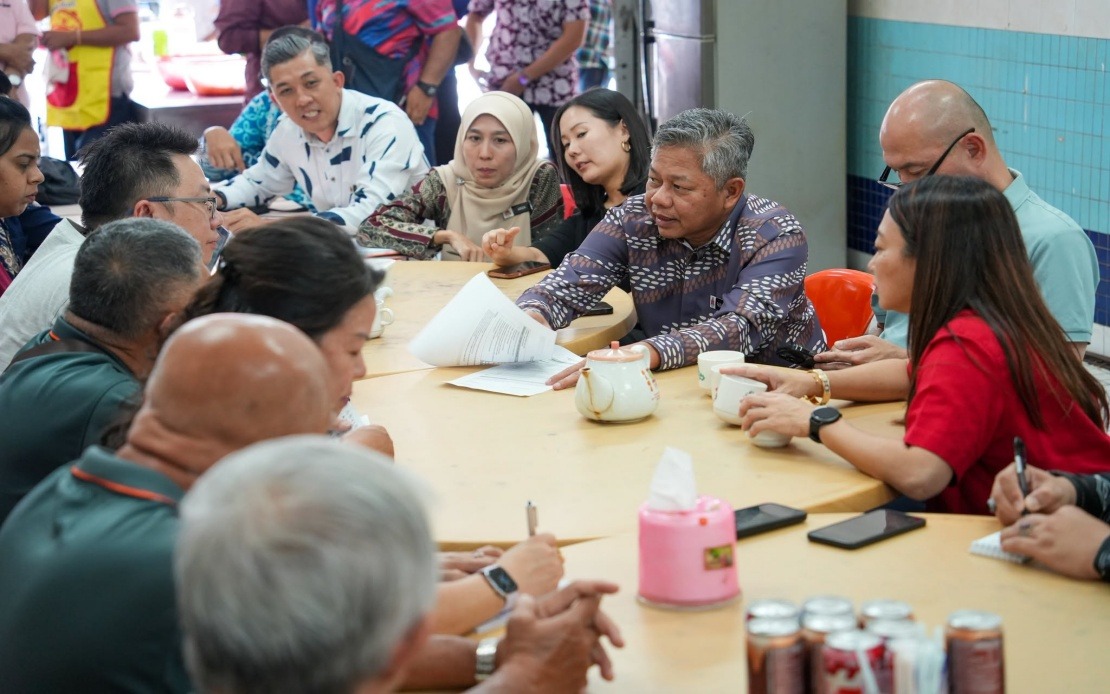
The initiatives emerged from structured engagement between DBKL leadership, Hannah Yeoh in her capacity as Minister in the Prime Minister's Department (Federal Territories), Kuala Lumpur Mayor Datuk Seri Fadlun Mak Ujud, and representatives of the Selangor and Kuala Lumpur Chinese Coffee Shop and Tea Shops Owners' Association. A separate consultation with the Malaysian Muslim Restaurant Owners' Association (PRESMA) in April similarly highlighted operational challenges faced by food premises operators, particularly concerning closure and reopening protocols. These structured dialogues signal a broader commitment to incorporating stakeholder perspectives into regulatory design.
Central to the reforms is a commitment to standardisation and consistency across all DBKL constituency branches. Historically, the municipal authority has faced criticism for uneven application of regulations and procedures, with officers in different branches interpreting requirements differently or applying discretionary powers inconsistently. By establishing transparent, uniform processes, DBKL aims to provide traders with predictability whilst simultaneously constraining opportunities for inconsistent or potentially corrupt enforcement. Standardisation also facilitates officer training and accountability, ensuring that frontline staff understand their obligations and the rationale underpinning regulatory decisions.
From an economic perspective, these measures acknowledge that excessive regulatory friction imposes hidden costs on small and medium enterprises, diverting resources from productive activity towards compliance administration. Street-level traders operating with limited capital and minimal back-office infrastructure face particular challenges navigating complex permit systems. The simplified procedures and transparent fee structures directly reduce these friction costs, particularly benefiting the coffee shop and restaurant sectors, which form a substantial portion of Kuala Lumpur's informal and formalised food service ecosystem. For traders already operating within compliance frameworks, the reforms provide welcome relief from administrative burden.
The reopening framework carries particular significance for food service operators, who face livelihoods disruption whenever hygiene violations trigger closure orders. Food premises violations—ranging from pest infestations to temperature control failures—can occur despite operator diligence and may be rapidly remedied through cleaning and equipment repairs. The 24-hour reassessment window acknowledges this reality whilst preserving DBKL's inspection authority to confirm remediation. This approach balances business survival imperatives against public health accountability, addressing a persistent pain point in trader-municipality relations.
Context matters significantly for understanding these reforms. Kuala Lumpur hosts Southeast Asia's most competitive street food and informal dining scene, with hawkers and small operators contributing substantially to the capital's cultural identity and economic vitality. The municipal administration faces ongoing pressure to enhance the city's liveability and business-friendliness whilst maintaining public health, safety, and accessibility standards. These three measures represent pragmatic adjustments that acknowledge operators' operational realities without compromising regulatory objectives. They also reflect broader regional trends towards smart regulation that reduces unnecessary bureaucratic load whilst targeting enforcement resources toward genuine risk areas.
The universality of these provisions merits emphasis. DBKL explicitly stated that improvements apply uniformly to all traders meeting stipulated requirements, regardless of background or premises type. This universalist framing distinguishes the measures from ad hoc discretionary arrangements that might benefit connected operators whilst disadvantaging others. Transparent, uniform application reduces corruption incentives and builds trader confidence in municipal processes. For Malaysian businesses and regulatory observers, the approach demonstrates how municipal authorities can enhance operational efficiency and stakeholder relationships through structured, evidence-based procedural reform rather than through regulatory laxity or selective favour.
Implementation effectiveness will ultimately determine whether these reforms deliver promised benefits. DBKL will need to ensure that branch offices apply procedures consistently, that timelines are met, and that inspectors apply safety and hygiene standards rigorously. Trader feedback mechanisms should be embedded to identify implementation gaps or unintended consequences. Success would position these measures as a model for other Malaysian municipalities seeking to balance business facilitation with public interest protection, whilst demonstrating that regulatory efficiency and safety maintenance are compatible objectives rather than competing priorities.

