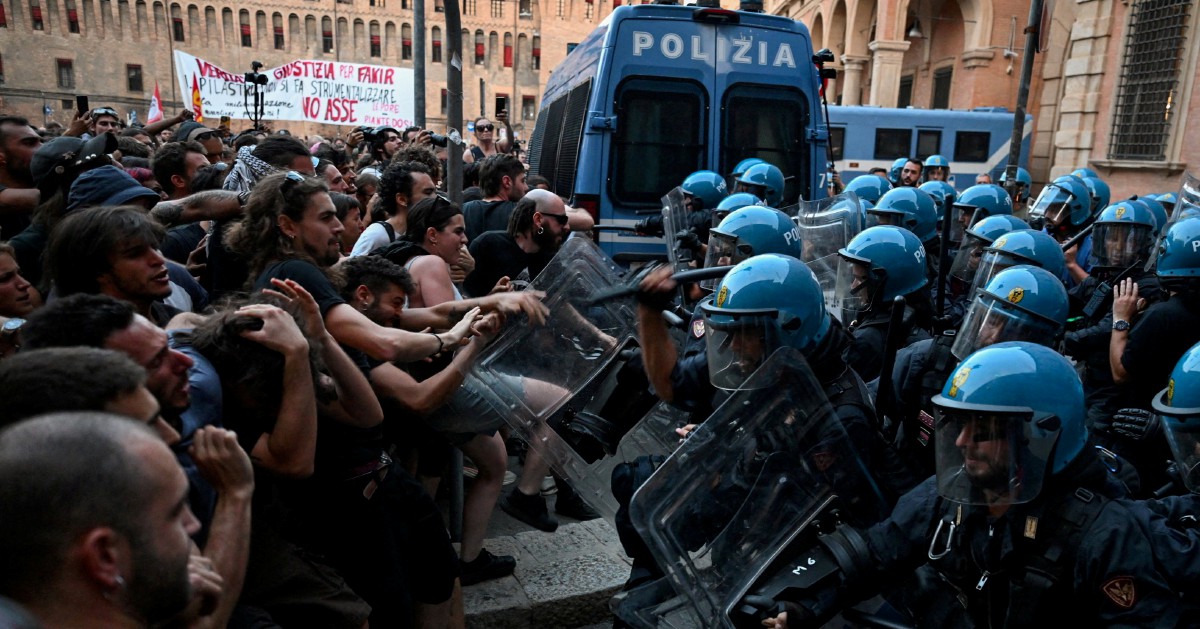
The death of a Moroccan national during an arrest operation in Italy has escalated into a significant diplomatic incident and catalyst for public demonstrations, drawing international attention to questions about police conduct and safeguards during law enforcement procedures. The incident has prompted Morocco to issue formal demands for comprehensive investigation and clarity, while Italian leadership has publicly committed to transparency and accountability in determining the circumstances surrounding the death.
Moroccan officials have signalled their determination to obtain full clarification regarding the events that led to the death of their citizen, reflecting broader concerns across North Africa about how migrants and foreign nationals are treated during police encounters in European countries. The diplomatic pressure from Rabat underscores the seriousness with which Morocco views the incident and the importance both nations place on upholding human rights standards in law enforcement.
Italian Prime Minister Giorgia Meloni responded to the incident by declaring that authorities must pursue the truth comprehensively and without limitation. Her statement appears designed to reassure both domestic constituencies and international observers that the investigation will be conducted with rigour and impartiality, though such pledges often face scrutiny given the complexities of investigating police conduct in sensitive cases.
The death has ignited street demonstrations across Italy, with protesters expressing concerns about police practices and the treatment of migrants and foreign nationals during arrests. These protests reflect deeper societal anxieties about policing methods and whether adequate safeguards exist to prevent loss of life during routine law enforcement operations. For many demonstrators, the incident represents a broader pattern of vulnerability faced by marginalised communities during police interactions.
The circumstances of the Moroccan man's death remain subject to investigation, but the speed with which the incident has galvanised both diplomatic responses and public action suggests the case has struck a chord regarding fundamental questions about accountability and oversight in law enforcement. How Italian authorities handle the investigation will likely influence perceptions of police accountability in the country for some time.
For Malaysia and other Southeast Asian nations, this incident carries instructive lessons regarding how countries manage sensitive cases involving the deaths of citizens abroad. Southeast Asian governments frequently advocate for transparent investigations and fair treatment of their nationals in foreign jurisdictions, making this Italian case relevant to broader conversations about how nations should respond when their citizens die under contested circumstances during law enforcement activities in other countries.
The diplomatic dynamics between Morocco and Italy also illuminate how nations navigate tensions between respecting state sovereignty in law enforcement matters and demanding accountability when serious allegations emerge. Morocco's approach—demanding full clarification rather than making specific accusations—reflects diplomatic restraint while maintaining pressure for answers, a strategy that other nations employ when seeking justice for their citizens without escalating tensions further.
The investigation into this death will inevitably examine whether proper procedures were followed, whether medical assistance was provided promptly, and whether the force used was proportionate to the circumstances. These technical questions become legally and diplomatically sensitive when they involve citizens from another nation and when public demonstrations raise the profile of the case beyond typical law enforcement matters.
Italian authorities must balance several competing pressures: demonstrating genuine commitment to investigating thoroughly, maintaining public confidence in law enforcement, managing international relations with Morocco, and ensuring any investigation produces findings that withstand legal scrutiny. The intensity of public attention and diplomatic interest will likely push investigators toward greater transparency than might otherwise characterise such inquiries.
For migrant communities and civil society groups across Europe and beyond, this incident serves as a reminder of the stakes involved in police encounters and the importance of establishing clear protocols and oversight mechanisms. The case will probably feature in discussions among human rights organisations and in diplomatic forums when issues of migrants' rights and police accountability arise.
The broader context matters here: Italy, like much of Europe, has grappled with migration-related policy challenges in recent years. Incidents involving migrants or foreign nationals during police operations can quickly become flashpoints for broader political and social debates about immigration, security, and integration. This particular death thus carries significance beyond the individual tragedy, affecting public discourse about policing and belonging in Italian society.
As both countries await the investigation's findings, the pressure for credible answers will remain intense. Morocco's formal demand for clarification signals that this case will not fade from diplomatic attention quickly, while the street protests indicate that Italian civil society expects meaningful accountability. The investigation's transparency and its findings will shape how both countries' governments handle similar situations in future.

