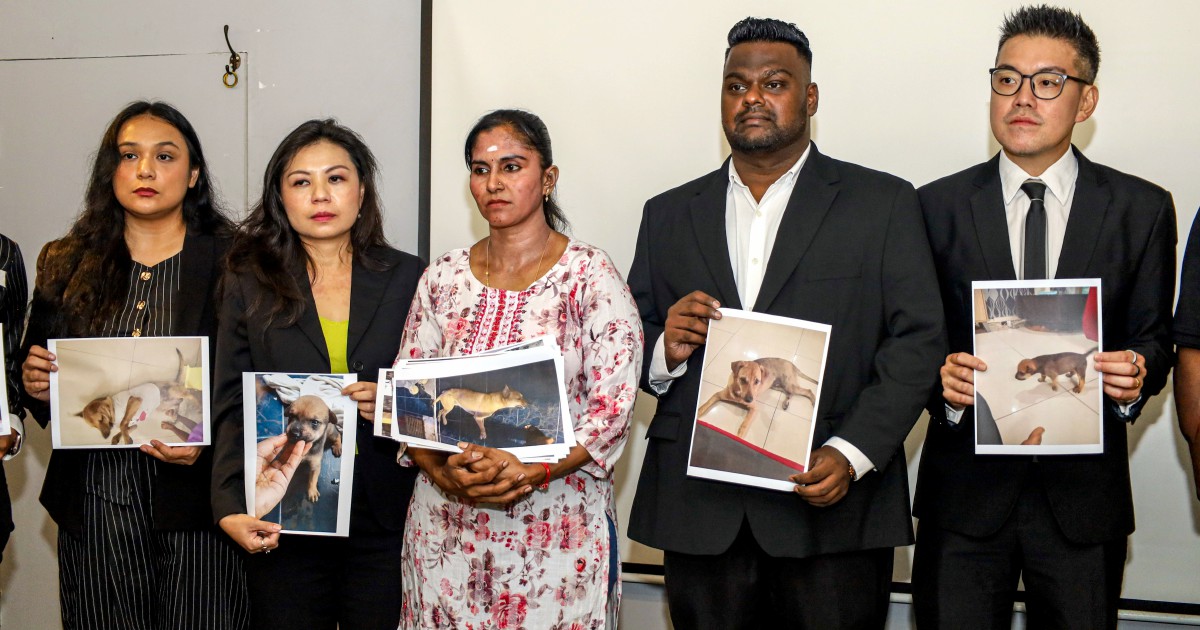
A pet dog's death in Port Klang has reignited concerns about the methods employed during stray animal control operations, with the animal's owner demanding accountability and transparent procedures from local authorities. Rocky, a domestic dog from Taman Teluk Gedung Indah, died following an incident that occurred when officers attempted to apprehend stray animals in the residential neighbourhood. The owner's call for a thorough investigation highlights a growing tension between urban management and animal welfare in Malaysian residential areas, an issue that resonates with many pet owners across the Klang Valley and beyond.
The incident raises critical questions about the standard operating procedures that govern how local councils and contracted animal services handle dog-catching operations. In many Malaysian municipalities, these operations are carried out by third-party contractors or council enforcement teams with varying levels of training and oversight. The circumstances surrounding Rocky's death suggest a breakdown in either protocol adherence or in the guidelines themselves, prompting residents to question whether current procedures adequately protect domestic animals from harm during stray dog management efforts. This concern becomes particularly acute in densely populated residential areas where stray animals and family pets may be in close proximity.
The location in Taman Teluk Gedung Indah, a residential development in Port Klang, underscores how stray dog issues penetrate even established housing estates. Many Malaysian neighbourhoods struggle with unmanaged stray populations, creating legitimate public health and safety concerns that necessitate intervention. However, the challenge for municipal authorities lies in executing necessary animal control without inflicting preventable harm on innocent household pets, a balance that appears to have been lost in this case. The incident demonstrates that the problem extends beyond individual recklessness to encompass systemic gaps in training, supervision, and accountability mechanisms.
Forensic examination of what transpired requires scrutiny of multiple factors. Did officers possess proper identification of stray versus domestic animals? Were there protocols requiring verification before removal? Did supervision mechanisms exist to monitor field operations? Were there channels for residents to report concerns in real-time? The absence of satisfactory answers to such questions compounds the grief and anger experienced by Rocky's owner, transforming a localized tragedy into a catalyst for broader procedural reform. Many pet owners in Malaysia now fear that their animals could face similar fates, particularly if they happen to escape temporarily or if identification documentation is unavailable during an operation.
The call for transparency reflects a broader expectation that government agencies operating in residential communities should maintain accountability standards comparable to those in other professional fields. Dog-catching operations should involve documented procedures, trained personnel, clear communication with residents, and accessible complaint mechanisms. Currently, many Malaysian residents report difficulty in obtaining information about why operations occurred, how they were conducted, and what safeguards existed. This opacity fuels suspicion and reduces public confidence in local authorities' commitment to responsible animal management.
From a legal and regulatory perspective, the incident invites examination of whether existing animal welfare legislation adequately covers municipal operations. Malaysia's Animal Welfare Act provides protections against cruelty, but enforcement and application in the context of control operations requires clarification. If officers used excessive force during capture, this potentially constitutes an offense under existing law, yet many cases go unaddressed due to unclear investigative procedures or reluctance to pursue officials. Establishing clear legal precedent through transparent investigation of Rocky's death could strengthen protections for other animals.
The incident carries implications beyond Port Klang, affecting how municipal corporations across Selangor and other states approach animal control contracting and operations. Many councils contract these responsibilities to private firms with minimal performance oversight, creating environments where substandard or inhumane practices can occur unchecked. A comprehensive response should involve standardizing operational procedures, implementing mandatory animal welfare training for all personnel involved in capture operations, installing supervision mechanisms such as body cameras, and creating accessible reporting channels for complaints. Such measures would demonstrate municipal commitment to balancing legitimate stray animal management with animal welfare obligations.
Public sentiment regarding stray animals in Malaysia remains mixed. While many residents recognize the genuine dangers posed by unmanaged stray populations—including potential attacks and disease transmission—there is equally strong concern about cruel treatment and disproportionate harm to innocent pets. This case illustrates why the solution cannot involve choosing between public safety and animal welfare; rather, municipalities must invest in humane, professionally executed programs that achieve both objectives. The absence of such investment represents a policy failure that affects community confidence in local governance.
The investigation into Rocky's death should include examination of personnel qualifications, training curricula, incident reporting systems, and disciplinary frameworks. Were those involved in the incident adequately trained for the task? Did their employer provide welfare-focused guidance? What mechanisms existed to address concerns during the operation? Could the incident have been prevented through different procedures? These questions demand rigorous investigation that moves beyond superficial findings to identify systemic shortcomings requiring correction.
Looking forward, the Port Klang incident presents an opportunity for Malaysian municipalities to recalibrate their approach to animal management. Progressive models in other countries emphasize community engagement, humane capture techniques, proper identification protocols, and transparent operations. Implementing similar approaches would require investment in training, equipment, and procedural development, yet the cost represents sound governance considering the community trust and animal welfare benefits generated. Rocky's death, while tragic, need not be meaningless if it catalyzes substantive improvements in how Malaysia's municipalities manage animal control operations, ensuring that future interventions prioritize both public safety and animal welfare.
The broader lesson extends to how Malaysian government agencies approach operational transparency and accountability. Citizens increasingly expect explanations for official actions affecting their communities and possessions, including their pets. Responsive local governance requires establishing mechanisms through which residents understand why operations occur, how they're conducted, and how complaints will be addressed. The demand for investigation into Rocky's death reflects not merely one family's grief but a community expectation that governance should protect both public interests and individual welfare.

