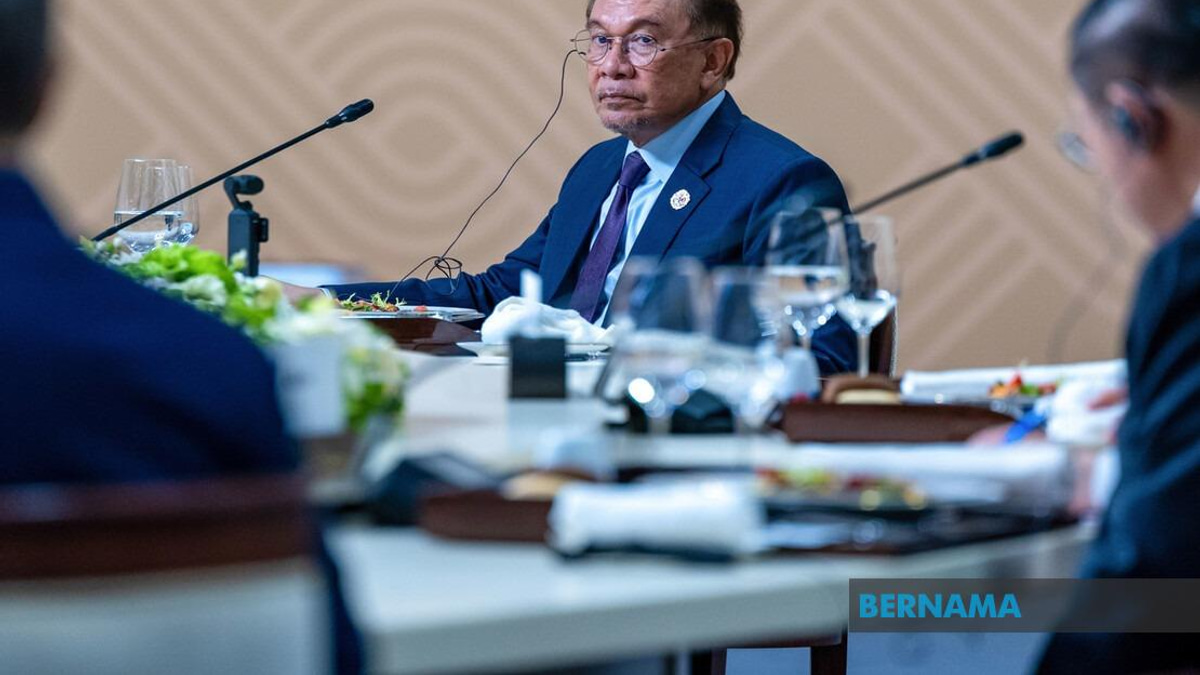
Khaled has pushed for an urgent acceleration of the investigation into fatalities occurring during grenade training operations, signalling serious concern about safety protocols within Malaysia's armed forces. The call for expedition represents an official acknowledgment of the gravity surrounding the incident and reflects broader political pressure to establish accountability swiftly. This move signals that military leadership is treating the matter with considerable urgency, particularly given Malaysia's reliance on maintaining public confidence in defence institutions.
In response to the training deaths, the military has enacted a comprehensive moratorium on all grenade-related exercises across its formations. This suspension remains in effect throughout the duration of the investigative process, effectively halting a critical component of soldier readiness preparation nationwide. The decision underscores the severity of safety concerns that precipitated the fatalities and indicates the armed forces' commitment to preventing further incidents during training operations.
The suspension of grenade training carries substantial implications for Malaysia's defence capabilities and soldier preparedness. Grenades represent a fundamental aspect of infantry training, and any extended pause in related exercises could affect the operational readiness of units. The military must balance the pressing need for comprehensive investigation with maintaining adequate training schedules for personnel across the service branches, creating a challenging operational and strategic calculus.
Grenade training accidents, while uncommon in well-regulated military environments, carry heightened public and parliamentary attention when they occur. The Malaysian defence sector has faced scrutiny in recent years regarding training safety standards and equipment conditions. This incident has reignited conversations about whether existing protocols and oversight mechanisms are sufficiently rigorous to prevent similar tragedies, particularly given the inherent risks associated with explosives handling.
The investigation itself will likely examine multiple dimensions of the incident, including whether proper safety procedures were followed, the condition and specification of equipment used, the training and certification status of supervising personnel, and environmental factors that may have contributed to the deaths. Such multifaceted inquiries typically require coordination across military branches and potentially external expertise from specialists in explosives safety and training protocol assessment.
For Malaysian military personnel and their families, transparency in investigation outcomes carries particular weight. Service members and their relatives require assurance that the armed forces takes casualties during training with utmost seriousness and that systemic improvements will follow any findings. Public confidence in military institutions depends substantially on perceived commitment to soldier welfare and accident prevention, making the investigation's credibility and thoroughness critically important.
Regionally, Malaysia's military maintains significant operational commitments and partnerships with allied nations. Any significant gap in training capacity, particularly affecting infantry readiness, could have implications for regional security cooperation and joint exercises. Partner nations may monitor the situation to assess how Malaysia addresses training safety, as such standards often inform confidence in collaborative defence initiatives across Southeast Asia.
The defence minister's public call for expedition also reflects political dimensions. Military mishaps during training can become politically sensitive matters, with opposition and civil society scrutiny intensifying if processes appear sluggish or inadequately transparent. By publicly demanding rapid investigation completion, the government demonstrates responsiveness to what will inevitably become a parliamentary issue, potentially heading off criticism about institutional negligence or bureaucratic delays.
Previous military incidents in Malaysia have occasionally revealed gaps between official procedures and actual implementation at unit level. Training deaths often expose weaknesses in supervision, equipment maintenance, or adherence to established safety protocols. The investigation will likely determine whether this incident reflects isolated lapses or broader systemic issues requiring institutional reform and enhanced oversight mechanisms throughout the armed forces training apparatus.
Once investigation findings emerge, the military faces decisions about protocol amendments, retraining requirements for supervisory personnel, and potentially equipment upgrades or replacements. These outcomes will directly influence when and how comprehensively grenade training can resume. The defence ministry must ensure that remedial measures address root causes rather than implementing superficial changes that leave underlying vulnerabilities unresolved.
The suspension period also provides opportunity for the armed forces to review and strengthen training safety frameworks more broadly. Beyond grenades, this incident may prompt comprehensive assessment of other high-risk training activities and whether existing safeguards adequately protect service members across the full spectrum of defence preparation activities. Such institutional reflection, though prompted by tragedy, can yield improvements benefiting overall military safety culture.
For Malaysian civilians following this matter, the incident highlights the genuine dangers military personnel face during peacetime training operations. Public understanding of these risks often lags behind awareness of combat-related casualties, yet training deaths carry equal tragedy for affected families and equal importance for military accountability. The defence minister's push for swift investigation acknowledges this reality and commits the institution to answers that families and the public deserve.