The luxury fashion world has embraced a paradox that would have scandalized designers a generation ago. Intentionally damaged clothing—strategically torn hems, manufactured stains, pre-scuffed leather, and artfully applied grime—now commands top-tier prices from some of the world's most prestigious brands. This counterintuitive trend challenges everything we thought we understood about the relationship between quality craftsmanship and prestige in high fashion, raising questions about authenticity, value, and what consumers are truly paying for in the contemporary luxury marketplace.
Traditionally, flawless execution has been the cornerstone of luxury appeal. Immaculate tailoring, pristine finishes, and impeccable attention to detail have long separated designer goods from mass-market alternatives. The absence of defects—whether a crooked seam, a visible crease, or even a wayward food stain—signaled the meticulous care that justified astronomical price tags. This standard held for decades, creating a clear hierarchy where condition and preservation directly correlated with value and desirability.
Yet contemporary luxury has inverted this equation. Coach's "Loved Leather" collection, which launched last year with pre-distressed bags that immediately sold out, epitomizes this shift. The brand's decision to release additional versions in different colour tones this season reflects genuine consumer appetite for manufactured wear. Similarly, Chanel's reimagined 2.55 bag now arrives deliberately distorted, as though subjected to actual abuse. Prada's offerings feature intentional yellowish discoloration mimicking age and neglect, pieces that might otherwise be rejected at quality control checkpoints but instead command waiting lists.
For Malaysian consumers accustomed to equating luxury with pristine condition—a cultural association reinforced by the aspirational nature of designer goods in Southeast Asia—this trend requires recalibration. The deliberate embrace of damage represents a fundamental philosophical shift in how premium brands construct desirability. Rather than selling perfection, they're now monetizing a carefully curated aesthetic of decay, nostalgia, and the patina of time. This philosophy suggests that perceived authenticity and lived experience now hold greater cultural currency than flawlessness.
Designers across the spectrum are interpreting this "worn-in" aesthetic through distinct creative lenses. Ralph Lauren juxtaposes shredded denim with formal tailoring—pairing strategically ripped jeans with crisp dress shirts, waistcoats, and blazers, completing the ensemble with pristine penny loafers. This particular contrast between destruction and formality creates an intriguing tension that subverts traditional menswear codes. Burberry's stonewashed pink denim jacket and jeans, layered with an argyle V-neck sweater, channels a deliberately faded prep-punk sensibility that feels both nostalgic and deliberately constructed.
The elevation of distressed denim into high fashion reflects broader cultural acceptance of previously stigmatized aesthetics. Sandro's Spring/Summer 2026 offering combines cropped, studded vests with suede-trimmed shorts to evoke what the brand positions as "cowgirl cool." Louis Vuitton ventures into explicitly soiled territory with denim jackets artfully splattered with earth-toned mud and sandy grit—garments that visually document fictional outdoor exertion. Acne Studios pushes further, coating jeans in mud-slick patina and pairing them with deliberately crumpled denim jackets, essentially selling the visual narrative of careless abandonment.
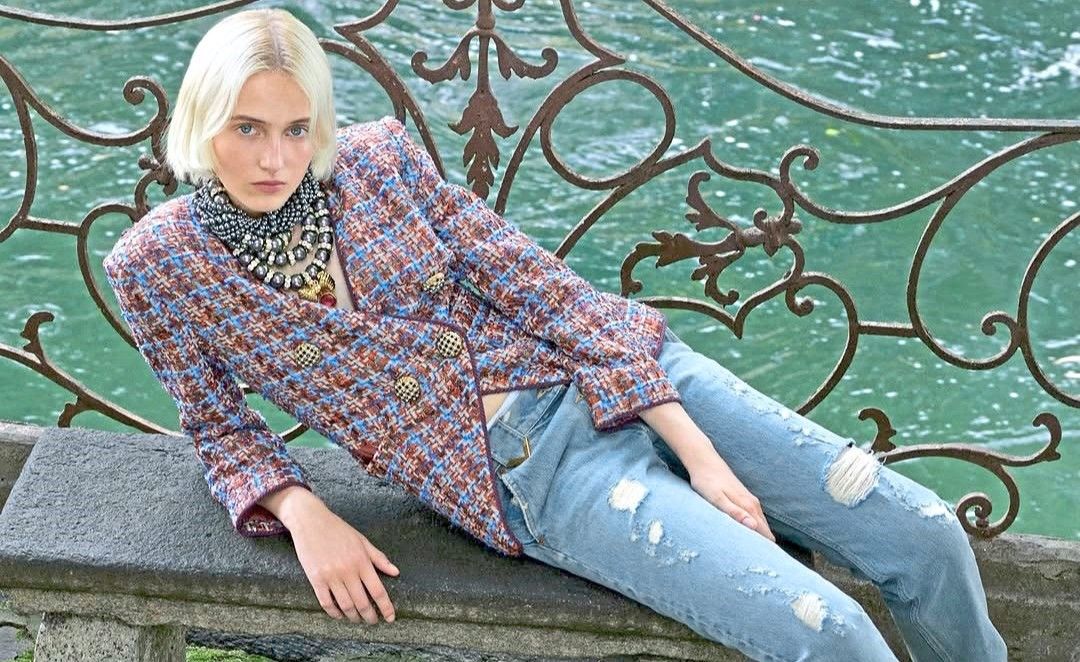
Valentino's approach proves perhaps most provocative. The Italian house traditionally associated with refined elegance and glamour introduces its Cruise 2027 line with a tweed jacket adorned with gold buttons paired deliberately with severely shredded jeans. Layered with multi-strand black pearl necklaces and studded golden heels, the combination represents a conscious articulation of imperfection as aspirational. The message is deliberately contradictory: that true luxury transcends the obsession with flawlessness, that wealth permits the indulgence of visible damage.
This trend carries specific implications for regional markets like Malaysia. The deliberate manufacture of damage inverts traditional assumptions about product value and longevity that continue to dominate consumer consciousness in Southeast Asia. Where durability and pristine condition historically justified premium pricing, this new paradigm suggests that aesthetic narrative—the story a garment tells about its owner's lifestyle, experience, and cultural positioning—now supersedes functional integrity. Consumers paying premium prices for pre-damaged goods are essentially purchasing a curated identity rather than utilitarian clothing.
The waiting lists accumulating around these deliberately distressed pieces suggest something deeper than mere novelty or ironic consumption. They indicate genuine market appetite for designs that challenge conventional luxury signifiers. The exclusivity derives not from scarcity of materials or manufacturing difficulty but from conceptual innovation—the willingness of designers to reframe degradation as desirability. This represents a significant cultural shift where perceived authenticity and unconventionality matter more than visible proof of craftsmanship.
For Malaysian fashion consumers, this trend invites reconsideration of what luxury actually represents in contemporary contexts. The glamorization of damage and decay stands in sharp contrast to earlier luxury paradigms where investment pieces were meant to transcend time and remain eternally pristine. Now, designers are explicitly selling transience, failure, and the visual markers of use. The irony deepens when considering that wealthy consumers purchase items engineered to look as though they cannot afford to maintain them properly.
This phenomenon also reflects broader generational shifts in how younger consumers construct meaning through fashion. Rather than viewing clothes as permanent investments requiring careful preservation, this aesthetic embraces impermanence, visual storytelling, and the romanticization of lived experience. The premium pricing attached to manufactured damage suggests that consumers increasingly value the conceptual boldness of design decisions over traditional markers of quality, a philosophy with profound consequences for how luxury will be defined in coming years.
Ultimately, the luxury industry's embrace of deliberate destruction reveals something fundamental about contemporary consumer psychology. We are willing to pay extraordinary sums not merely for materials or craftsmanship, but for permission to inhabit particular identities and tell specific narratives about ourselves. Whether purchasing pre-scuffed Coach bags, mud-splattered Louis Vuitton jackets, or deliberately shredded Valentino denim, consumers invest in the conceptual framework surrounding these items. The damage is not incidental—it is the entire point, the premium paid not for what the garment is but for what its carefully engineered imperfection communicates about its wearer.

