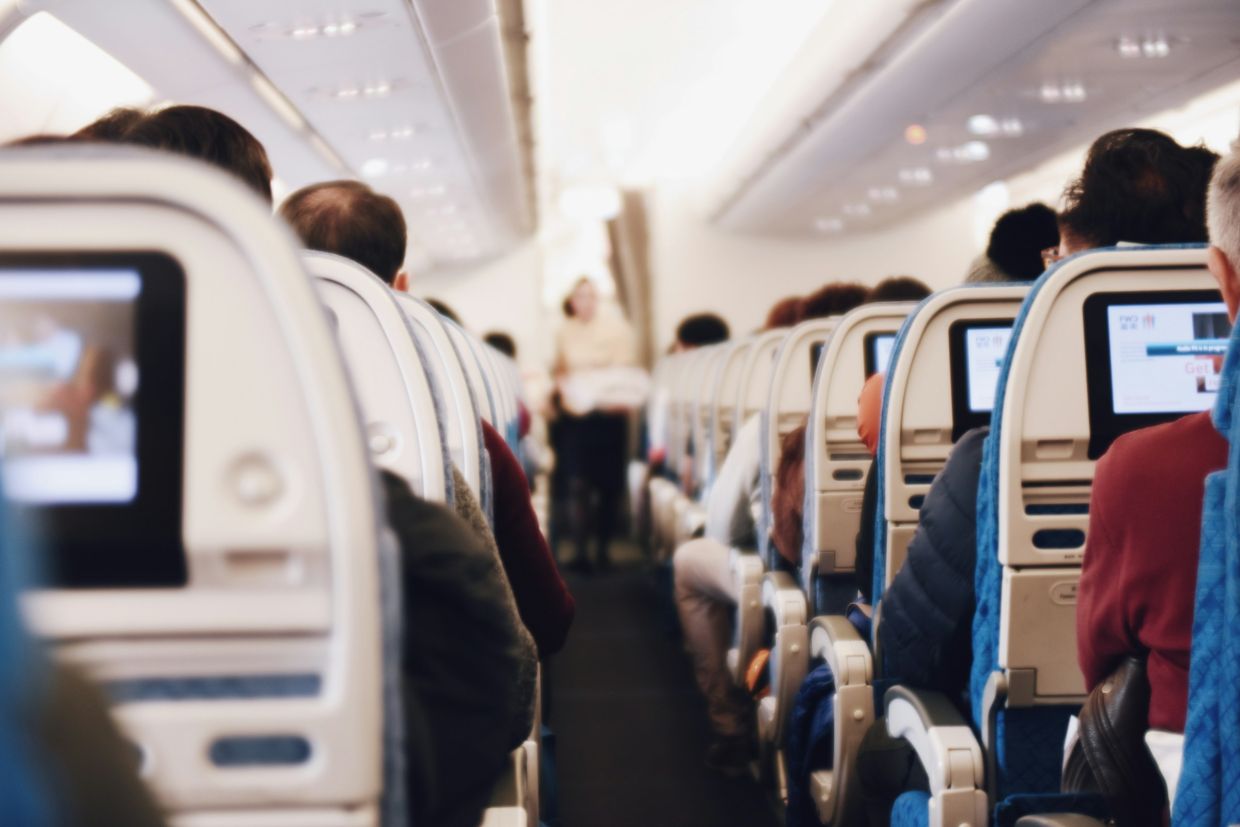
Delta Air Lines is investigating the unexpected activation of an unauthorised WiFi network that appeared on one of its aircraft during a flight from Las Vegas on Monday, 10 August. The incident occurred just one day after the city hosted Def Con, the world's largest gathering of cybersecurity professionals and ethical hackers. Spokesperson Morgan Durrant confirmed that the airline is collaborating with federal law enforcement and aviation regulators to understand how the network came to be active and whether it posed any security risks to passengers or crew.
The unauthorised WiFi remained active only briefly before flight crew on the Boeing 757 aircraft decided to shut down the plane's entire WiFi system for approximately 30 minutes as a precautionary measure. Despite the disruption to passenger connectivity, Durrant stressed that the incident did not represent a breach of any Delta computer system, nor did it trigger any emergency declarations from air traffic control personnel. The airline has been emphatic in its messaging that all critical aircraft operations remained unaffected and that passenger safety was never compromised by the event.
The Federal Bureau of Investigation has acknowledged awareness of what it describes as a "potential WiFi-related incident" on Delta Flight 591, which was heading to Atlanta from Las Vegas. Spokespeople for the bureau's Atlanta office indicated they are maintaining contact with relevant local and corporate partners but declined to release any additional details about their investigation at this stage. Their measured response suggests authorities are still in the early phase of gathering information and determining the precise nature and extent of the unauthorised network.
The Federal Aviation Administration has also launched its own inquiry into the matter. An FAA spokesperson clarified an important technical point for the public: a breach or disruption of an aircraft's onboard WiFi system carries no implications for the plane's essential safety systems, which operate on entirely separate networks and infrastructure. This distinction is crucial for understanding why the incident, while concerning from a cybersecurity perspective, posed no actual danger to those aboard the flight.
Def Con, which markets itself as the premier international forum for hackers and information security experts, is held annually in Las Vegas and attracts thousands of attendees from around the world. The timing of this WiFi incident—occurring immediately after the conference concluded—has naturally prompted speculation about whether an attendee may have been involved. A spokesperson for Def Con, Monika Hathaway, stated that the conference organisers had not yet been contacted by either Delta or law enforcement authorities. However, she indicated that Def Con plans to conduct its own independent investigation into whether any of its attendees played a role in the unauthorised network activation.
Hathaway was unequivocal in positioning the conference's stance: Def Con explicitly discourages and condemns illegal activities. Should evidence emerge that one of the conference's participants was responsible for the incident, the organisers have committed to imposing a permanent ban on that individual's future attendance. Hathaway also extended an apology to all those affected by the disruption, positioning Def Con as a responsible actor in the security community rather than a haven for malicious hacking.
The technical feasibility of the attack appears straightforward enough that it could have been executed by a relatively unsophisticated operator. According to Lennart Koopmann, founder of the cybersecurity firm Nzyme, which specialises in protecting against close-range wireless attacks, disrupting an existing WiFi network and replacing it with a rogue access point is comparatively simple. This two-stage technique allows the perpetrator to intercept and read unencrypted data being transmitted across the network by other users.
The equipment required to execute such an attack is remarkably accessible. Koopmann noted that battery-powered devices capable of performing this function are smaller than a cigarette packet, commercially available, and cost approximately US$250 (roughly RM1,022). Such devices are routinely employed by legitimate security professionals and penetration testers in their work, making them commonplace in the cybersecurity industry. The ubiquity and affordability of this technology means that almost anyone with basic technical knowledge attending a major hacking conference would have access to the necessary tools.
Based on these technical realities, Koopmann offered a hypothesis about what may have occurred: a passenger acquired one of these relatively inexpensive devices and decided to test it out aboard the aircraft. This scenario—someone experimenting with security tools in an unauthorised environment—represents a plausible explanation for the incident, though it remains speculation pending the completion of official investigations. Such conduct, regardless of the perpetrator's intent or technical sophistication, would constitute a serious breach of aviation security protocols and potentially violate multiple federal laws.
The incident highlights the evolving security challenges facing commercial aviation in an era when cybersecurity knowledge is increasingly democratised and when the tools to execute wireless attacks have become commodified. While authorities maintain that this particular incident caused no operational harm and posed no safety risk, it underscores the vulnerability of aircraft systems to interference and the necessity for rigorous protocols governing in-flight connectivity. For Malaysian and Southeast Asian carriers, the incident serves as a cautionary reminder of the need for robust cybersecurity measures aboard aircraft, particularly given the region's increasingly tech-savvy passenger base.
The investigation will likely take considerable time to reach conclusions, as Durrant indicated. Officials must reconstruct technical logs from the aircraft, examine passenger manifests against attendee lists from Def Con, and work through numerous potential leads. The outcome could inform updated security protocols across the entire airline industry regarding WiFi systems on commercial flights and may prompt aviation regulators globally to revisit their cybersecurity standards.

