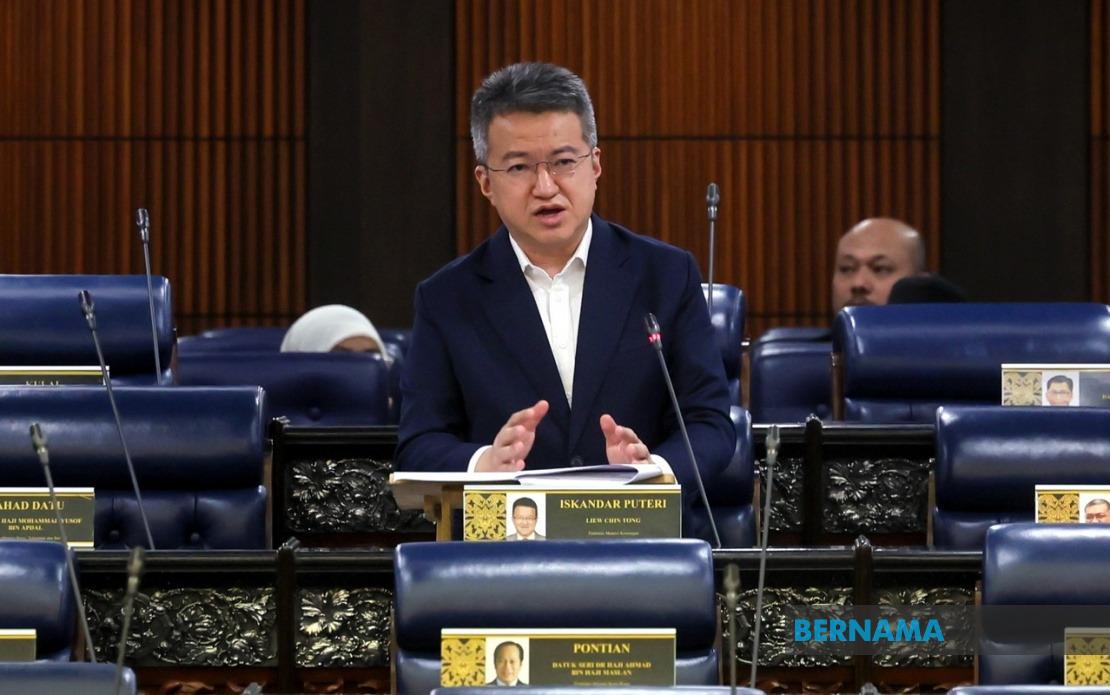
Deputy Finance Minister Liew Chin Tong has categorically denied allegations that Low Taek Jho—the fugitive businessman at the centre of one of the world's most significant corruption cases—entered Malaysia under cover of a Chinese delegation to conduct negotiations regarding the troubled 1Malaysia Development Berhad fund. The brief but emphatic denial came during parliamentary question time, when opposition member Syed Saddiq Syed Abdul Rahman raised claims circulating in media reports about such a clandestine meeting purportedly held in Malaysia late in the previous year.
The allegation specifically suggested that Jho Low had travelled to the country to participate in confidential talks aimed at structuring a repayment arrangement for 1MDB losses, potentially involving direct engagement with the Ministry of Finance. Such a development would have marked a dramatic shift in a case that has seen the accused individual remain outside Malaysian jurisdiction for years, evading arrest warrants and international legal processes. The denial takes on particular significance given that Jho Low has been consistently portrayed by authorities as the orchestrator of the entire 1MDB embezzlement scheme, making any negotiated settlement with him a politically and legally sensitive matter.
In providing a comprehensive update on the government's ongoing efforts to recover stolen funds and hold accountable those responsible for the scandal, Liew outlined the multi-pronged approach being pursued through both criminal and civil legal channels. The strategy extends to prosecuting former Prime Minister Datuk Seri Najib Tun Razak, whose administration oversaw 1MDB during the period when massive misappropriation occurred. Earlier this month, on 26 December 2025, the High Court delivered a significant verdict against Najib, sentencing him to 15 years' imprisonment and levying a financial penalty of RM11.38 billion after finding him culpable on 25 separate charges encompassing money laundering and the abuse of his governmental authority to secure bribes linked to the development fund.
The civil recovery efforts extend broadly across multiple defendants and targets substantial asset seizures. Against Datin Seri Rosmah Mansor, wife of the former premier, the government has mounted a civil action seeking damages valued at approximately US$380 million (equivalent to roughly RM1.56 billion). This claim specifically relates to allegations that funds misappropriated from 1MDB were converted into high-end luxury purchases, ranging from designer handbags to premium jewellery pieces. The itemised nature of these luxury acquisitions has rendered the case symbolically potent in public discourse, highlighting the brazen nature of the alleged theft and the stark contrast between the vanishing of funds ostensibly intended for national development and their transformation into personal consumables.
Jho Low himself remains the focal point of the largest outstanding financial claim, with authorities pursuing civil proceedings that collectively seek to recover US$3.78 billion—approximately RM15.4 billion. This figure underscore the scale of his alleged involvement and the magnitude of losses attributable to his actions as the putative mastermind orchestrating the fund's misappropriation. Beyond the direct criminal prosecution mechanisms, the civil approach reflects a pragmatic recognition that international cooperation and asset-tracing operations may enable financial recovery even if criminal extradition remains elusive. The government has previously indicated efforts to locate and freeze assets held by Jho Low globally, recognising that the substantial wealth allegedly stolen has likely been redistributed across multiple jurisdictions and investment vehicles.
The broader context of 1MDB's collapse reveals the multifaceted nature of the damage inflicted upon Malaysia's interests and standing. Liew identified four distinct categories of losses extending well beyond the immediate financial theft. Direct financial losses represent the funds plainly misappropriated and transferred out of the country. The opportunity costs encompass the foregone returns and developmental investments that would have materialised had the fund operated according to its mandate. Irrecoverable losses refer to assets and positions that cannot be fully restored regardless of recovery efforts undertaken. Most significantly from a strategic perspective, the reputational damage to Malaysia's international standing has proven profound and enduring, complicating the nation's ability to attract foreign investment, secure favourable financing terms, and exercise diplomatic influence with partners concerned about governance and institutional reliability.
The 1MDB scandal fundamentally undermined confidence in Malaysia's institutional frameworks and regulatory oversight mechanisms. International observers questioned whether the country's regulatory authorities and law enforcement agencies possessed the capacity and political will to detect and prevent massive frauds operating at the sovereign wealth fund level. This institutional credibility deficit has carried ripple effects extending across Malaysia's financial sector more broadly, with foreign investors and financial institutions reassessing their risk assessments of engagement with Malaysian entities. The recovery process thus serves not merely to restore stolen finances but to demonstrate that Malaysia's institutional capacity has been reformed and strengthened to prevent recurrence.
The parliamentary exchange also underscores the continued political salience of the 1MDB affair despite the passage of several years since its collapse. Opposition members remain vigilant in scrutinising government handling of the scandal, particularly regarding any negotiations or settlements that might be pursued. The allegation about Jho Low's purported visit reflects broader concerns about whether behind-the-scenes diplomatic or financial arrangements might be negotiated that could compromise full accountability and comprehensive asset recovery. The Deputy Finance Minister's categorical denial should be understood in this context—as a reassurance to parliament and the public that no such negotiations are under way that might circumvent proper legal processes.
The recovery efforts continue to encounter substantial practical obstacles inherent to cross-border corruption cases involving sophisticated financial engineering and asset concealment. International cooperation mechanisms, while improving, remain inconsistent across jurisdictions, with some countries more forthcoming than others in assisting with asset tracing and freezing. The involvement of multiple jurisdictions, complex corporate structures, and the involvement of agents and intermediaries complicates the investigative and legal pathways. Nevertheless, the government's persistence in pursuing both criminal and civil proceedings reflects a determination to demonstrate that accountability for large-scale financial crimes will be pursued comprehensively and without compromise, regardless of the time and resources required.

