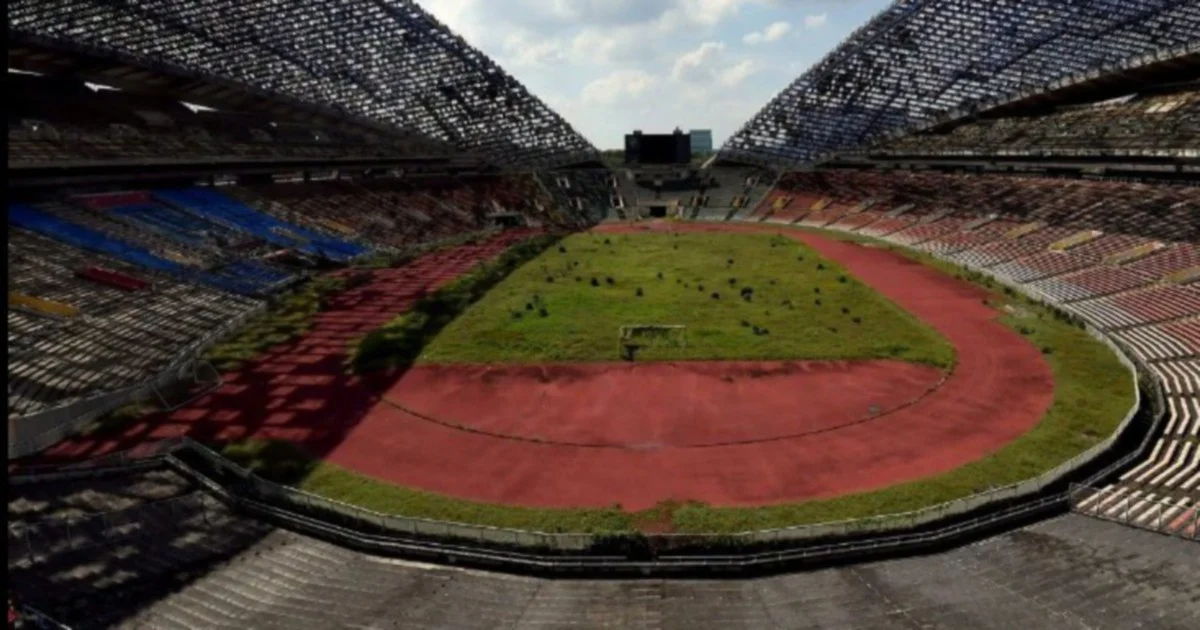
Malaysian Resources Corporation Bhd (MRCB) has obtained a consent judgment from the Shah Alam High Court against activist Abdul Razak Ismail, relating to digital publications about the demolition and redevelopment of Shah Alam Stadium. The company alleged that the activist's online content had inflicted economic harm on the corporation's interests and reputation regarding the contentious stadium project.
The consent order represents a significant legal victory for the major Malaysian developer in its dispute with the activist, who has been vocal about the stadium redevelopment programme. The judgment, reached through negotiated settlement rather than a contested trial, underscores the growing intersection between corporate interests and digital activism in Malaysia's property and infrastructure sector. Such orders have become increasingly common as large corporations respond to online criticism through legal channels.
Shah Alam Stadium has emerged as a flashpoint in debates surrounding urban regeneration and heritage preservation in Selangor. The facility, located in the state capital, holds cultural significance for many residents and sports enthusiasts. The planned redevelopment has attracted scrutiny from various quarters concerned about the project's scope, environmental implications, and impact on the local community. MRCB's role as the developer has placed the company at the centre of these discussions, making it subject to intense public scrutiny and online commentary.
Abdul Razak Ismail's activism reflects broader patterns of civic engagement in Malaysia, where individuals increasingly leverage social media and online platforms to amplify concerns about major development projects. The consent order against him signals how developers and corporations are employing litigation strategies to manage digital discourse surrounding their operations. This approach raises important questions about the balance between corporate protection and public discourse rights in an increasingly digitised society.
The economic damages cited by MRCB in its case reflect the company's assessment that the activist's publications negatively influenced stakeholder perceptions and potentially affected the project's commercial viability or reputation. Quantifying such harm remains notoriously difficult in Malaysian courts, yet the consent judgment indicates the company successfully persuaded the court of its position. The settlement terms themselves have not been disclosed in full, though consent orders typically involve undertakings regarding future conduct.
This development carries broader implications for activist movements and civil society participation in Malaysia. When individuals face legal action over public commentary on major projects, particularly those with environmental or social dimensions, it can create a chilling effect on legitimate criticism. Activists and concerned citizens may become more cautious about expressing views online, aware of potential legal consequences. Such dynamics shape the terrain upon which public debates about infrastructure and development occur in the country.
For Malaysia's property and construction sector, the MRCB case illustrates how developers increasingly view online reputational management as integral to project success. Large corporations now routinely monitor digital spaces and respond to criticism through legal instruments alongside traditional public relations strategies. This reflects the heightened attention that major projects attract in an era of widespread social media use and instantaneous information sharing. Investors and stakeholders now expect professional reputation management as part of standard corporate practice.
The Shah Alam Stadium redevelopment itself remains emblematic of tensions between development imperatives and heritage preservation in Malaysian cities. Kuala Lumpur and surrounding areas have undergone rapid transformation, with older sporting and cultural facilities frequently targeted for demolition to make way for modern mixed-use developments. These projects generate economic value and modernise urban infrastructure, yet simultaneously raise concerns about cultural continuity and community displacement. The stadium case encapsulates these competing considerations.
From a legal perspective, the consent order demonstrates how Malaysian courts engage with disputes involving corporate reputation and digital speech. Consent judgments, reached through mutual agreement rather than judicial determination, reflect the parties' preference for settlement over protracted litigation. However, they also occur within power dynamics that may advantage well-resourced corporations over individual activists. The outcome underscores the asymmetries inherent in legal disputes between institutional actors and individuals operating with limited resources.
Moving forward, the MRCB judgment may influence how other developers respond to online criticism of their projects. The precedent suggests that legal action, culminating in consent orders, offers a viable pathway for corporations seeking to constrain digital commentary. This could normalise litigation as a tool for managing public discourse surrounding major infrastructure undertakings. Industry observers will watch whether similar cases proliferate as other developers adopt comparable strategies.
The case also highlights tensions between corporate interests and democratic participation in Malaysia's emerging information ecosystem. As digital platforms become primary spaces for public discourse about major projects, questions about who controls these spaces and under what conditions speech occurs become increasingly pertinent. The consent order against Abdul Razak Ismail, while legally binding, raises enduring questions about whether litigation constitutes an appropriate mechanism for resolving disputes rooted in fundamentally different visions of urban development and community benefit.

