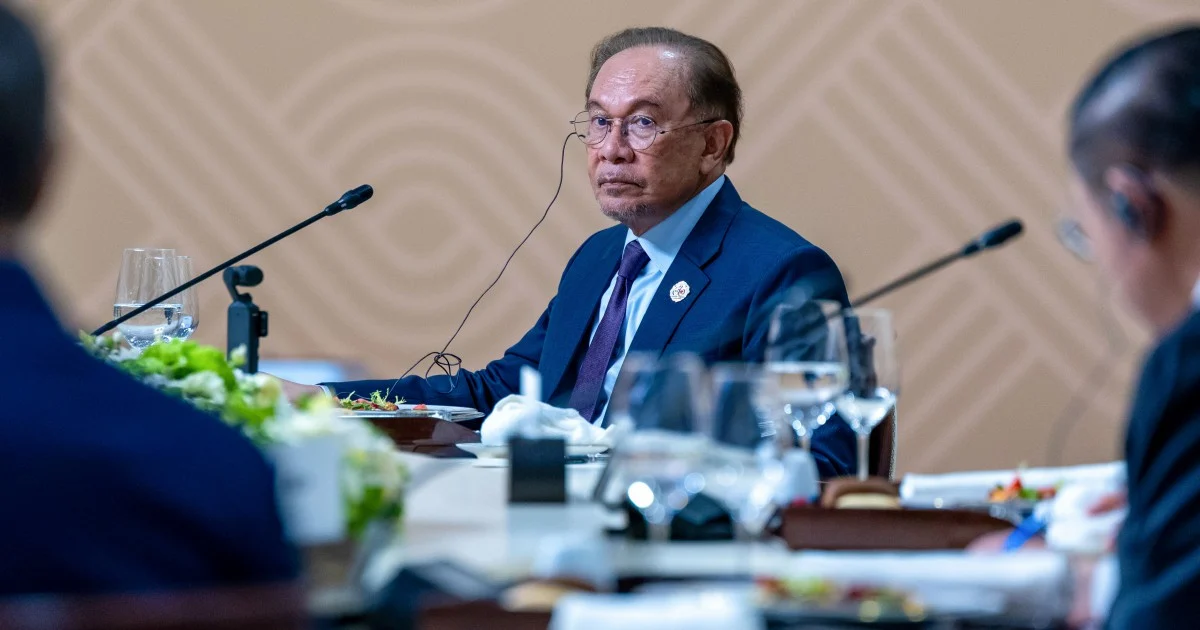
Prime Minister Datuk Seri Anwar Ibrahim has issued a pointed warning that developing nations across Asia, Africa, and Latin America may recalibrate their international partnerships if wealthy European countries persist in what he characterises as inequitable treatment. His remarks, made in Kuala Lumpur, signal growing frustration among Global South leaders over power imbalances in international relations and hint at Malaysia's willingness to diversify its geopolitical alignments amid shifting global dynamics.
The Prime Minister's statement stems from a defence-related disagreement involving Norway, a Scandinavian nation and NATO member whose foreign and military policies often reflect broader European interests. While specific details of the dispute remain implicit in his remarks, the invocation of Norway suggests tensions over defence procurement, military cooperation frameworks, or technology transfer arrangements that may disadvantage developing countries seeking to strengthen their security capabilities and domestic defence industries.
Anwar's warning carries particular weight given Malaysia's historic balancing act between maintaining relationships with established Western powers and nurturing ties with non-aligned nations and rising regional players. For decades, Malaysian policymakers have cultivated a position of strategic autonomy, refusing to align exclusively with any single bloc. This approach has allowed the nation to extract maximum diplomatic and economic benefits from multiple partners simultaneously. The Prime Minister's current rhetoric suggests Malaysia is reinforcing this principle as European countries navigate their own economic and geopolitical challenges.
The underlying tension reflects broader frustrations among developing nations regarding what they perceive as double standards in international dealings. Wealthy European nations frequently advocate for principles such as rules-based order, transparency, and fair competition within global institutions they dominate or significantly influence. Yet many developing countries argue these same principles are selectively applied, with exceptions made for allies or when European interests diverge from stated commitments. This perceived hypocrisy has created an opening for alternative partners—whether in the Middle East, Asia, or within the Non-Aligned Movement—to offer more equitable arrangements.
China and India, two major developing powers, have aggressively pursued partnerships across Africa, Southeast Asia, and Latin America by offering infrastructure investments, defence cooperation, and technology transfers with fewer geopolitical conditions attached. Russia, despite international sanctions, maintains extensive defence and energy relationships throughout the Global South. These alternatives have created genuine leverage for countries like Malaysia to negotiate better terms with European partners while keeping other doors open. Anwar's statement effectively signals that Malaysia will not hesitate to utilise this leverage if perceived unfairness persists.
For Malaysia specifically, defence modernisation remains a priority amid concerns about maritime security, air defence capabilities, and regional stability around the South China Sea. The country has traditionally sourced military equipment from diverse suppliers including the United States, France, Russia, Turkey, and regional manufacturers. If European suppliers—whether Norway or larger European defence contractors—impose conditions Malaysia deems unreasonable or uncompetitive, the nation possesses alternative sources ready to fill gaps. This competitive environment actually strengthens Malaysia's negotiating position provided policymakers maintain principled consistency.
The reference to Norway, though subtle, deserves closer examination. The Scandinavian nation maintains strict export controls on military technology and often conditions defence partnerships on human rights commitments or adherence to international agreements. While such conditions reflect genuine values, they can create friction with developing countries that resent moral conditionality attached to commercial transactions. Norway's integration within European Union frameworks and NATO structures means its policies often align with broader Western geopolitical strategies, which may not align with Malaysian interests or those of other developing nations seeking autonomy in defence decisions.
Anwar's statement also reflects Malaysia's broader concerns about technological sovereignty and the rights of developing nations to acquire capabilities necessary for legitimate self-defence. The imposition of strict controls or politically motivated restrictions on defence transfers can significantly disadvantage smaller nations relative to their regional peers. This asymmetry undermines international stability and creates perverse incentives for developing countries to invest in costly indigenous capabilities or forge partnerships with less scrupulous suppliers. A more balanced, reciprocal approach to defence cooperation would serve everyone's long-term interests.
The Prime Minister's warning should be interpreted not as hostility toward Europe but as assertive advocacy for fair treatment within a multipolar world. Malaysia does not wish to abandon relationships with European partners, many of which offer genuine benefits through trade, investment, and technology cooperation. Rather, Anwar is signalling that Malaysia—and by extension other developing nations—will not tolerate systematic disadvantage. This position aligns with Malaysia's traditional non-aligned philosophy and reflects confidence in the nation's growing capacity to engage multiple partners strategically.
Moving forward, European nations would be wise to examine whether their policies toward developing countries reflect principles of reciprocity and mutual benefit or whether they inadvertently encourage alternative partnerships. The Global South is increasingly organised and aware of available options. Countries that treat developing nations as equal partners rather than subordinates will find themselves with deeper, more durable relationships. Those that persist in imposing unequal terms risk discovering their influence in Asia and other regions gradually diminishes as developing nations consolidate their alternative partnerships and gain confidence in their own capabilities and unity.