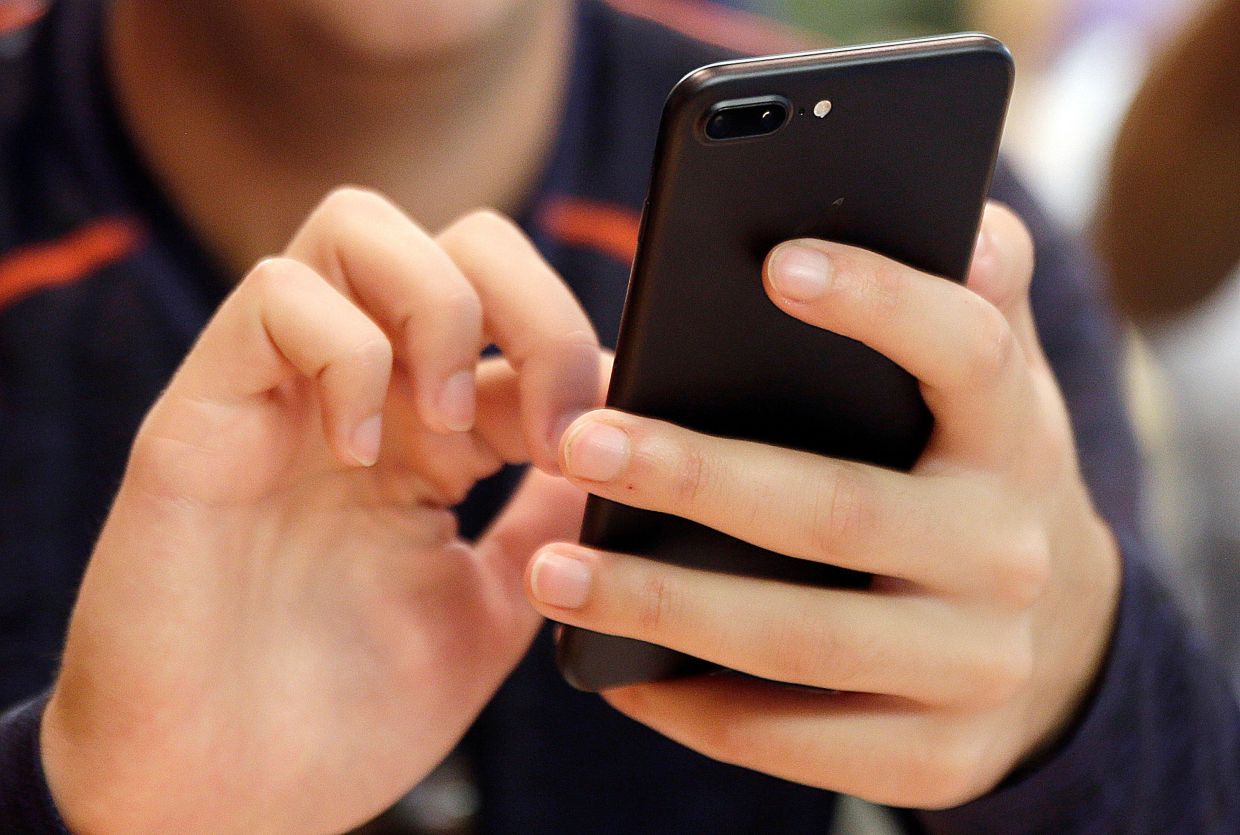
The widespread use of smartphones across Malaysia has created an unexpected occupational hazard affecting millions: chronic pain in the thumbs and hands from constant texting, scrolling and swiping. What many users dismiss as minor discomfort can actually represent the early stages of texting thumb, a catch-all term describing various phone-related musculoskeletal issues ranging from general stiffness and throbbing near the knuckles to clicking sensations when bending the thumb. Left unchecked, these repetitive strain injuries can progress into more serious conditions such as carpal tunnel syndrome and arthritis, making prevention and early intervention crucial.
The problem has evolved considerably since the days of BlackBerry thumb in the early 2000s. Modern smartphones are substantially larger and heavier than their predecessors, and usage patterns have fundamentally transformed. Contemporary device interaction extends far beyond simple phone calls and text messages to encompass hours of social media scrolling, online shopping, banking transactions, video streaming and entertainment consumption. This shift represents a dramatic increase in the cumulative stress placed on hands and fingers throughout the day, creating sustained tension that previous generations of mobile users never experienced.
Dr Maureen O'Shaughnessy from the University of Kentucky HealthCare Hand Center emphasises that resistance to technology is neither practical nor realistic. "Mobile devices are here to stay. So rather than saying 'you can't be on your device,' we really just need to learn and think about ways to make the devices compatible with modern life," she explains. This pragmatic approach acknowledges that smartphone use has become integral to professional productivity and social connection, particularly in Malaysia where digital adoption continues to accelerate. The solution therefore lies not in abandonment but in intelligent adaptation and ergonomic awareness.
Physical strain accumulates when users maintain static positions for extended periods, particularly locking their wrists and elbows while holding devices. This postural rigidity concentrates pressure at specific joints, especially the base of the thumb and wrist, leading to inflammation and soreness. Holding phones upright for prolonged video consumption or social media browsing particularly fatigues the fingers that support the device's weight. Interestingly, users often fail to recognise the severity of their condition until they experience relief, such as during vacations when screen time naturally decreases and the associated pain subsides, providing clear evidence of the device's culpability.
The most straightforward intervention remains the most challenging: limiting screen exposure and incorporating deliberate breaks into usage patterns. However, given modern work and social dynamics, digital detoxification proves impractical for most Malaysians. A more achievable approach involves varying hand positions and alternating which hand performs typing tasks. Rather than always using the thumbs for input, users can train themselves to employ their index fingers and other digits instead. These simple behavioural adjustments distribute mechanical stress across multiple structures rather than concentrating it in the thumbs, reducing cumulative damage.
Smartphone accessibility settings provide underutilised tools for injury prevention. Voice-to-text functionality eliminates the need for manual typing entirely, allowing users to compose messages through dictation. Enlarging text size reduces the need to hold devices close to the eyes, which often encourages awkward hand positions and gripping. These built-in features require minimal effort to activate yet provide substantial relief for susceptible users. Additionally, circular grip accessories and phone rings that attach to device backs redistribute weight more evenly across the hand and simultaneously function as stands for hands-free video viewing, addressing multiple ergonomic concerns simultaneously.
Daily stretching routines prove essential for managing accumulating tension. Wrist flexibility exercises involving palm tilting—bending the hand toward and away from the body while applying gentle counter-pressure with the opposite hand—help maintain joint mobility and prevent stiffness. Individual finger flexing and gentle circular thumb movements enhance overall hand flexibility. For those experiencing specific discomfort at the thumb base, a straightforward stretch involves placing the hand flat on a surface and gently pulling the thumb away from the other fingers, maintaining this extension for approximately thirty seconds. These simple exercises require minimal time yet provide meaningful symptom relief when performed consistently.
Persistent symptoms warrant professional evaluation. Continuous aching, numbness or tingling sensations that persist despite reduced screen time and self-care measures indicate potentially serious underlying conditions. De Quervain's tenosynovitis causes sharp pain and swelling at the thumb base and wrist, while carpal tunnel syndrome results from nerve compression within the wrist. Trigger thumb, characterised by painful catching sensations when bending the thumb, develops from tendon inflammation. These conditions require medical diagnosis and treatment, as progressive damage can lead to permanent functional impairment without proper intervention.
Dr Eugene Tsai from Cedars-Sinai Orthopaedics and Sports Medicine emphasises a fundamental reality: "Our hands were not designed to use phones all day long." This statement encapsulates the core challenge facing modern digital societies—human anatomy evolved for different functional demands than contemporary technology requires. Bridging this gap demands conscious effort and intentional behaviour modification. The solution involves neither abandoning smartphones nor accepting preventable injury, but rather developing smartphone use practices that respect biological limitations.
For Malaysian professionals, students and digital natives accustomed to constant connectivity, implementing these preventive strategies represents an investment in long-term hand health and functional capacity. Brief, intentional posture adjustments during work breaks can meaningfully reduce cumulative strain. Cultivating awareness of how devices are held and used throughout the day enables users to catch problematic patterns before they establish themselves. By treating smartphone use as an activity requiring ergonomic consideration rather than an unconscious habit, users can maintain productivity and social engagement while preserving the hand health that modern digital life increasingly demands.

