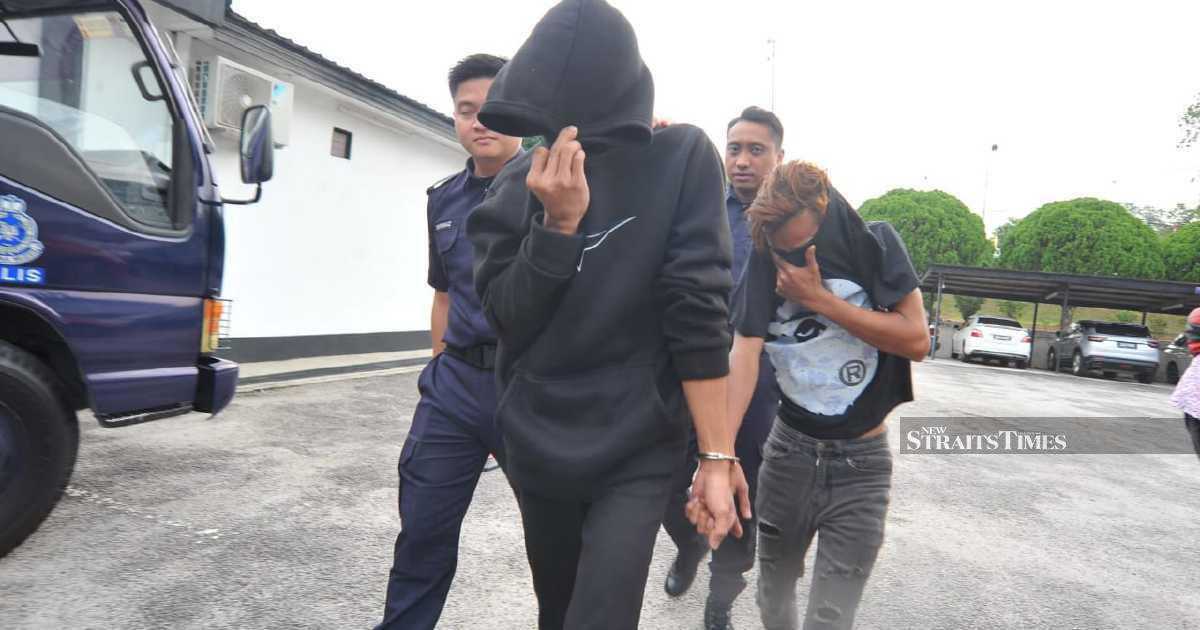
A disabled mechanic and a second man were brought before the Kulai magistrate's court today to face charges stemming from what authorities allege was an unauthorised high-speed racing incident that took place on the Johor Second Link expressway last Saturday. The case has drawn attention not only for the serious nature of the allegations but also because one of the accused is a man with disabilities, raising questions about accessibility and enforcement on one of Malaysia's busier toll expressways.
The incident underscores ongoing concerns about illegal street racing along major Malaysian highways, particularly on routes that carry substantial volumes of commercial and passenger traffic. The Second Link, which connects Johor Bahru to Singapore, is one of the country's most critical transport corridors, handling thousands of vehicles daily. Racing activities on such high-traffic routes pose significant risks not only to the perpetrators but also to innocent motorists who may find themselves caught in dangerous situations.
The specific charges brought against both men relate to reckless and dangerous driving rather than street racing per se, which reflects how Malaysian courts often prosecute such cases under existing traffic and road safety legislation. The magistrate's court in Kulai is the appropriate venue for such proceedings given that it falls within the jurisdiction where the alleged incident occurred. Charges of this nature can carry substantial penalties under the Road Transport Act, potentially including fines, license suspension, and imprisonment depending on the severity of the offence and circumstances surrounding the case.
The involvement of a disabled mechanic adds a complex dimension to the story. Individuals with disabilities in Malaysia face various barriers in employment, social integration, and legal matters. While his disability status does not excuse dangerous driving behaviour, it does raise broader questions about how the justice system handles cases involving persons with disabilities and whether appropriate accommodations are being made in court proceedings. The case may also prompt discussions about rehabilitation and reintegration rather than purely punitive approaches.
Law enforcement agencies across Johor have intensified operations against illegal racing activities in recent years, particularly on major expressways where such incidents can endanger lives and disrupt traffic flow. The Second Link, being a tolled expressway with designated speed limits and safety protocols, represents a location where enforcement efforts are typically concentrated. Police and highway authorities have deployed various strategies including speed cameras, unmarked patrol vehicles, and intelligence operations to detect and apprehend individuals engaged in dangerous driving.
The timing of the alleged incident, occurring on a Saturday, is worth noting as weekends often see increased recreational traffic and unfortunately also attract those seeking to engage in dangerous driving activities. Weekend incidents can pose particular risks because expressways may become more congested with leisure traffic, compounding the hazards created by speeding or racing vehicles. The Johor Second Link in particular handles significant cross-border traffic on weekends as Malaysian and Singaporean residents traverse the route for shopping, work, and leisure purposes.
From a regional perspective, illegal street racing remains a persistent problem across Southeast Asia. Malaysia has seen various high-profile cases and public awareness campaigns highlighting the dangers of such activities. The phenomenon is not limited to wealthy urban areas or specific socioeconomic groups, as this case demonstrates with the involvement of working mechanics. This suggests that the issue cuts across professional and social boundaries, requiring comprehensive approaches that combine enforcement, education, and deterrence.
The judicial process will now determine the evidence presented by prosecution authorities and the defences raised by the accused individuals. Both men will have the opportunity to present their cases before the magistrate, who will weigh the evidence before deciding on guilt or innocence. If convicted, sentencing will depend on the specific circumstances of the case, prior driving records, and mitigating or aggravating factors that the court may consider.
For Malaysian motorists, this case serves as a reminder of the real dangers present on expressways when others engage in reckless driving. Beyond the legal consequences for offenders, there are broader safety implications for the motoring public. Expressways like the Second Link are designed for efficient transit with safety margins built into speed limits and design standards. When individuals ignore these safety protocols, they jeopardise not just their own lives but those of every other person on the road.
The case also highlights the role of the judiciary in deterring dangerous driving behaviour. Convictions and appropriate sentences help reinforce that Malaysian courts take road safety seriously. Public awareness of prosecutions and convictions may contribute to changing driving behaviour and attitudes towards illegal racing. This is particularly important given Malaysia's road fatality statistics, which remain concerning compared to other developed nations in the region.
As the case progresses through the judicial system, it will be important to monitor both the legal outcomes and any broader implications for road safety enforcement on major expressways. The involvement of a disabled individual also opens conversations about inclusive justice approaches and whether special considerations should apply in cases involving vulnerable groups.

