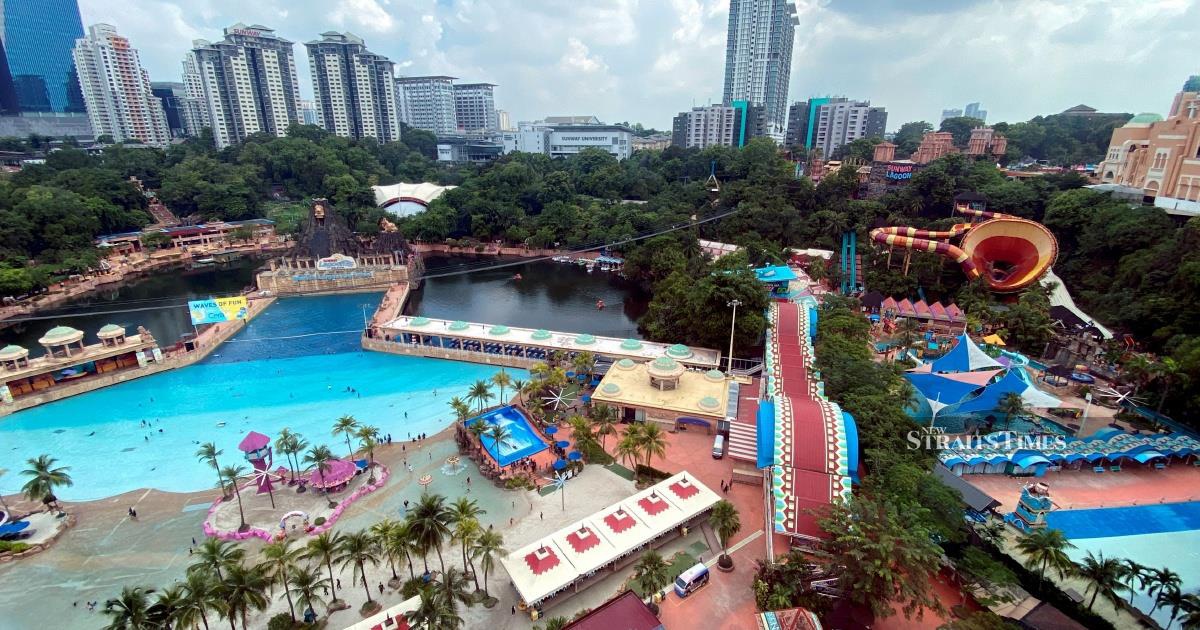
Malaysia's occupational safety regulator has opened a forensic investigation into an incident at Sunway Lagoon's roller coaster facility, marking a significant escalation in scrutiny of safety practices at the nation's premier theme park. The Department of Occupational Safety and Health (DOSH) is conducting a thorough examination of the circumstances surrounding the incident, signalling authorities' commitment to understanding what went wrong and ensuring such occurrences are prevented in the future.
Theme park safety has become an increasingly important concern for Malaysian regulators and the public alike, particularly following high-profile incidents that have raised awareness about the potential risks associated with amusement rides. Sunway Lagoon, located in the Petaling Jaya area of Selangor, is one of Malaysia's most visited entertainment destinations, drawing hundreds of thousands of visitors annually. The park's roller coaster is among its flagship attractions, making this investigation particularly significant given the high volume of daily riders.
A forensic investigation by DOSH typically involves comprehensive technical examination of equipment, review of maintenance records, analysis of operational procedures, and assessment of safety compliance protocols. This level of scrutiny extends beyond surface-level inspections to identify systemic issues, design flaws, or procedural failures that may have contributed to the incident. Such investigations are crucial for establishing accountability and determining whether existing safety standards were adequate or require strengthening.
The involvement of DOSH represents the formal entry of government oversight into what may have initially been handled at the operational level by the theme park itself. The department's mandate covers workplace safety and health across all industries, and amusement park operations fall squarely within its jurisdiction. The decision to launch a forensic probe indicates that preliminary assessments likely suggested more than minor operational irregularities.
For the Malaysian amusement park industry, which has historically operated with relatively limited public scrutiny compared to larger international operators, this investigation sends a clear message about regulatory expectations. Theme parks across Southeast Asia have faced varying levels of government oversight, and Malaysia's approach through DOSH could establish important precedents for how similar incidents are handled regionally. The findings may influence safety standards not only at Sunway Lagoon but across the entertainment venue sector nationwide.
Sunway Lagoon's management will likely cooperate fully with the investigation, providing access to maintenance logs, equipment specifications, staff training records, and incident documentation. These materials are essential for forensic experts to reconstruct the sequence of events leading up to the incident and identify any contributing factors. The park may also be required to demonstrate compliance with international safety standards and industry best practices for amusement ride operation.
The broader implications for visitor confidence and the theme park industry deserve consideration. Sunway Lagoon's reputation as a family destination may be temporarily affected by the incident and resulting investigation, though transparent handling of the matter could ultimately strengthen public trust in the park's safety commitment. Other Malaysian theme parks and entertainment venues will be monitoring the investigation closely, as its conclusions could establish benchmarks for industry-wide safety protocols.
International amusement park safety standards, such as those established by the International Association of Amusement Parks and Attractions (IAAPA), provide guidelines for ride design, maintenance, and operation. DOSH investigators will likely reference these standards when evaluating Sunway Lagoon's compliance. The investigation may reveal whether the park was operating in full accordance with international best practices or whether gaps existed between industry standards and local implementation.
The forensic approach taken by DOSH is notably thorough and represents best practice in incident investigation. Rather than relying on verbal accounts or initial reports, forensic analysis creates a detailed, evidence-based understanding of causation. This scientific approach protects both public safety and the integrity of any subsequent regulatory or legal proceedings that may arise from the findings.
For visitors and the general public, the investigation offers assurance that Malaysia's regulatory framework is capable of examining serious safety incidents comprehensively. The transparent disclosure that an investigation is underway, rather than attempts to minimize or conceal the matter, demonstrates commitment to accountability. This approach may ultimately prove more beneficial to Sunway Lagoon's reputation than defensive posturing would have been.
The timeline for completing the forensic investigation remains unclear, as such inquiries typically require weeks or months depending on complexity. During this period, DOSH may issue interim findings or recommendations that the park is required to implement to maintain operational status. Any identified deficiencies must be addressed promptly to prevent recurrence and demonstrate corrective action.
Once completed, DOSH's formal report will likely be made available to stakeholders including the park management, industry associations, and potentially the media and public, depending on classification protocols. The recommendations emerging from this investigation could reshape safety practices at Malaysian theme parks for years to come, making this incident a pivotal moment for industry governance and visitor protection standards across the region.

