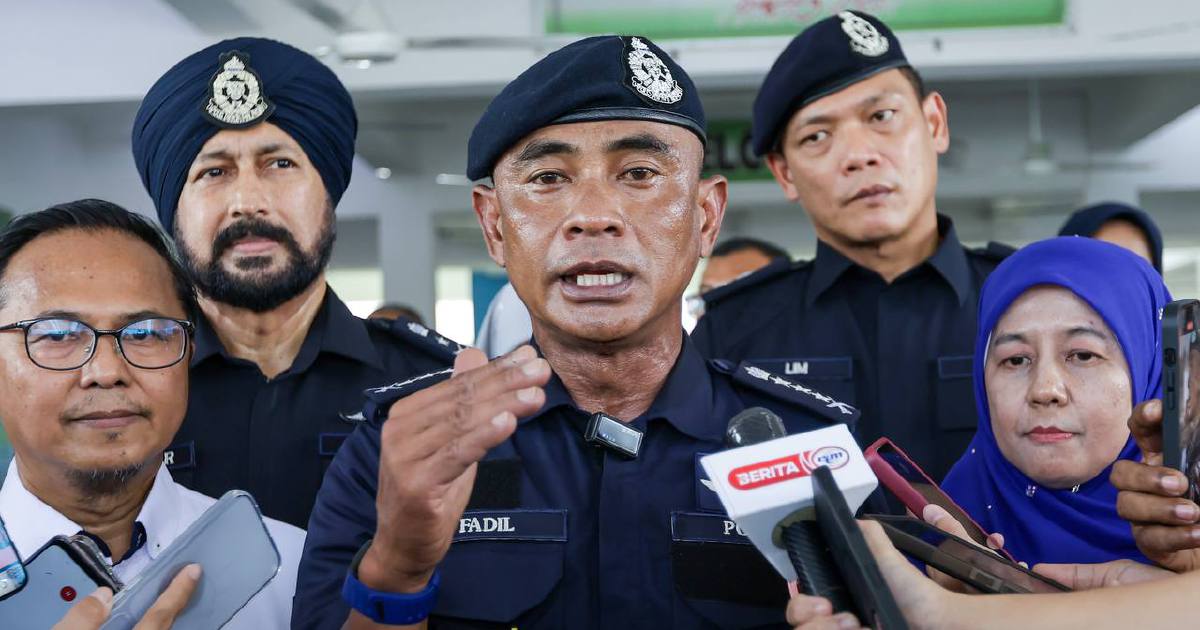
A heated dispute over a parking space at Viva Home shopping centre in Kuala Lumpur's Cheras neighbourhood escalated into a significant public altercation, prompting police to detain a dozen men in connection with the incident. The confrontation, which unfolded in the mall's parking area, highlights the mounting tension and aggression that can result from seemingly minor conflicts in crowded urban spaces across Malaysia.
Officers responded swiftly to reports of the disturbance and moved to control the situation by apprehending 12 individuals involved in the brawl. The detention allows authorities to conduct detailed interviews and investigations into the circumstances that led to the violent outbreak, with officers seeking to establish a clear timeline of events and identify the primary instigators. The rapid police response underscores the commitment to maintaining public order in commercial spaces where large crowds gather regularly.
Parking availability and disputes remain an ongoing challenge in Malaysian shopping malls, particularly during peak shopping hours and weekends when foot traffic increases substantially. The Cheras area, being a densely populated neighbourhood with multiple retail and commercial establishments, frequently experiences congestion at parking facilities. Limited spaces and the pressure to secure parking quickly can create frustration among drivers, occasionally leading to heated confrontations rather than civil resolution.
Incidents of this nature reveal broader concerns about public civility and conflict resolution in crowded commercial environments. What begins as a disagreement over vehicle placement can rapidly escalate when individuals allow emotions to override rational thinking. The involvement of multiple men suggests the dispute may have involved different groups or that bystanders became drawn into the confrontation, a pattern common in such altercations where perceived slights to one's associates or groups trigger broader involvement.
Mall management at Viva Home will likely review security protocols and parking enforcement procedures in response to this incident. Shopping centres across Malaysia increasingly rely on professional security teams and closed-circuit camera systems to monitor parking areas and intervene in developing disputes before they reach critical levels. Enhanced signage, clearer parking demarcation, and improved traffic flow systems can help reduce friction points where disagreements typically occur.
Police investigations into such incidents typically focus on determining whether individuals acted in self-defence or whether the altercation involved criminal assault charges. Officers will examine whether weapons were used, the extent of injuries sustained, and whether any individuals bore particular responsibility for initiating violence. Witness statements from other mall visitors and security personnel will prove crucial in establishing facts.
The psychological dimension of parking disputes deserves consideration, as research suggests that control over personal space—particularly regarding vehicles—activates strong territorial instincts. When drivers feel their space is threatened or their standing in a queue is challenged, responses can disproportionately escalate. Cultural factors around respect and face may intensify conflicts further if individuals perceive disrespect or rudeness in how a disagreement is handled.
For Malaysia's retail sector and shopping mall operators, the incident underscores the need for continued investment in conflict prevention and de-escalation strategies. Training security staff in crisis communication, installing additional parking guidance systems, and implementing digital solutions such as mobile apps showing available spaces can meaningfully reduce friction. Some modern malls have introduced reserved parking and booking systems that eliminate ambiguity around space allocation.
The detention of all 12 individuals suggests authorities are taking comprehensive action rather than singling out particular parties, pending full investigation. Charges may vary depending on individual roles—some may face assault charges while others might be released pending further inquiry. The legal process will determine accountability levels and appropriate penalties under Malaysian law.
Such incidents, while locally contained, reflect patterns seen in urban centres worldwide where population density and resource scarcity create occasional conflict. For Malaysian shoppers and mall operators alike, the episode serves as a reminder that maintaining civility and exercising patience in shared spaces contributes significantly to community safety and wellbeing. As shopping centres remain crucial social and commercial hubs for Malaysian communities, fostering environments of mutual respect becomes increasingly important for maintaining their role as family-friendly destinations.

