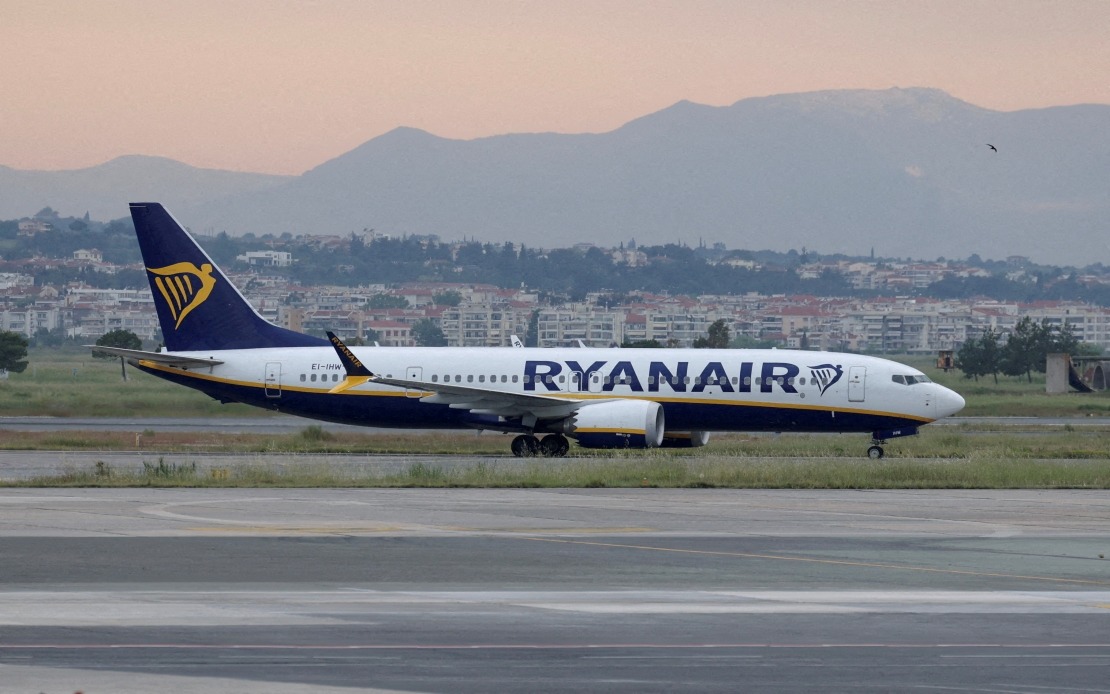
A Ryanair flight operating between the Greek city of Thessaloniki and Memmingen in southern Germany encountered a terrifying incident on Friday when a cabin window suddenly fractured at altitude, forcing an emergency return to its point of departure. The explosive failure of the window pane triggered immediate chaos aboard the aircraft, with passengers and crew responding swiftly to prevent a potential catastrophe that unfolded with dramatic intensity.
Witnesses aboard the aircraft described hearing a sudden loud bang before the window gave way completely. The passenger seated nearest to the compromised window sustained injuries from the incident, though the full extent of his injuries remained unclear at the time of reporting. One eyewitness account relayed to Greek broadcaster ERT painted a particularly alarming picture, noting that the affected passenger's head and shoulders were thrust outside the aircraft through the gaping hole created by the shattered pane, exposing him directly to the extreme conditions at cruising altitude.
The rapid response from fellow passengers proved critical in this emergency. Other travellers seated nearby managed to grab and pull the injured man back inside the cabin, preventing what could have developed into a far more serious tragedy. Simultaneously, the aircraft's safety systems activated as expected, with oxygen masks descending throughout the cabin as the crew initiated emergency procedures. The scene inside the aircraft descended into chaos, with multiple passengers screaming as the severity of the situation became apparent to those on board.
The flight crew's decision to abort the journey and return to Thessaloniki Airport was executed with appropriate urgency. Pilot and cabin crew coordinated the diversion immediately upon recognising the severity of the structural failure, prioritising passenger safety over schedule adherence. The emergency return journey from the point of the incident back to Thessaloniki Airport consumed approximately twenty minutes, during which the aircraft maintained lower altitude and reduced speed to ensure stability and allow the pressurised cabin environment to remain as stable as possible under the circumstances.
Upon landing at Thessaloniki Airport, emergency response teams were waiting on the tarmac. The injured Serbian national was promptly transferred to medical care at a hospital in Thessaloniki, where he received treatment for his injuries. The rapid coordination between the flight crew, airport authorities, and emergency medical services demonstrated the well-established protocols that govern such incidents across European aviation infrastructure.
The window failure itself raises significant questions about aircraft maintenance and structural integrity. Modern commercial aircraft windows are engineered with multiple layers and undergo rigorous inspection protocols, making such catastrophic failures relatively rare occurrences in contemporary aviation. The apparent spontaneity of this failure suggests either an undetected manufacturing defect, material degradation, or some external impact that compromised the window's structural integrity prior to or during the flight.
Neither Ryanair nor the relevant aviation authorities had released official statements regarding the incident at the time of reporting. However, Greek broadcaster ERT confirmed that a formal investigation had been launched into the circumstances surrounding the window failure. Such investigations typically examine maintenance records, manufacturing specifications, and the aircraft's maintenance history to determine the root cause of the failure.
For Southeast Asian and Malaysian readers, this incident underscores the importance of stringent aviation safety standards and maintenance protocols that protect passengers across all airlines, regardless of their operational model. While low-cost carriers like Ryanair operate on tighter margins than traditional full-service airlines, they remain subject to identical safety regulations and inspection requirements enforced by European aviation authorities. The European Union Aviation Safety Agency maintains some of the world's most rigorous certification and oversight standards.
The incident also highlights the critical nature of cabin pressurisation systems and emergency procedures in modern aircraft. The rapid deployment of oxygen masks and the crew's ability to manage the crisis demonstrates how years of training and established emergency protocols can prevent disaster when structural failures occur. Passengers' quick thinking in physically restraining the injured traveller added an additional layer of protection beyond the aircraft's engineered safety systems.
This event, while dramatic and concerning, remains statistically rare within the broader context of modern commercial aviation. The European aviation sector maintains one of the world's most impressive safety records, with thousands of flights operating daily across the region without incident. Nevertheless, each occurrence prompts thorough investigation and potential modifications to maintenance or operational procedures to prevent recurrence.
The investigation into this Thessaloniki incident will likely provide valuable data for aircraft manufacturers, maintenance facilities, and regulatory bodies across Europe. Findings may inform updated inspection protocols or material specifications for window assemblies used on similar aircraft models. For passengers, the incident serves as a reminder that commercial aviation's safety reputation rests on continuous vigilance, rigorous maintenance, and the quick response capabilities of trained flight crews and emergency services. The successful rescue of the injured passenger, while harrowing, ultimately demonstrates that multiple layers of safety systems and human response can intervene effectively when emergencies do occur.

