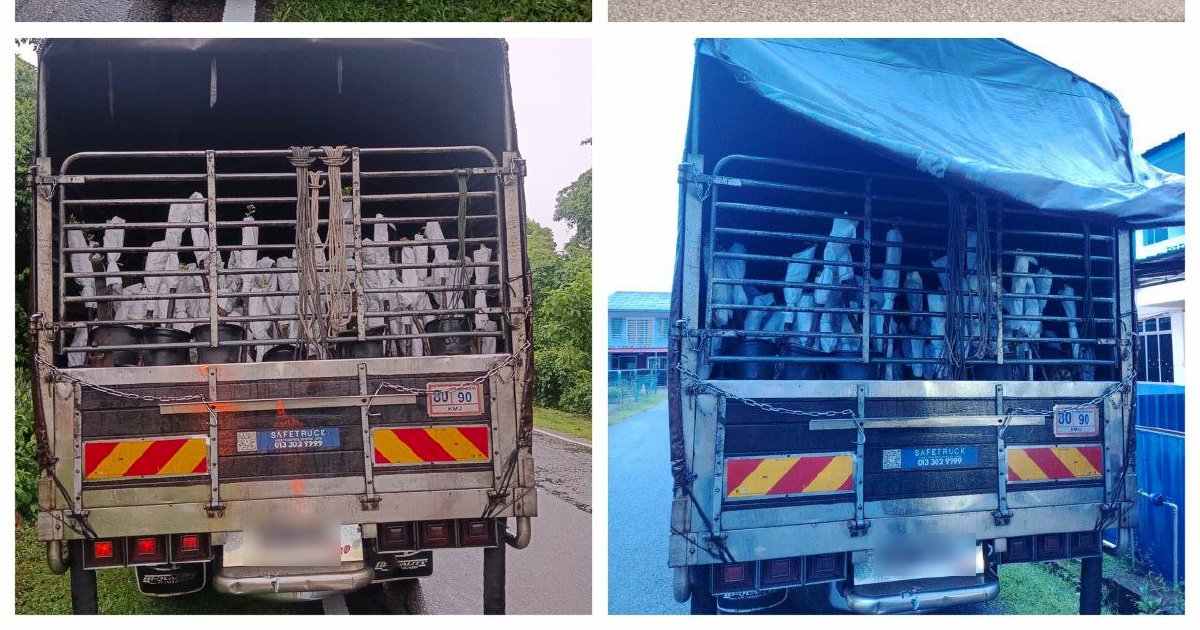
Customs and law enforcement officials have arrested a lorry driver and his attendant at Rantau Panjang following the discovery of illegally imported plant saplings worth RM85,000 concealed in their vehicle during a border control operation yesterday. The seizure marks another significant interception in ongoing efforts to combat smuggling along Malaysia's northern frontier with Thailand, where illicit horticultural imports have become an persistent concern for both revenue collection and biosecurity authorities.
The two men were detained as part of a coordinated examination at the busy Rantau Panjang checkpoint, which serves as a critical gateway for legitimate cross-border commerce between Malaysia and Thailand. The operation reflects intensified vigilance by Customs authorities seeking to prevent undeclared goods from entering the country through conventional trade routes. Officials have not yet disclosed the specific species of saplings recovered, though the substantial valuation suggests commercial quantities of plants destined for nurseries or landscaping operations rather than personal cultivation.
Border smuggling operations involving horticultural products operate across a spectrum of sophistication. Perpetrators exploit the high demand within Malaysia's landscaping, property development, and commercial agriculture sectors where rapid growth through illicit imports offers competitive advantages over legitimate nursery channels. The RM85,000 valuation indicates a shipment size significant enough to undercut legal suppliers and potentially disrupt local plant nurseries operating within regulated frameworks. Thailand remains a primary source of such contraband, given its extensive commercial horticulture industry and geographic proximity to Malaysian import routes.
The case underscores ongoing challenges in policing Malaysia's porous borders, where truck traffic traditionally facilitates smuggling operations. Customs authorities face constant pressure to balance commerce facilitation with enforcement responsibilities, particularly given the daily volume of vehicles traversing Rantau Panjang. Personnel must distinguish between legitimate botanical products and concealed contraband within timeframes that avoid excessive delays to lawful trade. The successful interception yesterday demonstrates sustained operational capacity despite these constraints.
Smugging of plant material carries implications beyond simple revenue loss. Undeclared horticultural imports bypass phytosanitary screening, potentially introducing pests, diseases, or invasive species into Malaysia's agricultural and natural ecosystems. The Department of Agriculture operates strict import protocols designed to protect domestic cropping systems and native flora from biological threats. Contraband saplings, having circumvented these inspection checkpoints, represent unquantified ecological risk irrespective of their commercial value. Environmental authorities regard such breaches with equivalent concern to tariff violations.
The detention of both the driver and attendant suggests investigation into potential larger smuggling networks operating at Rantau Panjang. Authorities typically pursue enquiries aimed at identifying suppliers, financing sources, and downstream recipients within Malaysia. Such intelligence assists enforcement bodies in disrupting organized smuggling cells rather than merely addressing isolated incidents. Cooperation protocols between Malaysian and Thai authorities occasionally enable transnational investigations, though coordination remains inconsistent across certain border sectors.
Legitimate Malaysian nurseries face substantial competitive disadvantage when smuggled plants circumvent duties, phytosanitary costs, and compliance expenses. Many established horticultural businesses operating legally incur significant overheads to meet import regulations and safety standards. Unregulated competitors importing contraband material operate without such financial burdens, creating market distortions that threaten legitimate enterprise viability. Industry associations periodically petition authorities for enhanced enforcement precisely because smuggling undermines their members' business sustainability.
The Rantau Panjang checkpoint's strategic importance within Malaysia's border infrastructure makes it a priority focus for Customs operations. The facility processes substantial daily traffic encompassing agricultural products, manufactured goods, and raw materials alongside plant shipments. Customs resources allocated to Rantau Panjang must address competing enforcement priorities while maintaining checkpoint throughput. Yesterday's operation demonstrates commitment to targeting high-value contraband even amid demanding operational environments.
Malaysia's horticultural import sector generates considerable value for the economy, with legitimate plant trade contributing meaningfully to nursery operators, exporters, and related businesses. Smuggling diverts potential revenue through official channels where duties accrue to government coffers and legitimate traders generate employment. Enforcement operations against plant smuggling align with broader border security objectives and tariff collection mandates. The authorities' success at Rantau Panjang reflects continued prioritization of this enforcement category despite resource constraints elsewhere within the border control system.
Official investigations into the arrested driver and attendant will determine whether charges proceed under Customs Act provisions or related legislation covering product authenticity and importation violations. Penalties for smuggling plant material can include substantial fines and imprisonment depending on contravention severity and prior offence history. The case outcome may influence perpetrator networks' operational risk calculations, potentially affecting smuggling patterns along this border sector. Subsequent prosecution announcements and penalty determinations will provide clarity regarding authorities' enforcement posture toward horticultural contraband trafficking.

