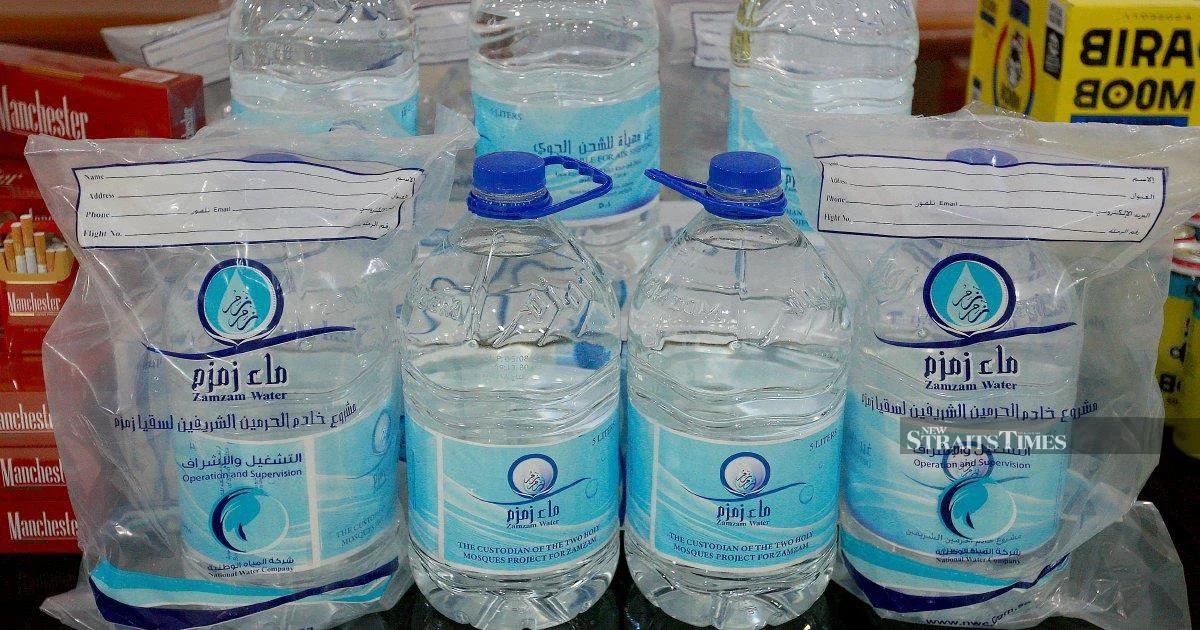
A ride-sharing driver in the Klang district has been handed a substantial fine of RM101,750 by the Magistrate's Court for bringing in prohibited merchandise without authorisation. The case involved the importation of 5,500 bottles of zam-zam water, the sacred water from Mecca's holy well, which arrived at West Port in Klang five years prior to this week's conviction.
The judgment underscores Malaysia's strict regulatory framework governing the importation of certain goods, particularly those of religious significance. Zam-zam water, revered by Muslims worldwide as spiritually blessed water from the Zamzam Well near the Kaaba in Mecca, falls under controlled commodities in Malaysia due to customs and health regulations. The importation of such items without proper permits and official channels is treated as a serious breach of customs law.
The defendant's profession as an e-hailing driver presents an interesting dimension to this case, suggesting that individuals across various socioeconomic strata may become involved in smuggling operations, whether for profit or to fulfil perceived market demand. The involvement of someone holding a regular ride-sharing occupation raises questions about how customs contraband operations are sometimes coordinated through seemingly ordinary commercial networks.
West Port, one of Malaysia's major maritime gateways and a critical hub for international trade, serves as the entry point in this case. The port handles millions of containers annually, and the detection of this shipment reflects the ongoing vigilance required by authorities managing cargo flows through such high-volume facilities. Customs enforcement at ports like West Port must balance efficient cargo clearance with rigorous screening to prevent prohibited goods from entering the market.
The five-year gap between the alleged importation and today's conviction illustrates the lengthy investigative and judicial processes involved in customs cases. Such delays are not uncommon in Malaysia's legal system, where complex cases involving forensic examination of goods, tracing of suppliers and recipients, and gathering of evidence can consume considerable time. The protracted nature of proceedings may also reflect resource constraints within enforcement agencies.
The substantial penalty imposed—over RM101,000—sends a clear deterrent message regarding the consequences of attempting to circumvent Malaysia's import regulations. Penalties for customs violations are calibrated to discourage future breaches and reflect the seriousness with which authorities regard unauthorised merchandise movements. For individuals considering similar operations, the financial consequences extend beyond any potential profit margin.
The case also touches on a broader phenomenon affecting Muslim-majority nations: the informal market for religious products, particularly items associated with pilgrimage and Islamic practice. While legitimate channels for zam-zam water do exist, unauthorised importation suggests demand that individuals attempt to satisfy outside regulated pathways. This dynamic plays out similarly across various goods tied to religious observance in Malaysia and neighbouring countries.
Customs enforcement in Malaysia operates under the Customs Act and related legislation designed to protect public health, maintain national security, and regulate trade. The conviction demonstrates that authorities are systematically pursuing violators regardless of how much time has elapsed since the infraction. This persistent approach to older cases serves as a reminder that customs breaches do not simply disappear with time.
For the broader e-hailing industry and gig-economy workers in Malaysia, such cases raise pertinent questions about due diligence and legal compliance in logistics and transportation roles. Drivers who engage in freight transport or cargo handling must understand their obligations regarding regulated goods, as ignorance of law provides no defence in customs matters.
The judgment also reflects Malaysia's position as a regulated economy where import controls serve multiple purposes: protecting local manufacturers, ensuring public health and safety standards, and maintaining religious and cultural considerations in commerce. These objectives occasionally conflict with consumer demand for particular goods, creating opportunities for informal traders to emerge.

