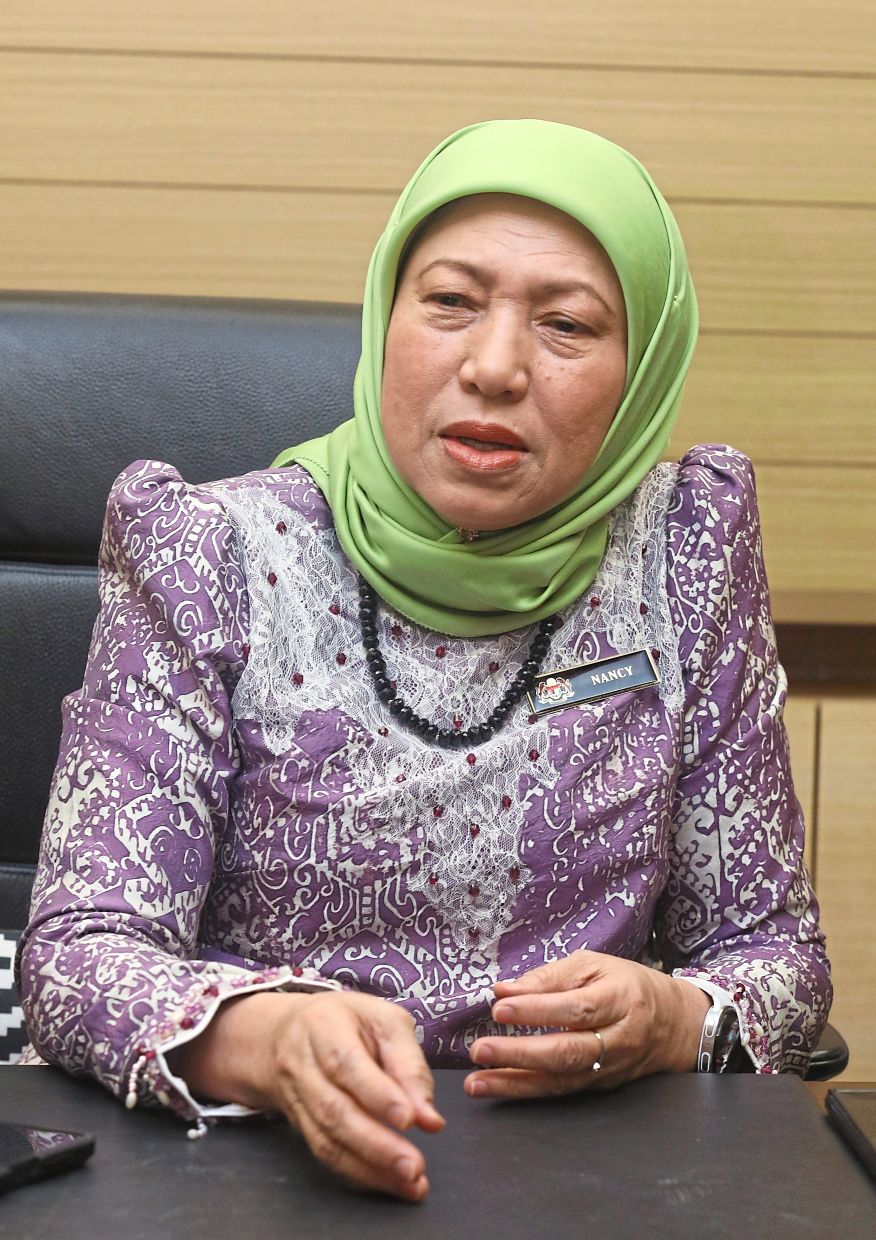
Timely registration of children with disabilities as Persons with Disabilities (OKU) can substantially improve outcomes for families navigating the challenges of special needs care, according to Women, Family and Community Development Minister Datuk Seri Nancy Shukri. The minister emphasises that the registration process, while seemingly administrative, represents a critical gateway to comprehensive government assistance that families might otherwise struggle to access. Without formal recognition through the OKU status, children and their parents miss out on targeted interventions during crucial developmental windows when early support can yield the most significant benefits.
The registration system, overseen by the Social Welfare Department (JKM), translates disability recognition into practical assistance across multiple life domains. Families gain access to financial assistance programmes, healthcare support, education pathways tailored to individual needs, and social development services. The breadth of this support ecosystem reflects the government's acknowledgment that raising a child with disabilities requires multifaceted intervention beyond what individual families can typically manage alone. By formalising the child's status through the OKU card, parents unlock eligibility for benefits that operate within specific regulatory frameworks designed to ensure equitable distribution of limited resources.
Applying for OKU status requires parents to compile documentation including the child's birth certificate or identification, medical certification confirming the disability, and additional supporting documents determined by JKM on a case-by-case basis. This documentation requirement, while administratively burdensome for families already managing medical appointments and therapies, serves to ensure that support reaches those with the greatest need. Once approved, the official OKU card becomes a portable credential that both government agencies and private service providers recognise, eliminating the need for families to repeatedly verify eligibility across different support systems.
The tangible benefits flowing from OKU registration extend into rehabilitation services, early intervention programmes, and specialised educational facilities. These are not peripheral conveniences but foundational supports that shape a child's developmental trajectory. Early intervention in particular carries research-backed significance: the younger the child when receiving structured support, the better the potential outcomes for speech, motor, cognitive and social development. Nancy Shukri's emphasis on not delaying registration reflects this evidence base, effectively urging parents to view the application process not as a bureaucratic formality but as a time-sensitive action that determines access to windows of developmental opportunity.
Beyond childhood, the government's commitment extends into adulthood through evolving support mechanisms that recognise changing needs and aspirations. This lifespan approach distinguishes Malaysia's disability support framework from systems that treat special needs as primarily a childhood concern. As individuals mature, their educational requirements transform into employment considerations, then into questions of independent living, entrepreneurship and social contribution. The minister articulated this progression explicitly, signalling that government responsibility does not terminate when students leave school but rather shifts to support adults with disabilities in participating fully in the workforce and community.
A significant recent initiative supporting this adult transition is the job coach service administered through JKM. These specially trained professionals provide hands-on workplace support that benefits both employees and employers, functioning as intermediaries who translate between an individual's capabilities and workplace demands. Job coaches help OKU secure employment by building employer confidence through demonstrating the worker's reliability and productivity, while simultaneously supporting the employee to navigate workplace expectations. This mutual support mechanism addresses a critical market failure where employers may hesitate to hire individuals with disabilities due to perceived risks or uncertainty, despite such workers often proving dependable and valuable contributors.
Complementing employment initiatives is the Disability Equality Training (DET) programme targeting employers, human resources practitioners and colleagues. Moving beyond simple awareness campaigns, DET aims to reshape how workplaces conceptualise disability and accommodate different work styles and needs. By cultivating this cultural shift within organisations, the programme addresses structural barriers that exist independent of individual worker capability. An employee with a hearing impairment, for instance, may be entirely productive given basic workplace adjustments, yet may face discrimination if colleagues and managers view deafness through a lens of limitation rather than difference. DET targets this attitudinal infrastructure that often proves more restrictive than the disability itself.
The government's employment support ecosystem extends through partnerships with the Social Security Organisation (PERKESO), which operates its own rehabilitation, skills training and placement initiatives. The MyFutureJobs platform creates digital infrastructure connecting OKU job seekers with employers actively seeking workers, reducing search friction that individuals with disabilities might otherwise encounter. This collaborative approach, engaging government agencies, statutory bodies, private employers and non-governmental organisations, reflects recognition that sustainable integration of persons with disabilities into the workforce requires ecosystem-level changes rather than isolated interventions.
Beyond employment, policy attention increasingly encompasses lifelong learning, vocational training pathways, and entrepreneurship opportunities. These expanded horizons recognise that individuals with disabilities, like all citizens, harbour diverse aspirations and capabilities that formal education and employment do not exhaust. Supporting entrepreneurship, for example, may be more appropriate for some individuals than conventional employment, providing autonomy and flexibility that accommodate specific disabilities. Vocational training accessible throughout adulthood allows individuals to retrain as personal circumstances or market demands shift, preventing stagnation that can occur if post-school options appear limited.
For Malaysian families currently raising children with disabilities, the implications of the minister's emphasis on early OKU registration are considerable. The administrative act of submitting documents to JKM represents far more than completing a form; it initiates engagement with an interconnected system of support designed to track the child's needs and opportunities across decades. Without registration, families navigate these challenges in isolation, potentially missing critical services or unaware of entitlements. The decision to register early, during childhood years when developmental plasticity remains high, can substantially alter long-term outcomes across educational achievement, employment prospects, and adult independence.
The minister's framing of OKU registration as a prerequisite for thriving childhood through adulthood also carries implications for how Malaysian society conceptualises disability more broadly. By positioning registration as a gateway to opportunity rather than merely a label of limitation, the discourse shifts disability from perceived burden toward recognised difference requiring tailored support. This reframing matters because societal attitudes fundamentally shape whether individuals with disabilities encounter barriers as primarily physical challenges or as consequences of social exclusion. A system that actively connects registered individuals with services, training, employment and community participation sends the message that persons with disabilities are valued contributors whose abilities deserve cultivation.
Looking forward, the effectiveness of Malaysia's OKU support system will depend on sustained investment in service capacity, particularly as registration rates increase and more families access benefits. The expansion of job coaching, DET programmes, and partnership initiatives signals policy commitment, yet implementation quality and resource adequacy will determine whether frameworks translate into lived improvements. For parents considering registration, the evidence suggests that early action removes uncertainty about eligibility and accelerates access to support that makes measurable differences in child development and family wellbeing. The administrative burden of gathering documentation is modest compared to the potential costs of delaying intervention during critical developmental windows.

