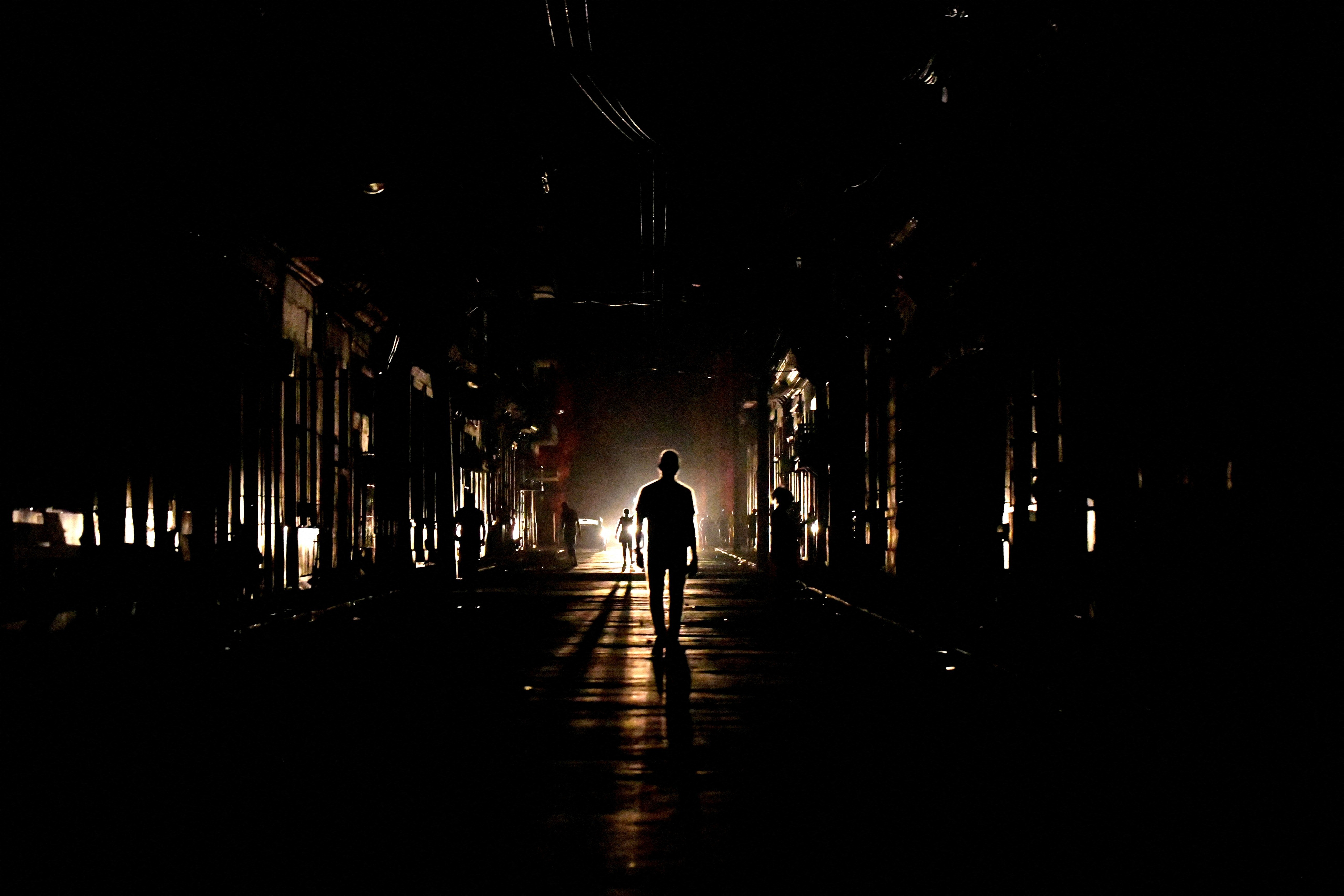
Eastern Libya experienced a severe power failure on Thursday evening that left significant swaths of the region without electricity, according to accounts from local media outlets and visual documentation emerging from affected communities. The blackout extended across multiple cities and towns throughout the eastern portion of the country, with Benghazi—Libya's second-largest city—particularly hard hit, and neighbouring areas like Marj also descending into darkness as the outage swept through the region.
The electricity crisis represents the latest in a mounting series of infrastructure failures gripping the nation. In recent weeks, Libya has faced compounding challenges including armed clashes in western urban centres such as Zawiya and Sorman, drone strikes targeting petroleum production facilities in the western region, and the persistent electricity shortage that now threatens even essential services. The convergence of these difficulties underscores the fragility of state institutions and public service delivery across the country.
Official response came through Libya's eastern-based administration, which operates under the authority of the House of Representatives. The Electricity Ministry announced that several power generation units had been brought back online, initiating a gradual process of restoring supply to affected districts. Among the first facilities to receive restored power was Benghazi's central hospital—a 1,200-bed facility whose continuous operation is vital for the city's healthcare system—alongside multiple residential neighbourhoods in Benghazi's southern sections. However, much of the affected territory remained without electricity as technical teams worked methodically through the evening and into subsequent hours.
The restoration strategy prioritised stability over rapid reconnection. Ministry officials explained that power loads were being reintroduced incrementally across generation, transmission, and distribution networks to prevent overwhelming the grid and triggering cascading failures. This cautious approach, while potentially frustrating for residents and businesses desperate for immediate restoration, reflects lessons learned from previous infrastructure collapses where premature surges damaged equipment and prolonged outages. Technical teams simultaneously investigated the root causes of the blackout, though initial findings were not immediately disclosed to the public.
Libya's electricity infrastructure has deteriorated significantly, reflecting the broader institutional breakdown accompanying the country's political fragmentation. Since the 2011 overthrow of Muammar Gaddafi, Libya has been wracked by competing claims to legitimate authority and control. The internationally recognised Government of National Unity, led by Prime Minister Abdul Hamid Dbeibah, maintains its capital in Tripoli and exercises administrative authority over western Libya. Concurrently, a rival administration appointed by the House of Representatives and headed by Osama Hammad operates from Benghazi, controlling the eastern portions of the country.
This territorial division has effectively created two competing governmental structures with separate bureaucracies, militaries, and service delivery systems. The electricity network, requiring integrated management across generation facilities, transmission lines, and distribution infrastructure, has suffered tremendously from this fragmentation. Neither administration commands the resources or political legitimacy necessary to implement comprehensive nationwide solutions, leaving utilities in both regions perpetually underfunded and technically degraded. The outage in eastern Libya exemplifies how political disunity directly translates into deteriorating living conditions for ordinary citizens.
The electricity crisis carries particular significance for Southeast Asian observers and policymakers. Malaysia and regional nations have invested in stability and institutional capacity-building as prerequisites for development. Libya's experience demonstrates the downstream consequences when political paralysis prevents coordinated investment in critical infrastructure. A nation's inability to maintain basic services like electricity ultimately undermines economic growth, population confidence in government, and the foundational conditions necessary for eventual political reconciliation.
International actors have long sought to resolve Libya's political impasse. The United Nations Support Mission in Libya (UNSMIL) has invested considerable diplomatic effort attempting to mediate between rival factions and establish mechanisms for democratic transition. A central objective has been organising long-delayed national elections that Libyan citizens hope might provide legitimate framework for unified governance and help terminate the cycle of armed conflict and institutional decay. However, fundamental disagreements over constitutional frameworks, power-sharing arrangements, and the treatment of armed groups have repeatedly delayed electoral processes, perpetuating the status quo of division.
The electricity blackout, while immediately affecting only eastern Libya's population, reflects systemwide vulnerabilities affecting the entire nation. Both administrations lack capacity to modernise generation facilities, maintain aging transmission infrastructure, or implement efficiency improvements. Corruption and mismanagement have diverted resources that might otherwise support technical improvements. The absence of comprehensive long-term planning leaves the system reactive rather than preventive, with outages occurring with increasing frequency as equipment deteriorates beyond safe operating parameters.
For citizens in Benghazi and surrounding communities, the practical implications proved immediately severe. Hospitals and medical facilities suddenly operated on backup generators of uncertain reliability. Businesses lost refrigerated inventory. Residential areas experienced sweltering heat without air conditioning during summer conditions. Water pumping stations faltered, threatening supply systems. Individuals dependent on electrically powered medical equipment faced dangerous situations. The psychological impact of unexpected darkness also affects population morale and confidence in governmental capacity.
The resolution of Libya's electricity crisis ultimately depends on addressing the underlying political dysfunction. Restoring sustained, reliable power supply requires unified governance capable of allocating resources systematically, implementing technical expertise, and coordinating infrastructure investment across the entire national territory. Until the competing administrations reconcile or one achieves sufficient dominance to govern without sustained opposition, infrastructure restoration will remain incomplete and episodic. The blackout serves as potent reminder that political division carries concrete, daily consequences for ordinary people.

