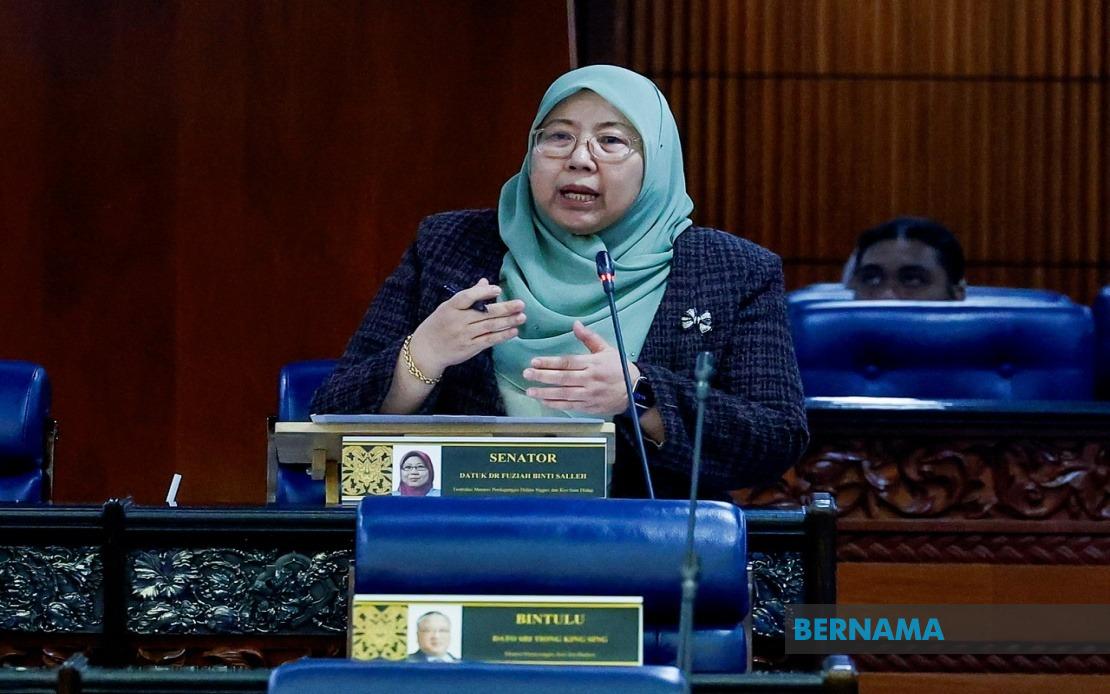
Deputy Domestic Trade and Cost of Living Minister Datuk Dr Fuziah Salleh has confirmed that the Cooking Oil Price Stabilisation Scheme (eCOSS) mobile application is delivering measurable results in preventing unauthorised access to subsidised cooking oil across Malaysia. Speaking in Parliament on July 6, Fuziah pointed to steady market supply and minimal complaints as concrete proof that the digital tracking system, rolled out since May 2024, has successfully plugged leakages that plagued previous subsidy distribution efforts.
The eCOSS platform represents a significant technological shift in how Malaysia manages one of its most sensitive price-controlled commodities. By requiring digital registration and authentication, the system creates an auditable trail from refineries and repackaging facilities through wholesalers and retailers to individual consumers. This end-to-end visibility addresses a persistent problem: subsidised cooking oil historically leaked into black markets, was diverted to export markets, or was purchased by foreign nationals who should not have access to Malaysian subsidies. The digital-first approach eliminates many traditional loopholes whilst maintaining the social objective of providing affordable cooking oil to ordinary Malaysian households.
Registration figures underscore the scheme's uptake and potential reach. As of July 3, some 5.261 million Malaysians had enrolled in the eCOSS system, representing a substantial proportion of the nation's estimated subsidy-eligible population. This high registration rate suggests both effective promotion and genuine consumer demand for subsidised cooking oil through legitimate channels. The corresponding monthly purchase volume—averaging 18 million packets—indicates that demand is being met consistently through the controlled distribution network, a critical metric for assessing whether the subsidy is reaching its intended beneficiaries rather than being siphoned away.
Johor, one of the pilot states selected to test eCOSS, demonstrates the tangible benefits at state level. The southern state has recorded 580,000 downloaded applications and involvement from 1,093 retailers out of 2,822 registered outlets. More strikingly, complaint levels regarding cooking oil shortages plummeted from nine in June 2025 to merely two by June 2024—a dramatic 78 percent reduction that suggests both improved supply consistency and consumer confidence in the system's reliability. This data point carries particular weight because shortage complaints often signal diversion or stockpiling, two manifestations of subsidy leakage that harm ordinary consumers and inflate market prices.
The government has simultaneously addressed equity concerns surrounding digital access and technological literacy. A segment of Malaysia's population—particularly senior citizens, rural residents, and those without smartphones—would normally face barriers to participating in app-based schemes. Recognising this vulnerability, the ministry introduced parallel support measures including in-store assistance from retail staff, public awareness campaigns, instructional videos, and critically, the preservation of manual purchase options for non-app users. This hybrid approach prevents the digital transition from inadvertently creating a two-tier subsidy system where tech-savvy consumers benefit whilst others lose access.
The eCOSS architecture itself merits examination for its sophistication and regional relevance. The mobile application functions as a last-mile connectivity tool that complements an underlying digital tracking system spanning the entire supply chain. This layered design distinguishes between consumer-facing functionality and backend monitoring. The app enables consumers to verify eligibility, register purchases, and track entitlements, whilst simultaneously generating data on supply patterns and consumption behaviour. This information feeds into enforcement operations and policy refinement without requiring the app itself to serve as an enforcement instrument, an important distinction that protects consumer privacy and maintains public confidence.
Data collection and feedback mechanisms signal an intention toward continuous improvement rather than static implementation. By systematically evaluating user feedback and cross-referencing it with monitoring data, the ministry is building institutional knowledge about which aspects of the scheme work and where adjustments are warranted. This iterative approach acknowledges that no policy rollout is perfect and that course corrections often prove necessary as real-world usage patterns emerge. For Malaysia's often-maligned subsidy programmes, this adaptive posture represents a meaningful departure from the top-down, fire-and-forget implementation style that has characterised past initiatives.
The political context surrounding eCOSS extends beyond technical efficiency to broader questions about subsidy targeting and fiscal sustainability. Malaysia's cooking oil subsidy, like fuel and rice supports, represents a significant budgetary commitment and a recognised avenue for leakage that inflates true costs. Reducing losses through digital tools potentially stretches subsidy budgets further, allowing the same financial allocation to benefit more genuine consumers or freeing resources for other programmes. From this perspective, eCOSS functions partly as a fiscal accountability measure, converting analogue subsidy distribution into a trackable, quantifiable process that permits evidence-based policy adjustments.
Regional observers and fellow ASEAN nations facing similar subsidy management challenges may view Malaysia's eCOSS experience as instructive. Several Southeast Asian countries grapple with comparable issues of subsidy leakage, particularly in fuel, food staples, and agricultural inputs. Malaysia's documented success in reducing complaints and stabilising supply through digital infrastructure suggests that technological solutions, when paired with social support and genuine commitment, can reshape how governments deliver price controls. This potential influence extends Malaysia's policy innovation beyond domestic boundaries.
Looking forward, the scheme's effectiveness will depend on sustained investment, regulatory clarity, and ongoing stakeholder engagement. Retailers must be motivated to participate fully rather than operate parallel informal channels. Consumers need assurance that subsidised prices remain genuinely affordable compared to unsubsidised alternatives. Enforcement agencies require clear mandates and resources to address violations. The ministry's openness to feedback and willingness to adjust implementation details suggests institutional flexibility, but maintaining momentum across these multiple fronts will test the government's capacity to manage a complex, long-term programme. For now, however, the early indicators from eCOSS point toward a model that merits continued attention and cautious optimism regarding Malaysia's ability to deliver subsidies more efficiently and equitably.

