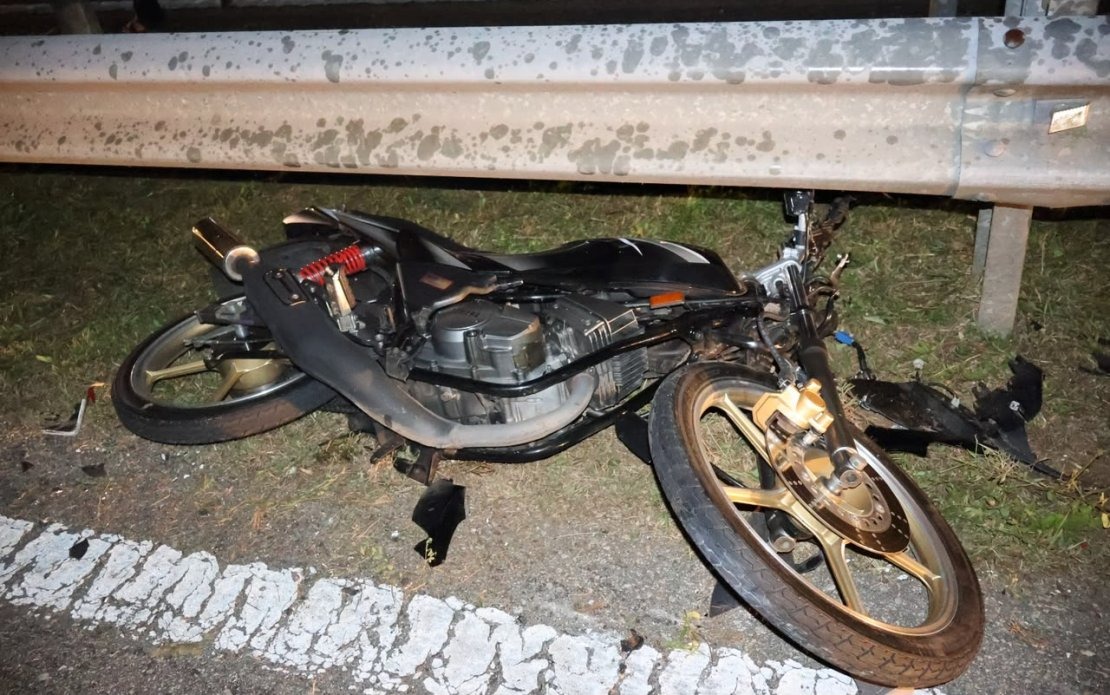
Enforcement operations by traffic authorities cannot alone address the persistent problem of dangerous driving behaviour on Malaysian roads, according to the head of the Bukit Aman Traffic Investigation and Enforcement Department. Datuk Seri Muhammed Hasbullah Ali made the statement following a tragedy on the East Coast Expressway early this week that resulted in four motorcyclists losing their lives and leaving 20 others injured, underscoring the urgent need for a more comprehensive approach to reducing road fatalities.
The traffic police director's comments reflect a growing recognition within law enforcement circles that the traditional strategy of issuing fines and implementing traffic regulations, while necessary, addresses only symptoms of a deeper cultural problem on the nation's highways. To meaningfully reduce accidents, Muhammed Hasbullah stressed that road safety education and advocacy campaigns must be substantially expanded, complementing the enforcement efforts that continue across the country's road network.
Central to his argument is the observation that successfully preventing road accidents demands active participation from society at every level. Parents, family members, schools and educational institutions, as well as community organizations, must collectively work to instill a sense of responsibility among all road users. This distributed approach acknowledges that changing behaviour patterns requires sustained messaging and role modelling across multiple social spheres rather than relying solely on fear of penalties.
Particularly concerning to authorities are motorcycle-related incidents, which constitute a significant portion of road fatalities and injuries nationwide. Muhammed Hasbullah identified a troubling pattern among some riders who deliberately ignore traffic regulations to satisfy personal desires or gain recognition among their peers. This psychological dimension of dangerous driving—where the thrill-seeking or status-seeking motivation overrides rational assessment of risk—presents a challenge that police enforcement cannot fully resolve without addressing underlying attitudes and values.
Despite ongoing crackdowns by the Traffic Investigation and Enforcement Department and other relevant agencies, enforcement operations have proven insufficient in deterring a subset of riders from engaging in reckless behaviour. Some individuals persist in riding dangerously, participating in organized illegal racing events, and executing dangerous stunts on major highways despite knowing the consequences. This continued defiance suggests that deterrent effects of enforcement may diminish over time, particularly among riders motivated by factors beyond fear of legal sanctions.
The East Coast Expressway incident that prompted these remarks illustrates the tragic human cost of such behaviour. The four motorcyclists who died and the 20 people injured in the same accident represent not only statistical entries in accident reports but tangible consequences that extend to families and communities. Beyond the loss of life, Muhammed Hasbullah emphasized that such accidents create psychological trauma for survivors and witnesses, generate property damage costs, and disrupt the peaceful use of public roads that should be shared safely by all users.
The traffic police director's framing of highways as public spaces requiring shared responsibility represents an important shift in how authorities are communicating about road safety. Rather than positioning enforcement as a top-down imposition of rules, this perspective invites all road users to recognize their collective stake in maintaining safe conditions. Every driver and rider, through their individual choices, affects the safety of everyone else sharing that road space.
Looking forward, Muhammed Hasbullah affirmed that authorities remain committed to taking firm action against offenders. Those caught riding recklessly, engaging in illegal racing, or performing dangerous acts that jeopardize other road users will continue to face stern consequences. However, the articulation of these enforcement measures now occurs alongside an explicit acknowledgment of their limitations, suggesting a more nuanced policy approach that combines punishment with prevention through education.
The challenge facing Malaysian authorities is substantial. Road safety requires sustained investment in education campaigns that reach young riders before dangerous habits form, partnerships with schools to integrate road safety into curricula, and community-based initiatives that make safe driving socially normative rather than exceptional. Additionally, understanding the psychological motivations behind dangerous riding—whether peer pressure, thrill-seeking, or rebellion against authority—could inform more targeted intervention strategies.
For Malaysia's driving public, the message from traffic authorities is clear: individual choices matter profoundly, and the roads can only become safer when users internalize responsibility for their own conduct and that of others. Parents must emphasize road safety values to their children, educational institutions must incorporate comprehensive road education into their programs, and communities must collectively discourage dangerous driving behaviour as socially unacceptable rather than heroic or impressive.

