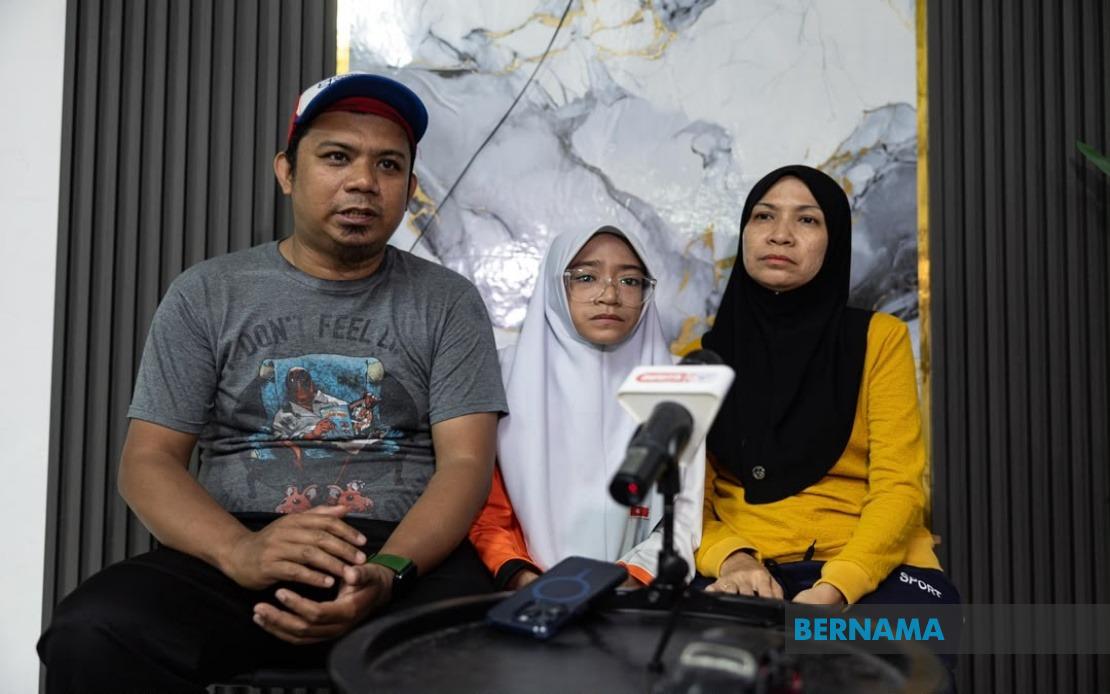
Education Minister Fadhlina Sidek and the Tun Hussein Onn Teachers' Foundation (YGTHO) have stepped in to cover the full surgical costs for a 13-year-old girl requiring treatment for scoliosis. Arissa El Zahra Reduan, who lives in Perak, faces a procedure scheduled for September 8 at Raja Permaisuri Bainun Hospital (HRPB) in Ipoh. The combined contribution of RM10,000 from the Education Ministry and YGTHO will eliminate the financial barrier that threatened to delay her medical intervention.
Fadhlina announced the assistance through a social media post, revealing that she had personally contacted Arissa and her mother via video call to deliver the news. The Education Minister's direct engagement with the family underscores the ministry's commitment to ensuring young Malaysians have access to necessary healthcare regardless of economic circumstances. During the conversation, Fadhlina explained the contribution's scope and reassured the teenager that the funding would be released immediately to facilitate her treatment preparations.
The case highlights how scoliosis, a condition affecting spinal curvature particularly in adolescents, can impose significant financial hardship on families. Arissa's father, Reduan Saad, had previously appealed for assistance after realizing the surgical costs exceeded his immediate capacity to pay. In Malaysia's healthcare landscape, while public hospital services remain subsidised, the total expenses associated with specialised procedures like spinal correction can still stretch household budgets, particularly for working-class families. The intervention by Fadhlina and YGTHO addresses this gap.
The Tun Hussein Onn Teachers' Foundation, named after Malaysia's third Prime Minister, maintains a tradition of supporting education-related social causes. By participating in this funding initiative, the foundation demonstrates its expanded mandate beyond purely educational scholarships to encompass health interventions that enable student attendance and academic progression. The reasoning is straightforward: a teenager unable to attend school due to untreated spinal deformity falls further behind educationally, creating cascading disadvantages throughout her formative years.
Fadhlina's framing of the situation in her statement reveals a deliberate policy orientation toward removing health barriers to education. Her comment about being moved by seeing "the face of a child so eager to continue attending school" positions healthcare support as intrinsically linked to the Education Ministry's core mission. This perspective aligns with broader government efforts to identify and address structural obstacles preventing vulnerable youth from remaining in the schooling system. By funding Arissa's surgery, the ministry simultaneously removes a medical impediment and an educational disruption.
The September 8 surgery date represents a timeline carefully coordinated to minimise disruption to Arissa's academic calendar. Recovery from scoliosis surgery typically requires several weeks of restricted activity, meaning the procedure's timing will determine when she can resume classroom attendance. The ministry's involvement in arranging not just funding but coordination of the procedure itself suggests a systematic approach rather than purely philanthropic gesture. This coordination dimension matters for families navigating complex healthcare bureaucracies without specialist knowledge.
For Malaysian parents facing similar medical expenses for their children, this case demonstrates channels through which assistance might be accessed. The Education Ministry, along with established foundations like YGTHO, represent potential resources beyond immediate family networks. However, the reliance on individual appeals and ministerial discretion also underscores that no systematic guarantee exists for such support. Families must still navigate awareness of available programmes, have ability to publicise their circumstances, and benefit from sympathetic official attention—conditions not equally distributed across Malaysian society.
The incident carries particular resonance in Perak, where Raja Permaisuri Bainun Hospital serves as the primary tertiary referral centre for spinal conditions in the northern region. Ensuring access to this facility's specialised surgical capabilities for young patients, regardless of family income, strengthens regional healthcare equity. Arissa's case, if resolved successfully, may encourage other families in similar circumstances to seek assistance rather than enduring untreated conditions that worsen with adolescent growth.
Fadhlina's explicit acknowledgment of media's role in bridging community needs with government resources suggests recognition that public visibility remains instrumental in securing assistance. She thanked journalists for creating the conditions through which her attention was drawn to Arissa's situation. This dynamic raises broader questions about equity of access when media coverage functions as a prerequisite for government intervention. Families without media connections or the confidence to publicise their circumstances may remain unassisted despite comparable need.
Looking forward, Arissa's successful treatment could serve as a model case for how education authorities engage with student health challenges. Recovery documentation, her return to studies, and any academic catch-up achievements would provide evidence supporting arguments for expanded healthcare-education integration. Whether this case prompts broader policy examination or remains an individual success story will depend on institutional follow-up. The Education Ministry's engagement suggests at least some appetite for viewing healthcare access as within its strategic purview rather than purely a Health Ministry matter.

