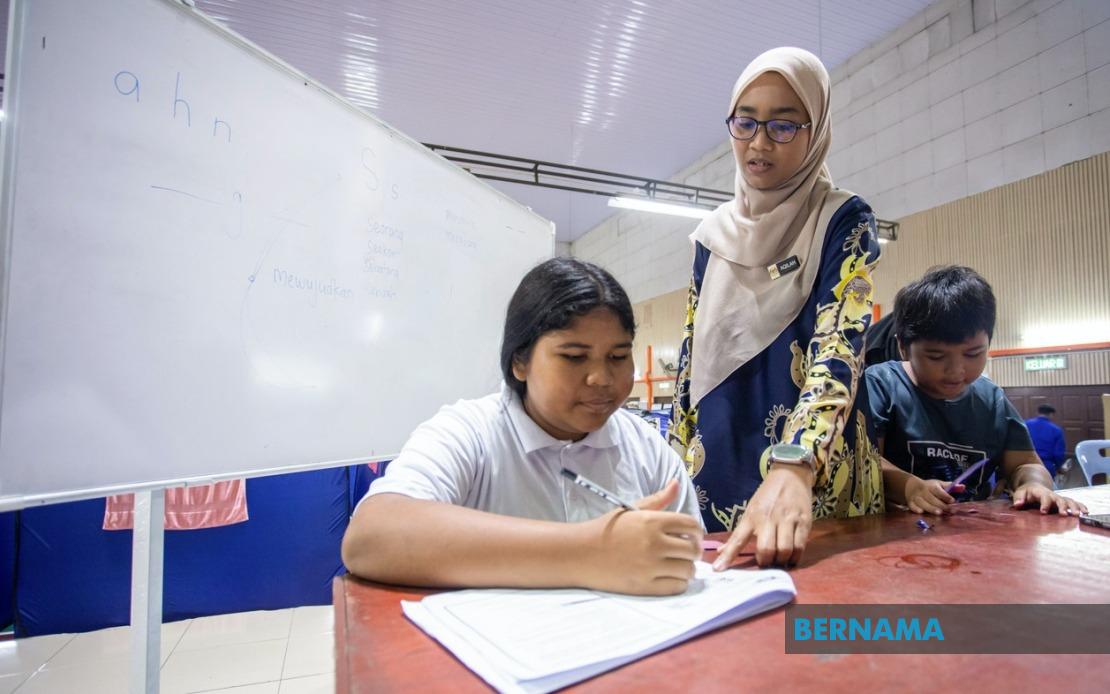
The Education Ministry is redoubling efforts to bolster mental health infrastructure within Malaysia's school system following the death of a female educator in Hulu Selangor, a tragedy that has reignited discussions about workplace wellness and support systems for those in the teaching profession. Education Minister Fadhlina Sidek acknowledged the gravity of the situation on August 3, underscoring her personal commitment to addressing mental health challenges that have increasingly affected the education sector across the nation.
Sidek's response carries particular weight given her background as a mental health advocate before entering politics, lending authentic credibility to the ministry's stated intentions. She framed the incident as deeply affecting her personally, not merely as a matter of administrative concern but as a catalyst for systemic change within educational institutions. This positioning reflects broader recognition among policymakers that mental health crises within schools extend beyond individual incidents to represent systemic vulnerabilities that demand comprehensive solutions.
The ministry has indicated that its approach will centre on expanded collaboration with external stakeholders, including non-governmental organizations specializing in mental health, the Health Ministry, and school counsellors. This multi-agency framework suggests acknowledgment that addressing educator burnout and psychological distress requires coordination across sectors rather than isolated interventions by the Education Ministry alone. Such partnerships have become increasingly important as Malaysian schools grapple with escalating pressures stemming from curriculum demands, administrative burdens, student behavioral challenges, and post-pandemic adjustment difficulties.
Sidek's public appeal to teachers to actively support one another represents a shift toward peer-based mental health culture within schools. By encouraging educators to check in on colleagues, listen without judgment, and validate one another's struggles, the ministry is promoting a grass-roots approach to wellness that complements formal counselling services. This strategy recognizes that teachers often spend more time with colleagues than with professional mental health providers, positioning peer networks as critical informal support systems.
The minister's emphasis that "sometimes, a simple and sincere inquiry can provide tremendous strength" distils a fundamental principle of mental health support: the therapeutic value of being heard and acknowledged. For Malaysian educators facing mounting pressures, such reassurance addresses a common experience of isolation, particularly among teachers who may hesitate to disclose struggles due to professional stigma or fears about career implications. Fostering normalized conversations about mental well-being could gradually erode such barriers.
Simultaneously, Sidek appealed for public restraint regarding the incident, requesting respect for the deceased teacher's family privacy and urging media and social circles to avoid speculation. This measured approach aims to prevent sensationalism that could compound grief for those closest to the victim while potentially triggering secondary trauma among other educators. The call for allowing police space to investigate thoroughly also reflects adherence to due process and acknowledgment that determining the actual circumstances is essential before drawing broader conclusions.
The death in Hulu Selangor, reported on August 1, has served as a watershed moment for national conversation about educator welfare in Malaysia. Unlike previous incidents that might have generated temporary concern before fading from public discourse, this case appears to have catalyzed sustained commitment from the education leadership to examine systemic gaps in psychological support. The timing of the ministry's response suggests determination to convert tragedy into constructive policy evolution.
For Malaysian schools, the implications are potentially significant. Enhanced psychosocial support frameworks could include expanded counselling services, mental health awareness training for school administrators, peer mentorship programs, and clearer protocols for identifying and assisting educators in crisis. Such measures might also establish more robust referral pathways to professional mental health services, ensuring that teachers experiencing serious psychological distress can access appropriate treatment without bureaucratic obstruction.
The broader regional context matters here as well. Southeast Asian education systems, including Malaysia's, have faced growing recognition of mental health challenges among both students and educators, compounded by pandemic-related disruptions and evolving family structures. Malaysia's proactive stance on strengthening school-based psychosocial support positions it as a potential regional leader in educator wellness, potentially influencing approaches across the Association of Southeast Asian Nations.
However, translating ministerial commitments into meaningful institutional change remains a complex undertaking. Effective implementation requires sustained funding, comprehensive training for school counsellors and administrators, cultural shifts that destigmatize mental health discussions, and accountability mechanisms ensuring that support systems actually function as intended. Mere policy announcements, without corresponding resource allocation and structural changes, risk becoming performative responses to tragedy rather than genuine systemic reform.
The invitation for teachers to recognize they are "not alone" addresses a psychological reality that transcends Malaysia's borders. Educator burnout, depression, and anxiety have reached epidemic proportions globally, yet remain underacknowledged in many Asian contexts where professional stoicism is culturally valued. By explicitly validating educator distress and committing institutional resources to address it, Sidek's ministry is signalling that psychological well-being is not a luxury but a professional necessity.
Looking forward, the true measure of the ministry's commitment will emerge through concrete actions over the coming months and years. Whether psychosocial support becomes genuinely integrated into school culture, whether resources match rhetoric, and whether teachers feel measurably more supported will determine whether this moment catalyzes lasting change or becomes another forgotten headline.

