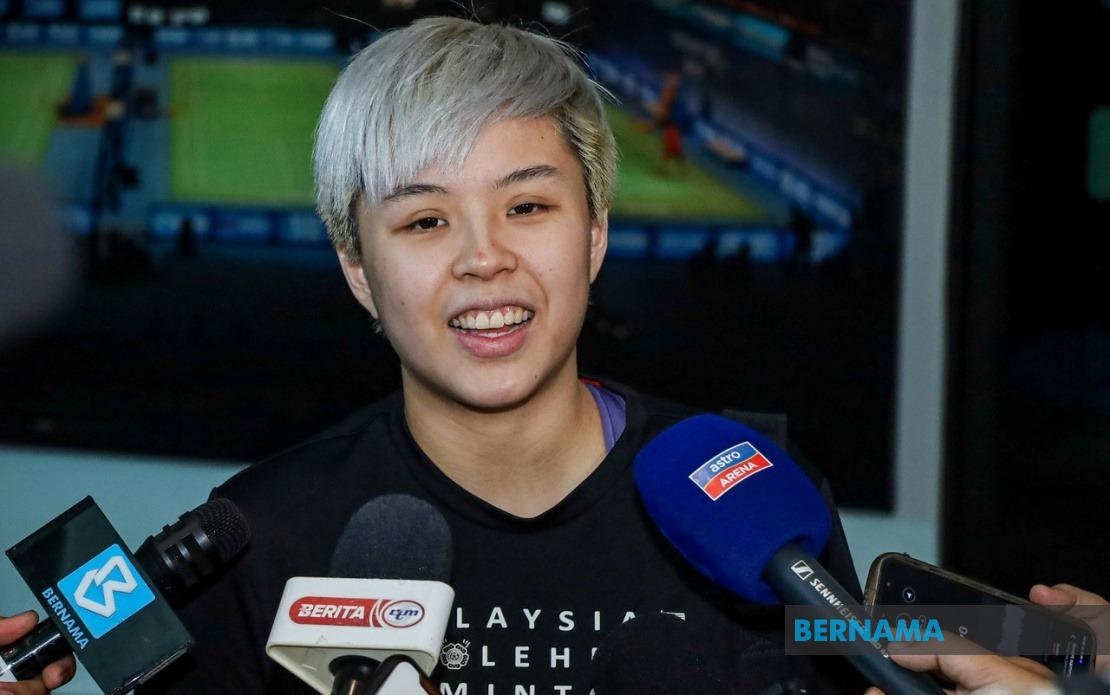
Toh Ee Wei, a key member of Malaysia's mixed doubles badminton contingent, has completed surgery on her injured left knee at a Melbourne facility, marking the first major step in what promises to be an extended rehabilitation process. The Badminton Association of Malaysia confirmed the procedure's success on July 1, with the operation having taken place the previous day in Australia. The surgery addresses the anterior cruciate ligament injury that sidelined the national player during the Singapore Open 2026 quarter-finals last month, an incident that drew significant concern within Malaysia's badminton fraternity.
The timing of Ee Wei's injury came at a particularly challenging moment in the competitive calendar. The Singapore Open quarter-final appearance represented a significant tournament opportunity, and the sudden ligament damage forced immediate medical intervention. Rather than attempting conservative management, Ee Wei and BAM's medical team opted for surgical repair, a decision that reflects the severity of the injury and the imperative to restore full function for competitive play. This approach prioritises long-term athletic capacity over rushing a premature return to the court.
BAM's statement accompanying the surgery announcement underscores the association's commitment to supporting injured athletes through their rehabilitation phases. The federation has pledged to maintain comprehensive medical oversight and structured rehabilitation programming throughout Ee Wei's recovery window. This institutional backing proves crucial for athletes navigating the lengthy and often psychologically demanding process of returning to elite-level competition following anterior cruciate ligament reconstruction. The association's public commitment signals both professional responsibility and investment in player welfare beyond immediate competitive considerations.
Ee Wei's own remarks reveal a pragmatic mindset characteristic of professional athletes confronting significant injury setbacks. She expressed gratitude for the outpouring of encouragement from supporters and teammates, acknowledging the emotional dimensions of her situation. Her statement emphasising full commitment to the rehabilitation process suggests realistic expectations about the duration and intensity required for proper recovery. Rather than projecting an optimistic timeline for return, she adopted language focused on process and dedication—hallmarks of athletes who understand that rushed rehabilitation frequently compounds initial injuries.
The recovery from anterior cruciate ligament reconstruction typically extends across multiple months, involving progressively intensive physiotherapy, strength conditioning, and gradual return-to-sport protocols. For badminton players, the demands prove particularly rigorous given the sport's emphasis on rapid directional changes, explosive lateral movement, and sustained court coverage over lengthy matches. Ee Wei's rehabilitation team in Melbourne will likely incorporate specialised protocols addressing these badminton-specific movement patterns, ensuring that recovery addresses not merely structural healing but also functional restoration of the specific capacities required for elite mixed doubles performance.
The decision to undergo surgery in Melbourne rather than domestically reflects the availability of specialised orthopaedic and sports medicine expertise in Australia. Malaysian athletes frequently access advanced surgical and rehabilitation facilities in regional centres where particular expertise concentrates. This international dimension of athlete care, while sometimes costly, frequently yields superior outcomes and access to cutting-edge rehabilitation methodologies. The geographic distance between Melbourne and Malaysia will necessitate extended separation from her mixed doubles partner and the domestic training environment, presenting both logistical challenges and opportunities for intensive, focused recovery.
From a competitive perspective, Ee Wei's injury absence introduces variables into Malaysia's mixed doubles contingency planning for upcoming major championships and qualifying events. Badminton pairings require extensive synchronisation, court chemistry, and complementary technical skillets developed through sustained training partnerships. Her absence, depending on its length, may force either the reshuffling of pairing combinations or the elevation of reserve partnerships to competitive prominence. BAM's ability to maintain competitive momentum in mixed doubles while accommodating Ee Wei's recovery will test the depth of Malaysia's badminton talent pipeline.
The broader implications for Malaysian sport extend beyond individual player considerations. Ee Wei's injury scenario illustrates the occupational hazards inherent in racquet sports at elite levels, where rapid multidirectional movements produce inherent injury risks even among highly conditioned athletes. Her case may prompt discussions within BAM regarding injury prevention protocols, court surface specifications, and load management during tournament preparations—considerations that ripple across Malaysia's broader badminton development system.
Ee Wei's recovery trajectory will likely receive sustained attention from Malaysian badminton observers and media outlets, as her return represents both a personal sporting objective and a potential reinforcement of Malaysia's mixed doubles competitive strength. The rehabilitation period provides an opportunity for documenting athlete resilience and the institutional support mechanisms that enable professional athletes to navigate career-threatening injuries. Her eventual return to competition, whenever it materialises, will constitute a significant narrative within Malaysian badminton's ongoing competitive narrative.

