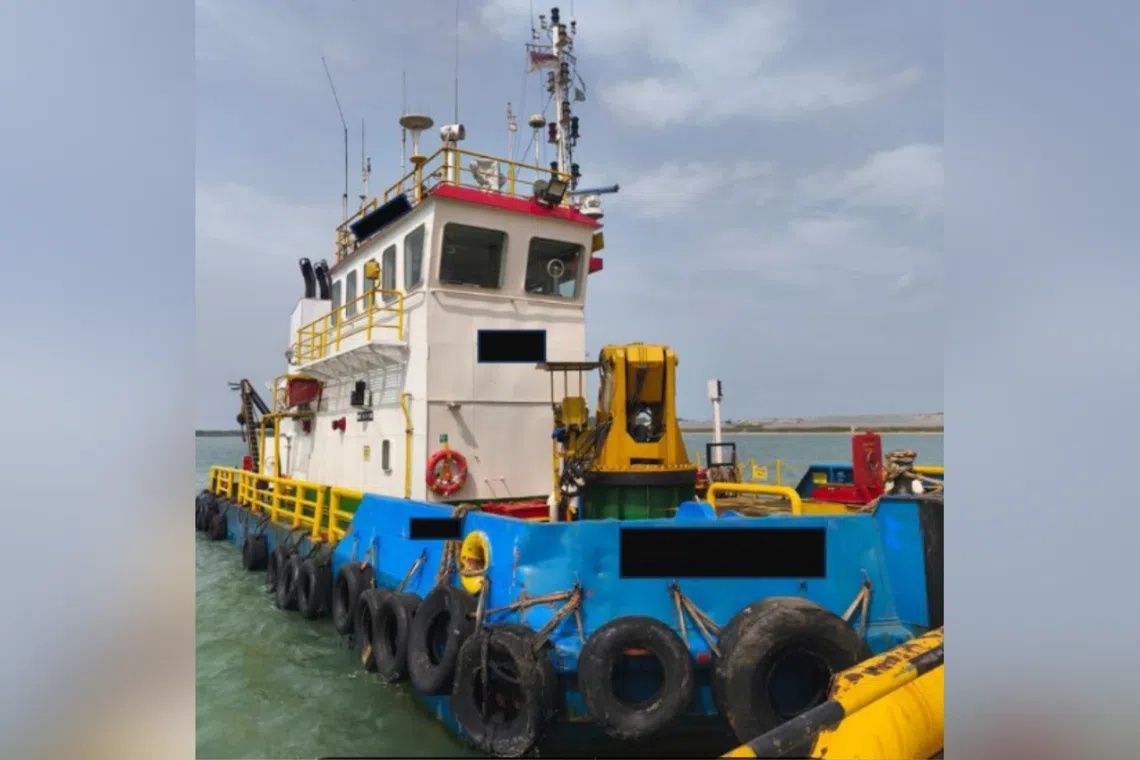
Singapore's Police Coast Guard has apprehended eight crew members from a tugboat operating in waters off Tuas following investigations into an illegal transaction of marine gas oil. The men, aged between 25 and 54, were taken into custody during a routine security check conducted at approximately 1.05am on August 13, with court appearances scheduled for August 14 to face formal charges.
According to police statements, preliminary investigations established that the detained individuals, who served as crew on the Singapore-registered vessel, had systematically misappropriated approximately S$10,570 worth of marine gas oil. The theft occurred without the knowledge or authorisation of their employer. The fuel was subsequently sold through illegal channels, with the proceeds benefiting the accused personally.
The case highlights a persistent vulnerability in Singapore's maritime sector, where fuel theft from commercial vessels represents an ongoing challenge to port security and operational integrity. Marine gas oil, a refined petroleum product widely used in shipping operations, has become a target for organised theft due to its fungible nature and relatively straightforward resale into black markets operating across Southeast Asia. The Tuas waters, strategically positioned near one of the world's busiest shipping lanes, present particular opportunities for such illicit activities.
The charges against the eight men fall under the specific category of theft by servant of property in possession of master, a provision designed to address breaches of trust within employment relationships. This statutory framework recognises the distinct nature of embezzlement and theft committed by employees against their employers. Conviction under this provision carries substantial penalties, including imprisonment for up to seven years and potential fines, underscoring the seriousness with which Singapore treats such offences.
The incident reflects broader concerns across the Southeast Asian maritime industry regarding fuel security and crew misconduct. Shipping companies operating in regional waters have increasingly reported losses attributable to employee collusion with external parties to facilitate fuel theft. These activities divert significant resources and create security vulnerabilities that extend beyond individual operators to affect the integrity of supply chains and maritime commerce throughout the region.
Singapore's response demonstrates a comprehensive approach to maritime law enforcement. The Police Coast Guard maintains systematic patrols of territorial waters and conducts random security inspections specifically designed to detect and deter such illicit transactions. The timing of this particular operation—conducted in the early morning hours—reflects intelligence-driven enforcement strategies targeting suspected activity patterns. These operations serve both immediate deterrent purposes and contribute to establishing environmental controls that make fuel theft increasingly risky and unprofitable.
The authorities explicitly stated their commitment to preventing further maritime crime, emphasising that enforcement and security operations will intensify to combat illegal transactions of marine gas oil and related commodities. This messaging serves to communicate to both legitimate maritime operators and potential offenders that Singapore maintains vigilant oversight of its territorial waters. The transparent disclosure of investigative findings and intended prosecutions contributes to a broader deterrence strategy.
For Malaysian maritime operators and companies with vessels transiting Singapore waters, this incident carries operational significance. Fuel security protocols and crew management procedures require particular attention when vessels operate in congested international waters where opportunities for collusion with external parties increase. The case demonstrates that law enforcement agencies across the region are increasingly effective at detecting such crimes, making participation in fuel theft an increasingly risky proposition from both criminal liability and employment security perspectives.
The incident also underscores the importance of robust internal controls within shipping companies operating in Singapore and throughout Southeast Asia. Inventory management systems, regular audits of fuel quantities, and established reporting mechanisms for crew concerns can substantially reduce vulnerability to internal theft. Companies implementing transparent fuel accounting procedures and maintaining clear chains of custody documentation have proven more effective at preventing such losses while simultaneously enhancing operational efficiency.
Regional maritime authorities continue developing enhanced coordination mechanisms to address fuel theft and related maritime crimes that frequently involve transnational criminal networks. The sophistication of modern fuel theft operations often extends beyond individual vessels to encompass organised networks spanning multiple jurisdictions. Singapore's proactive enforcement approach contributes to a broader regional security environment that discourages participation in maritime crime while supporting legitimate commercial shipping operations.
The August 14 court appearance will establish the formal legal proceedings, with outcomes likely to influence industry practices and crew conduct protocols across the region. Successful prosecution sends clear signals regarding the consequences of maritime fuel theft, potentially reducing the frequency of such incidents through both specific and general deterrence mechanisms. The case reinforces that Singapore maintains stringent standards for maritime security and actively prosecutes violations, characteristics that underpin the jurisdiction's reputation as a secure and well-regulated maritime hub.

