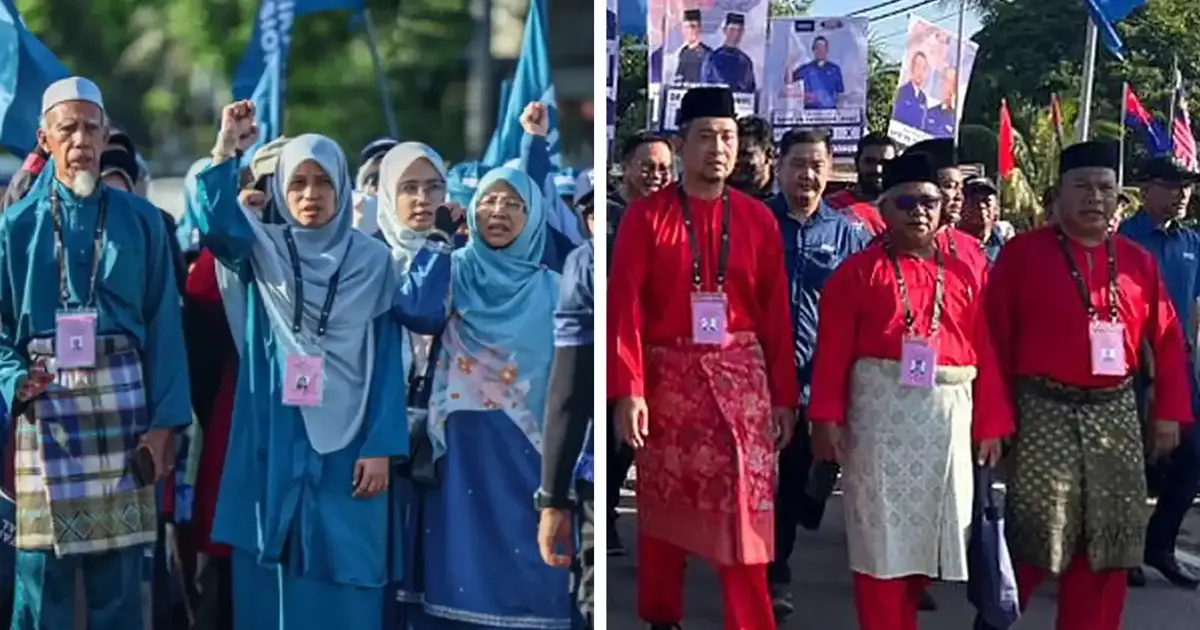
The apparent fracture within Perikatan Nasional's campaign machinery poses a significant challenge to the coalition's electoral prospects in the upcoming Johor election, with political observers warning that divided messaging from its two principal parties may prove detrimental to voter confidence in the alliance. When component parties in any coalition run separate campaign initiatives rather than presenting a unified front, the inconsistencies that emerge can create confusion among the electorate and raise questions about the cohesion of the governing alliance itself.
Analysts highlight that voter behaviour is heavily influenced by perceptions of internal stability within political coalitions. When PAS and Bersatu pursue divergent campaign strategies or communicate conflicting policy positions, the electorate develops legitimate concerns about whether these parties can effectively govern together. This fragmentation inadvertently signals to voters that the partnership may be merely transactional rather than built on shared principles, thereby undermining the trust that citizens place in coalition governments to function smoothly and deliver coordinated policy outcomes.
The Johor election carries particular significance given the state's status as a major economic and political hub within Malaysia. As one of the nation's largest and most populous states, results here often influence national political dynamics and signal broader trends in voter sentiment. A weak performance by Perikatan Nasional in this battleground could therefore have ramifications that extend well beyond Johor's borders, potentially affecting the coalition's standing in future national electoral contests and bye-elections elsewhere in the country.
Historically, Malaysian voters have penalised coalitions perceived as internally divided or lacking genuine unity of purpose. The electorate tends to reward coalitions that demonstrate clear, consistent messaging and appear genuinely committed to collaborative governance. Conversely, public campaigns marked by separate component parties emphasising their individual identities at the expense of coalition cohesion often result in electoral losses. This dynamic presents a considerable challenge for Perikatan Nasional, which must balance the legitimate organisational interests of its member parties with the practical necessity of presenting itself as a unified political force.
The separation between PAS and Bersatu's campaign efforts may also create opportunities for their political opponents to exploit perceived weaknesses. Other coalitions contesting the Johor election can point to Perikatan's internal divisions as evidence that the ruling alliance lacks the institutional maturity or mutual commitment necessary to govern effectively. Opposition parties typically amplify such narratives, arguing that voters cannot trust a coalition whose members appear unwilling to campaign jointly or present harmonised positions on key policy matters.
PAS and Bersatu both bring significant electoral constituencies to Perikatan Nasional, and each party has legitimate reasons for maintaining distinct organisational identities and campaign machinery. However, the challenge lies in maintaining these separate structures while ensuring that public-facing campaign communications remain aligned and mutually reinforcing. A coalition can accommodate internal diversity of party structures while still projecting unified political messaging, but this requires discipline, clear coordination mechanisms, and genuine commitment from senior leadership across all component parties.
The credibility question extends beyond campaign messaging to broader concerns about policy implementation. Voters reasonably wonder whether a coalition that cannot coordinate its election campaign will be able to coordinate governance decisions once in office. Issues such as budget allocation, regulatory priorities, and legislative initiatives could become flashpoints if the underlying coalition remains fractured. This perception can influence voter calculations about whether to entrust power to a particular coalition, regardless of individual party performance.
For Perikatan Nasional to mitigate these risks in the Johor campaign, party leaders must actively demonstrate coordination and unity across public-facing activities. This does not necessarily mean eliminating all distinct party campaign elements, but rather ensuring that these elements operate within an overarching coordinated strategy. Messages should be consistent, leaders should appear together publicly, and policy positions should be clearly aligned. The absence of these coordinating mechanisms sends precisely the wrong signal to an electorate already evaluating whether Perikatan represents a stable governing option.
The timing of the Johor election adds another layer of complexity. Electoral contests held during periods when coalitions appear visibly divided tend to produce more volatile results, with voters more likely to swing toward alternatives they perceive as more stable. This unpredictability makes campaign planning difficult and can amplify the impact of relatively minor gaffes or missteps. A unified coalition can weather campaign difficulties more effectively because voters grant it the benefit of doubt regarding its capacity to govern; a fractured coalition receives no such margin for error.
Looking forward, the outcome of the Johor election will likely influence how Perikatan Nasional approaches coalition management more broadly. Success despite internal divisions might suggest that voters prioritise other factors, while failure could prompt serious reconsideration of the coalition's structural arrangements. Regional political dynamics in Southeast Asia also suggest that voters across the broader region increasingly expect coalition partners to demonstrate visible unity and coordinated policy direction, making the stakes in this election particularly high for Perikatan Nasional's future viability as a governing alliance.

