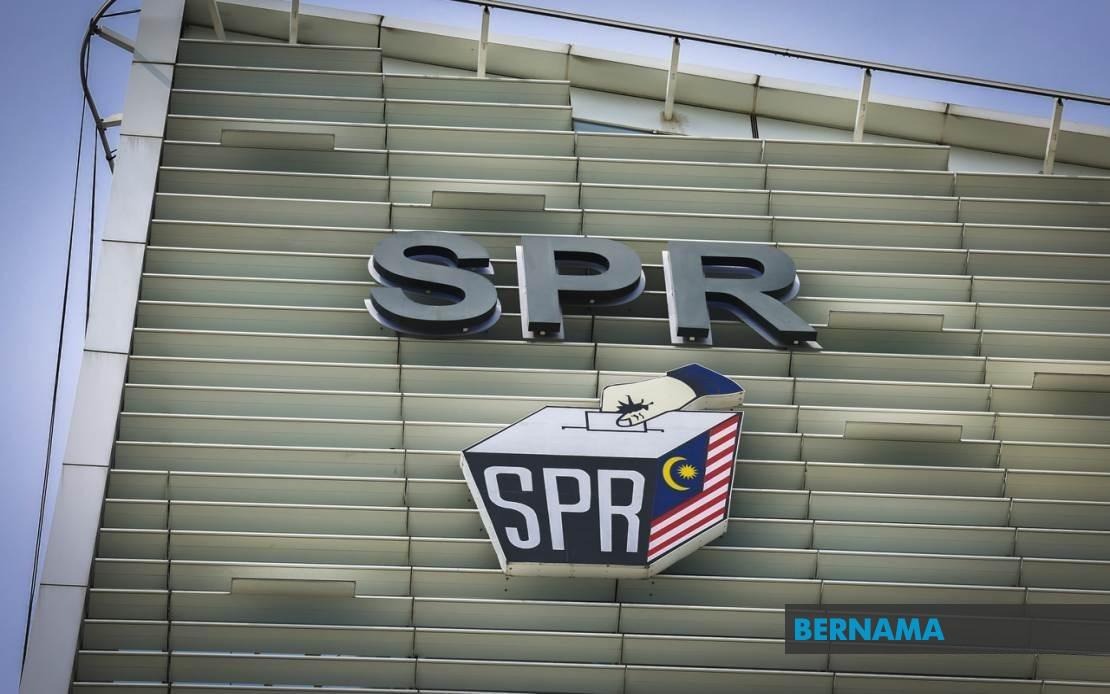
The Election Commission has commenced distributing postal ballot papers ahead of the 16th Negeri Sembilan state election, issuing a total of 13,263 votes across multiple categories of eligible electors. The distribution took place in Seremban under established postal voting regulations, marking a routine yet crucial phase in Malaysia's electoral preparations. According to Datuk Khairul Shahril Idrus, the EC's secretary, the process adheres strictly to Regulation 3 of the Elections (Postal Voting) Regulations 2003, ensuring consistency with Malaysia's postal voting framework that accommodates voters unable to cast ballots at polling stations.
The vast majority of distributed postal votes—numbering 12,669—were issued under Form 1A, a category encompassing essential personnel who typically face operational constraints on election day. This includes election officials and EC members overseeing the poll's administration, police personnel maintaining security at polling centres, military officers involved in electoral logistics, and accredited media practitioners covering the election. The EC's decision to facilitate voting for these groups reflects recognition that their professional duties during an election mean they cannot access regular polling venues, yet their participation in the democratic process remains fundamental.
Beyond domestic personnel, the EC extended postal voting to diaspora communities and specialist government employees. Precisely 343 postal ballots went to Malaysian citizens currently residing overseas, registered under Form 1B, reflecting the commission's commitment to maintaining electoral participation among citizens abroad. An additional 251 votes were distributed under Form 1C to officers employed by 11 government agencies in the security and health sectors, acknowledging their critical roles in maintaining public safety and welfare during the election period. This multi-category approach demonstrates how modern electoral systems must accommodate diverse voter circumstances while maintaining procedural integrity.
A defining feature of Malaysia's postal voting system is transparency in its administration. The EC ensured that representatives from every contesting political party and independent candidates were present during the ballot paper distribution, providing oversight and accountability. This procedural safeguard addresses potential concerns about electoral fairness and allows candidates to monitor proceedings directly, reinforcing public confidence in the postal voting mechanism's impartiality. Such transparency mechanisms are essential in Malaysia's competitive political environment, where electoral integrity directly influences democratic legitimacy.
The EC has issued detailed guidance to all postal voters regarding their obligations and responsibilities. Recipients must complete their ballot papers and the Identity Declaration Form meticulously, ensuring all required information is accurate and fully provided. These forms represent the documentary trail underpinning postal voting's credibility, allowing election officials to verify voter authenticity and prevent fraud. The emphasis on accuracy reflects lessons learned from electoral systems globally, where incomplete or erroneous forms have occasionally led to vote invalidation and disputed results.
Timing represents another critical element of the postal voting process. All completed postal ballots must reach the respective returning officers before 5 pm on polling day, August 1, establishing a clear deadline that ensures votes are counted in the election. This deadline pressure means postal voters must plan ahead, particularly those whose ballots are sent by post, which can be unreliable depending on geographic location and prevailing conditions. The tight timeframe underscores why postal voting typically favours more organised voter groups with reliable access to postal services.
The EC has also emphasised the secrecy principles underlying Malaysia's electoral system, reminding postal voters not to photograph their completed ballots or share such images on social media platforms. This injunction reflects contemporary challenges in election administration, where digital technology and social media enable potential vote-selling or coercion, practices that undermine democratic principles. Maintaining ballot secrecy prevents external pressure on voters and protects the sanctity of individual electoral choice. The warning suggests the EC views digital-era threats to voting integrity as genuine concerns requiring voter awareness.
Negeri Sembilan's election involves substantial electoral participation across 36 state assembly seats, with 103 candidates contesting—a moderately competitive field suggesting contested seats and varied choice availability. Early voting is scheduled for July 28, providing additional flexibility for voters unable to participate on the main poll date. The state's electoral roll, updated as of June 4, 2026, records 889,490 registered voters, comprising 867,151 ordinary voters alongside 16,884 military personnel and spouses and 5,455 police officers registered as early voters. These figures demonstrate Negeri Sembilan's significant role in Malaysia's overall electoral landscape, with voter numbers reflecting the state's population and demographic composition.
The postal voting distribution process reveals how Malaysia's electoral machinery attempts balancing accessibility with security and transparency. By accommodating postal voting for essential personnel, overseas citizens, and security sector employees, the system recognises that rigid, single-day, single-location voting creates genuine barriers for certain groups. Yet this flexibility must not compromise electoral integrity or enable fraud. The EC's procedural requirements—party oversight, deadline enforcement, ballot secrecy, and accurate documentation—represent institutional responses to managing this tension. As Malaysia continues conducting regular elections across federal, state, and local levels, postal voting mechanisms increasingly merit scrutiny and refinement to ensure they serve democracy effectively while remaining resistant to manipulation and abuse.

