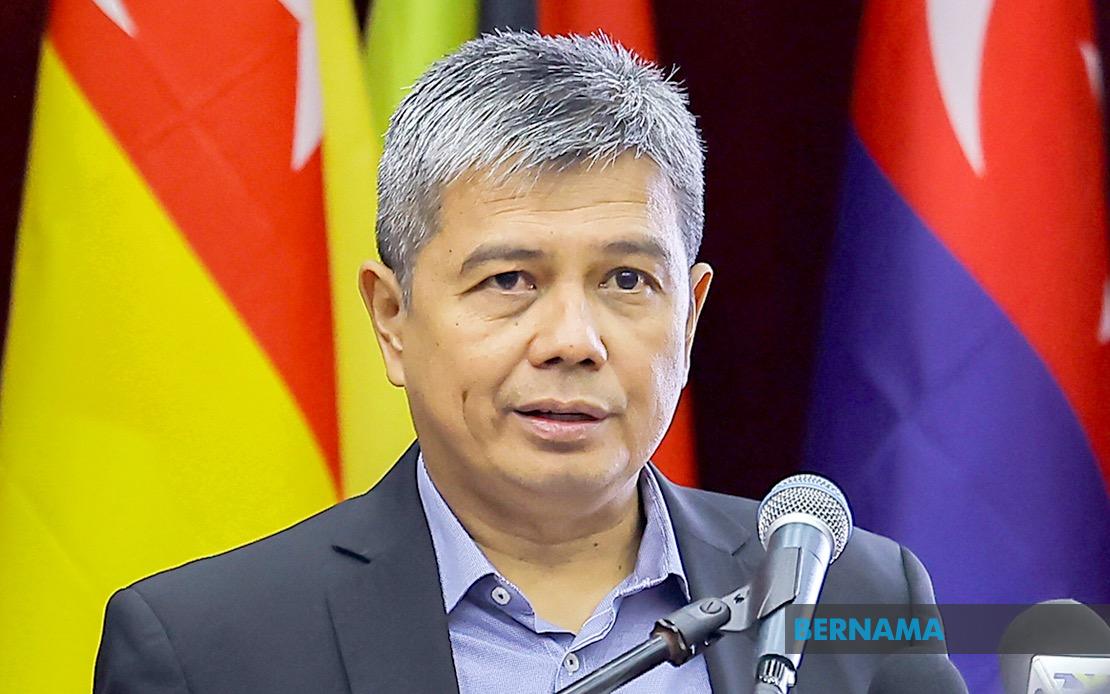
The Election Commission has issued a firm reminder to all political parties and candidates contesting in the 16th Johor State Election that the official campaign period concludes tonight at 11.59 pm, marking the end of weeks of intensive electioneering across the state. EC secretary Datuk Khairul Shahril Idrus underscored the regulatory framework that governs campaign activities, emphasising that once the clock strikes midnight, all forms of political promotion must cease entirely. This deadline represents a critical juncture in Malaysia's electoral cycle, where the transition from active campaigning to the formal voting process becomes legally binding.
The cessation of campaign activities extends far beyond traditional ground operations. Political parties are required to halt all canvassing efforts, including voter engagement outside polling centres and the distribution of campaign materials. Notably, the commission's directive encompasses digital campaigning across social media platforms including Facebook, X, Instagram, TikTok, and Threads, reflecting the evolving nature of electoral outreach in Malaysia. The inclusion of social media restrictions acknowledges how contemporary political campaigns leverage digital channels to reach voters, and the EC's enforcement of this rule demonstrates its commitment to ensuring fair play across all mediums of political communication.
Parties face potential legal consequences for breaching campaign regulations on polling day itself. The EC explicitly prohibited all contesting parties and candidates from opening, setting up, or maintaining campaign booths on election day, violations of which constitute offences under the Election Offences Act 1954. This prohibition prevents candidates from maintaining a physical presence at polling stations that might influence voters during the actual voting process, a safeguard designed to protect the integrity of the ballot and ensure that voters cast their ballots without external pressure or persuasion at the moment of decision.
Voter conduct inside polling stations is subject to strict regulations designed to maintain the sanctity of the voting process. The EC has mandated that voters are prohibited from using mobile phones within polling streams, a rule intended to prevent the recording or transmission of voting information and maintain the secrecy of the ballot. The commission will display prominent notices both outside and inside polling stations reminding voters of this prohibition. Those who carry mobile phones must deposit them in designated areas after receiving their ballot papers and retrieve them only after completing their vote, ensuring compliance with regulations that have become increasingly important as smartphone usage becomes ubiquitous across Malaysian society.
Voters have been encouraged to plan their voting times strategically rather than rushing to the polls at the last moment, as this could create unnecessary congestion at polling stations. The EC has directed voters to consult the MySPR Semak application, which provides recommended voting times based on individual voter registration details, optimising the distribution of voters throughout the polling day. Flexibility remains a cornerstone of Malaysia's voting framework, as voters retain the prerogative to cast their ballots at any point between 8 am and 6 pm, or according to the gazetted operating hours specific to their respective polling centres, accommodating the diverse schedules of working voters, students, and other eligible citizens.
Proper documentation is essential for smooth participation in the electoral process. Voters are reminded to bring their identity cards for verification purposes, as these documents form the cornerstone of voter identity confirmation at polling stations. The EC has advised voters to review their voting information beforehand through available platforms and resources, enabling them to arrive at their designated polling centres with accurate details regarding their polling location and registration status. A critical warning has been issued that voters should never surrender their identity cards to anyone other than official election officers, a safeguard against potential fraud and misuse of personal identification documents.
Employer cooperation plays a vital yet sometimes overlooked role in ensuring universal voter participation. The EC has reminded all employers that they are legally obligated under the Election Offences Act 1954 to provide reasonable time for their employees who are registered voters to cast their ballots in the Johor State Election. This requirement recognises the practical reality that many voters work during standard polling hours and would otherwise face obstacles to exercising their democratic rights. The reminder serves as both an educational notice to employers who may be unfamiliar with their obligations and a reassurance to workers that they have legal protections enabling their participation.
Systematic preparations have been undertaken to ensure the logistics of voting proceed without disruption. The EC conducted comprehensive inspections of all polling equipment on Thursday and Friday preceding election day, including ballot boxes, indelible ink supplies, ballot papers, and voting booths. These inspections verified that all materials were complete, functional, and in proper condition before distribution to Presiding Officers stationed at each polling stream. Such meticulous preparation reflects the institutional learning accumulated across multiple electoral cycles and the EC's commitment to preventing technical failures or material shortages that could compromise the voting process or create frustration among voters attempting to fulfil their civic duties.
The accumulation of these regulations and preparations creates a comprehensive framework designed to protect electoral integrity whilst facilitating broad voter participation. For Malaysian voters in Johor, tomorrow's election represents the culmination of extended campaigning and represents an opportunity to shape the state's political direction for the coming term. The EC's multifaceted reminders underscore that successful elections depend not merely on institutional readiness but also on voter compliance with regulations and understanding of procedures. As the campaign period concludes at midnight tonight, the focus shifts decisively to the mechanics of voting itself, where procedural compliance and voter conscientiousness become paramount to ensuring that the democratic will of Johor's electorate is accurately captured and reflected.

