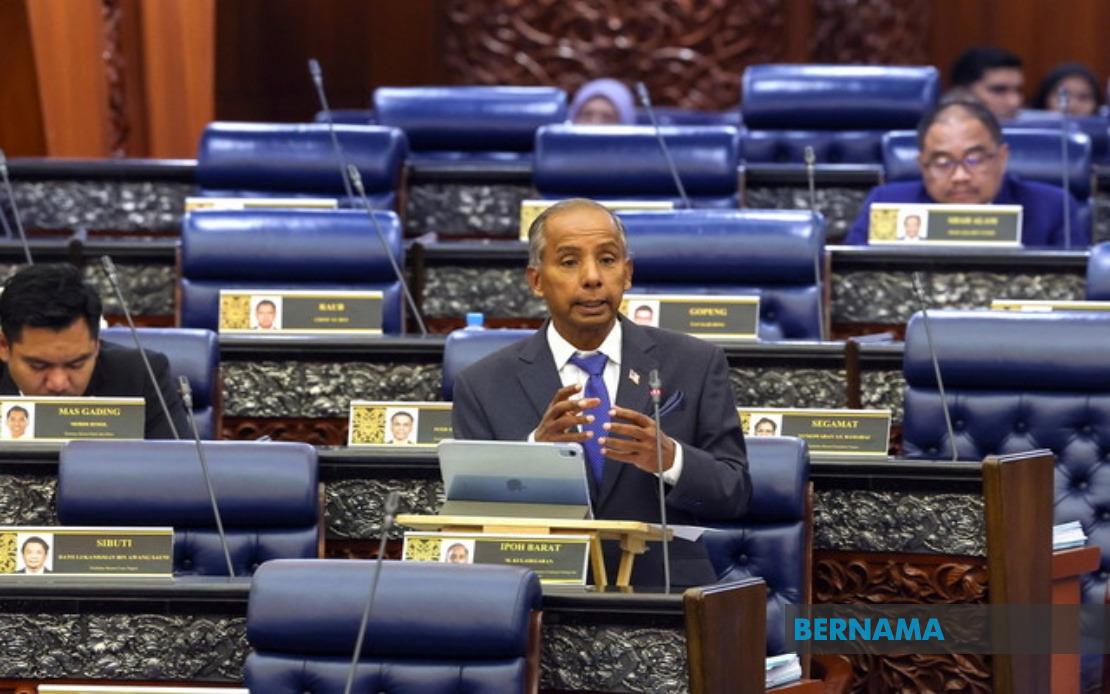
Malaysia's Election Commission has embarked on a comprehensive examination of a proposal that could fundamentally reshape how citizens exercise their voting rights, particularly those unable to cast ballots in person on election day. The study, which encompasses voters across Peninsular Malaysia, Sabah and Sarawak, represents a significant shift in electoral modernisation efforts as the country grapples with the practical challenges of ensuring broad participation in democratic processes. Deputy Minister M. Kulasegaran, speaking in his capacity overseeing law and institutional reform within the Prime Minister's Department, indicated that the commission is taking the initiative seriously enough to warrant extensive stakeholder engagement before any decision is finalised.
The timeline for this examination is deliberately measured. Kulasegaran stated that the study is expected to reach completion sometime in 2025, a timeframe that reflects the complexity of rolling out a new voting mechanism across three distinct geographical regions with different administrative frameworks and logistical considerations. The extended timeline also acknowledges the political sensitivity of electoral procedures in Malaysia, where any changes to voting mechanisms must command broad acceptance and credibility among competing political factions. This gradualist approach stands in contrast to urgent calls from lawmakers like Isnaraissah Munirah Majilis of WARISAN, whose constituency of Kota Belud highlights the particular challenges faced by voters in more remote areas.
The need for comprehensive consultation with all political parties underscores a fundamental principle in Malaysian electoral reform: legitimacy requires consensus across the political spectrum. The government's position, as articulated by Kulasegaran, places emphasis on building this consensus rather than imposing unilateral changes. Political parties across the ideological spectrum have varying interests in postal voting mechanisms—some view such systems as potential vulnerabilities to fraud, while others, particularly those representing geographically dispersed constituencies, see them as essential democratic infrastructure. The deliberative process therefore serves the dual purpose of addressing technical and operational feasibility while simultaneously managing political concerns about electoral integrity.
Beyond postal voting mechanics, the parliamentary discussion also surfaced a separate but related question about the structural independence of the Election Commission itself. Kulasegaran indicated openness to a proposal that would relocate the commission's oversight from the Prime Minister's Department to Parliament, a change that would substantively alter the institutional relationships shaping electoral administration in Malaysia. This suggestion reflects broader concerns within and outside government about ensuring that electoral bodies maintain perceived independence from executive control. The deputy minister's acknowledgment that this merits serious consideration represents a potential concession to those who argue that electoral oversight should maintain greater institutional separation from the executive branch.
The mechanism for transferring such oversight to Parliament would require careful legislative design, as Malaysia's parliamentary system operates differently from some other Commonwealth democracies. Any such restructuring would need to address questions about parliamentary accountability, funding arrangements, and the relationship between a parliament-based oversight body and the executive administration responsible for the logistical conduct of elections. These institutional questions, while less visible to voters than questions about voting procedures themselves, ultimately determine whether electoral reforms command public confidence.
On a more immediate enforcement matter, the government addressed concerns about lax implementation of restrictions on mobile telephone use at polling stations. Election regulations prohibit such devices within the polling stream to prevent unauthorized documentation or interference with the voting process. Kulasegaran stated that the Election Commission judges existing control mechanisms adequate and does not contemplate amending procedures or introducing mobile phone restrictions as a specific offence category under the Election Offences Act 1954. This position suggests confidence in existing regulatory frameworks, though it may disappoint those who view stricter penalties as necessary for effective enforcement.
The deliberate separation of these three issues—postal voting implementation, commission independence, and polling place mobile phone enforcement—illustrates the multifaceted nature of electoral modernisation in Malaysia. Each touches on different aspects of electoral integrity, accessibility, and institutional design. For voters in remote areas of Sabah and Sarawak particularly, postal voting could address longstanding practical barriers to participation, while the independence question speaks to broader questions about trust in institutions that manage democratic processes.
The Malaysian experience with electoral reform reflects patterns visible across Southeast Asia, where growing urbanisation and geographical dispersion create pressure for expanded voting options while political contexts constrain the pace of institutional change. Indonesia and the Philippines have grappled with similar questions about postal and advance voting mechanisms, finding that technical solutions must navigate political acceptability thresholds. Malaysia's measured approach, while potentially frustrating to reform advocates, acknowledges the reality that electoral procedures ultimately depend on acceptance by competing political actors.
For citizens in affected constituencies, the timeline extending into 2025 means that significant changes to voting procedures remain some distance away. The current electoral system, whatever its limitations in accommodating geographically dispersed voters, will continue governing at least two more general elections before any postal voting framework might take effect. This extended transition period provides opportunity for public education and refinement of proposals, but also represents continued reliance on existing arrangements that critics argue insufficiently serve all segments of the electorate. The Election Commission's study will therefore assume considerable importance in determining whether Malaysia's electoral system can evolve to meet contemporary demographic and geographic realities while preserving institutional confidence in the integrity of democratic processes.

