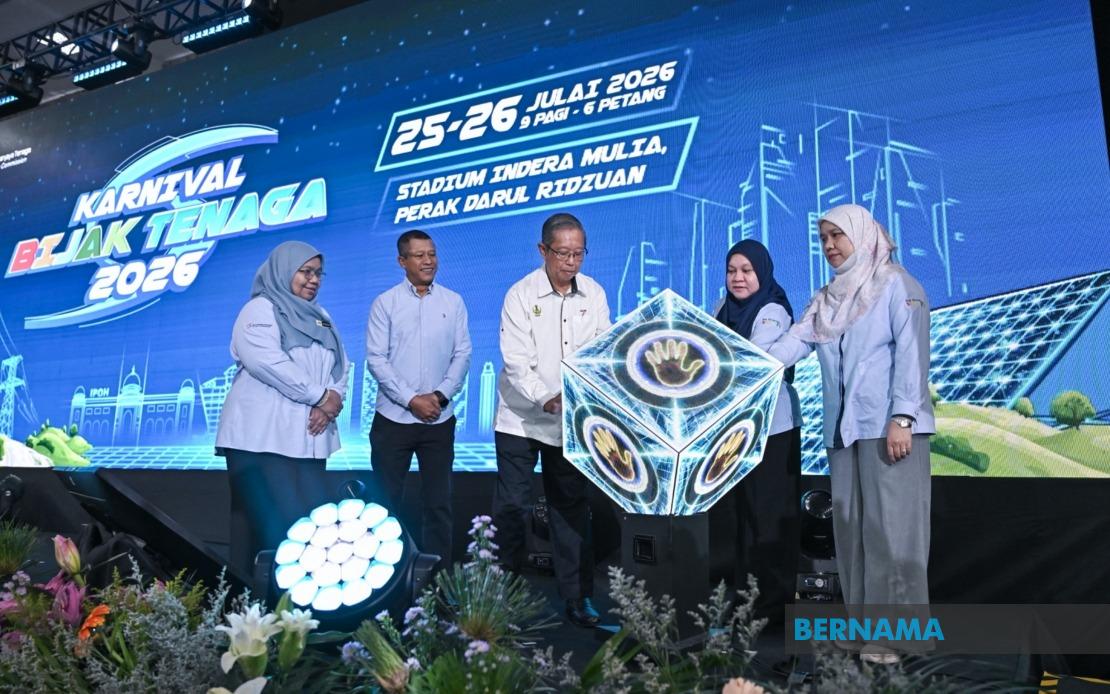
The Energy Commission has intensified its outreach efforts through the Energy Smart Carnival 2026, a two-day public engagement initiative held at Stadium Indera Mulia in Ipoh. The event represents a strategic attempt to bridge the gap between Malaysia's energy regulator and ordinary citizens, offering an accessible platform for understanding the complexities of the nation's power sector during a critical period of energy transition.
Energy Commission chairman Datuk Seri Asri Hamidon underscored the carnival's dual purpose: strengthening institutional transparency while democratising knowledge about energy governance. By positioning the regulator as an approachable entity rather than a distant bureaucratic body, the commission aims to cultivate public trust in its oversight of electricity and piped gas supply chains. This direct engagement strategy reflects growing recognition across government agencies that sustainable energy adoption requires informed consent from consumers rather than top-down mandates alone.
The two-day carnival exceeded expectations, drawing more than 10,000 visitors from across Malaysia—double the initial projection of 5,000 attendees. The geographic diversity of participants, extending from Perak to Kuala Lumpur, Johor Bahru, and beyond, suggests a genuine appetite for energy-related information among Malaysians. This unexpected enthusiasm validates the commission's decision to pursue grassroots engagement and signals potential for expanded programming in other states.
Exhibitions and interactive demonstrations formed the carnival's educational backbone, with particular emphasis on household consumption patterns. Visitors gained practical knowledge about reducing electricity bills through behavioural changes and appliance selection, addressing immediate economic concerns that resonate across Malaysian households struggling with rising living costs. The focus on tangible, implementable solutions—rather than abstract environmental rhetoric—likely contributed to the event's broad appeal.
Energy efficiency labelling systems received prominent attention, with displays explaining the significance of 4 or 5-Star Energy Efficiency Labels and ST-SIRIM Safety Labels. For Malaysian consumers accustomed to diverse product standards, clearer labelling guidance addresses a legitimate information deficit. Many households remain unaware that premium-rated appliances can deliver substantial long-term savings despite higher upfront costs, a misconception the carnival addressed through direct comparison demonstrations.
The timing proved strategic, coinciding with the Energy Commission's Silver Jubilee celebrations while anchoring the event within Malaysia's broader energy transition framework. The government has committed to substantial renewable energy integration and climate goals, making public education increasingly vital. Citizens who understand the rationale for grid modernisation and renewable procurement policies become more receptive to associated infrastructure investments and rate adjustments.
Datak Seri Mohammad Nizar Jamaluddin's presence as Perak Infrastructure, Energy, Water and Public Transport Committee chairman reflected state-level investment in the initiative. Perak's prominence in Malaysia's hydroelectric generation and emerging solar capacity makes it a logical testing ground for national energy awareness campaigns. State-federal coordination on such initiatives strengthens policy implementation effectiveness.
The Energy Commission's Strategic Communications Section head Veliana Ruslan confirmed plans to replicate the carnival model across other Malaysian states beginning next year. This expansion strategy acknowledges that energy transition challenges vary regionally—peninsular states face different grid demands than Sabah and Sarawak, and industrial-heavy regions require distinct messaging compared to agricultural areas. A standardised but regionally adapted approach could maximise relevance while maintaining consistent core messages.
Safety protocols received dedicated carnival attention, reflecting concerns about electrical hazards in Malaysian households. Informal electrical work, aging infrastructure in older residential areas, and consumer misuse of appliances create genuine risks. By normalising safety discussions within a festive environment, the commission moves beyond compliance-focused warnings toward cultural change regarding energy safety practices.
The carnival's family-friendly positioning deserves particular note. By making energy sector careers, educational pathways, and technical concepts accessible to children and teenagers, the commission invests in long-term workforce development and generational attitude shifts. Young Malaysians exposed to energy sector opportunities early may pursue relevant vocational training or tertiary studies, addressing potential skills gaps as the sector modernises.
Beyond immediate educational outcomes, the carnival generated valuable data on public perceptions regarding energy governance, regulatory effectiveness, and policy receptiveness. Commission officials likely observed which topics generated sustained visitor engagement, which demographics engaged less actively, and which messaging approaches resonated most effectively. Such feedback informs future campaigns and regulatory communications strategies.
The overwhelming response to the inaugural carnival demonstrates that Malaysian public engagement on energy issues extends beyond environmental constituencies to encompass mainstream consumer concerns around cost, safety, and economic opportunity. This broader coalition supports more ambitious policy implementation, as demonstrated consumer interest in energy efficiency and transition pathways weakens opposition to necessary regulatory changes or rate adjustments required for renewable integration.

